
Beautiful Plants For Your Interior
Beautiful Plants For Your Interior
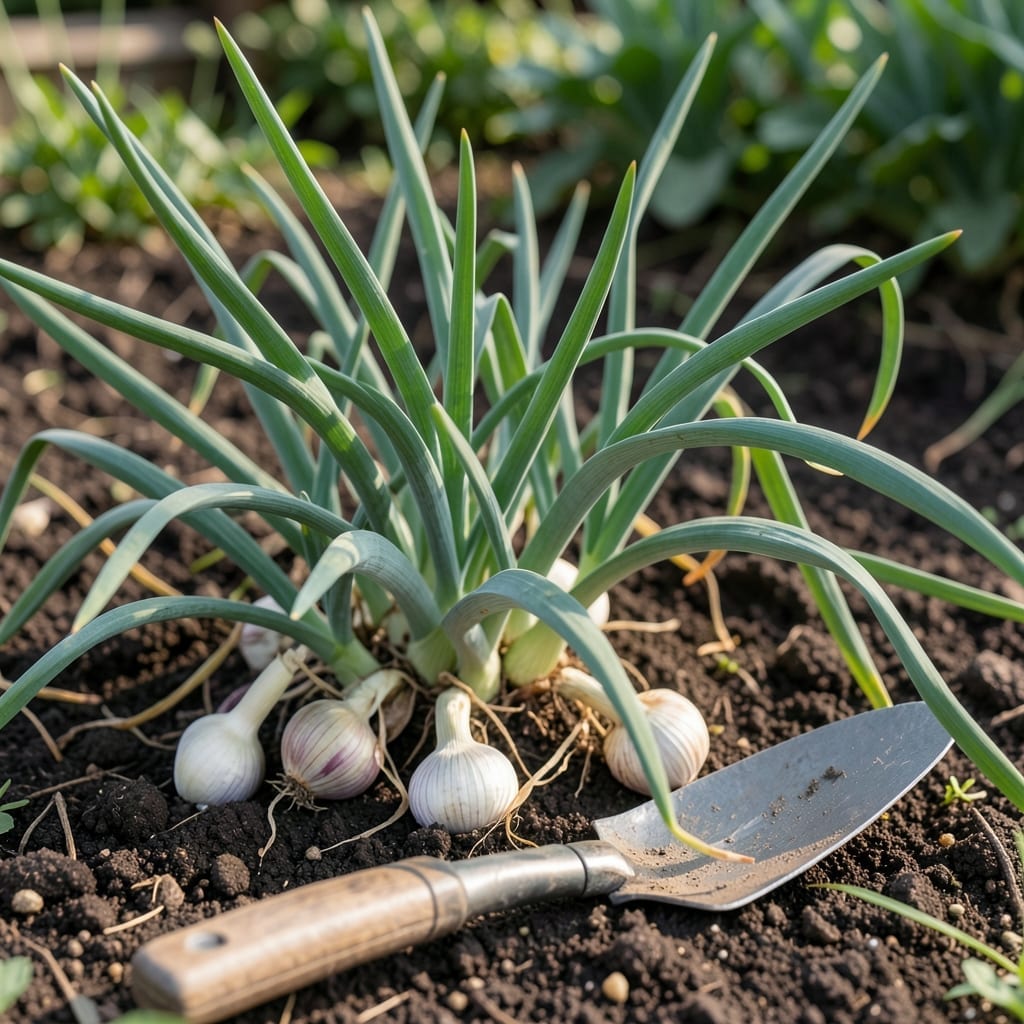
Timing is everything when planting Garlic in Minnesota’s Zone 4a climate—plant too early or too late, and you risk poor bulbs or winter die-off.
Discover the perfect fall window to ensure a bountiful harvest next summer. The key lies in getting those cloves in the ground before the first hard freeze.
I’ll walk you through the exact timing, soil prep, and care tips that make all the difference. Whether you’re a seasoned gardener or just starting out, these insights will set you up for success.
Let’s dig into how to plant Garlic the right way, right now in MN.
In Minnesota’s Zone 4, timing your garlic planting is crucial for a successful harvest. The ideal window is 4-6 weeks before the first hard frost, which typically means mid-October to early November for most of the state.
This timing allows cloves to develop roots before winter dormancy without sprouting above soil. Soil temperatures should be between 50-60°F at planting depth for optimal root growth.
| Requirement | Specification |
|---|---|
| Planting Window | Mid-October to early November |
| Soil Temperature | 50-60°F |
| Weeks Before Frost | 4-6 weeks |
| Northern MN Adjustment | Plant 1-2 weeks earlier |
| Southern MN Adjustment | Can plant up to 1 week later |
For northern Minnesota, where winters arrive earlier, I recommend planting 1-2 weeks sooner than the standard window. This gives roots extra time to establish before the ground freezes solid.
Southern Minnesota gardeners can push their planting up to a week later if needed, as they typically enjoy a slightly longer fall season before hard frosts set in.
Fall planting consistently outperforms spring planting in our climate. The cold vernization period (exposure to winter cold) is essential for bulb formation in hardneck varieties, which are most common here.
I’ve found that hardneck garlic varieties like German White or Music perform exceptionally well in Minnesota. They’re better adapted to our cold winters and produce larger, more flavorful bulbs.
Monitor your local weather forecasts as fall progresses. If an early cold snap is predicted, you can cover your planted area with straw mulch to provide extra insulation for the developing roots.
Remember that soil preparation is just as important as timing. I always amend my garlic beds with plenty of compost and ensure the soil is well-draining to prevent rot during our wet springs.
The 4-6 week pre-frost rule works because it gives cloves time to root without sprouting. If planted too early, garlic may send up green shoots that winterkill. Too late, and roots won’t establish properly. ☀️
For a successful garlic crop in Minnesota, I always start with soil preparation. Loosen the soil to 12 inches deep and mix in 2-3 inches of compost for nutrients and drainage.
Select healthy, large cloves from disease-free bulbs. I prefer hardneck varieties like German White for our climate. Break apart bulbs just before planting, keeping the papery wrappers intact.
I plant each clove 2 inches deep with the pointy end facing up. This depth protects from freeze-thaw cycles while allowing root development before winter.
Spacing is crucial—I place cloves 4-6 inches apart in rows 12 inches apart. This gives each plant enough room to develop a full-sized bulb without competition.
After planting, I apply a 4-6 inch layer of straw mulch. This insulates the soil, prevents temperature fluctuations, and retains moisture. In late fall, I add more mulch after the first hard frost.
Watering is minimal after planting—I just give a light watering to help settle the soil. Too much water can cause rot before winter. The mulch will help conserve moisture. ✂️