
Beautiful Plants For Your Interior
Beautiful Plants For Your Interior
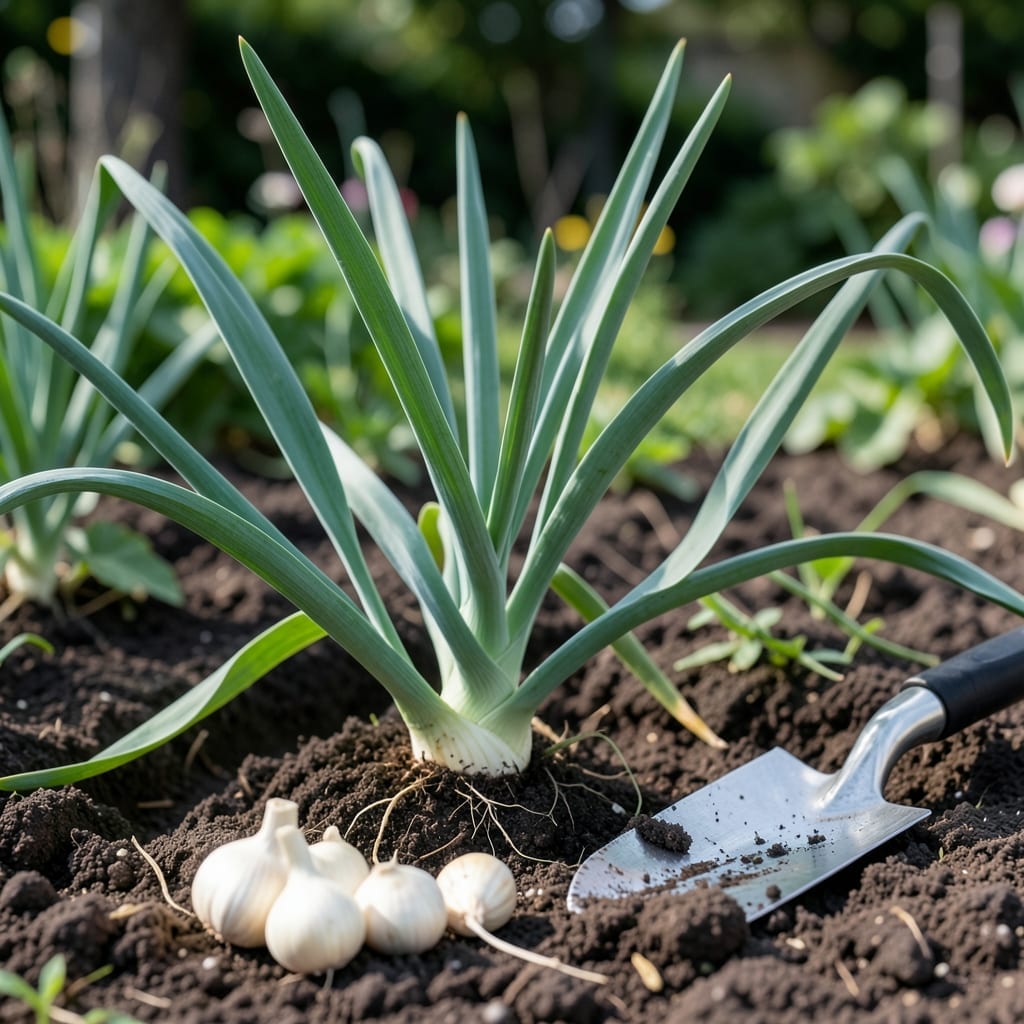
Planting Garlic 🧄 in zone 6b at the right time can make or break your harvest. Miss the window, and you risk small cloves or poor growth.
I’ve learned through experience that timing is everything when growing this flavorful crop. The fall planting season offers the perfect opportunity to establish strong roots before winter sets in.
Whether you’re a seasoned gardener or just starting out, understanding the optimal schedule for your area is the key to success. Let me walk you through what works best.
Discover how to plant at the perfect moment to ensure robust, flavorful bulbs next summer. It’s simpler than you might think.
In zone 6b, the best time to plant garlic is in the fall, ideally 4-6 weeks before your first hard frost. This timing allows roots to establish before winter dormancy while avoiding premature top growth.
For most of zone 6b, this means planting between mid-October and early November. The first frost typically arrives around October 15, so aim to get cloves in the ground by early October for best results.
| Planting Factor | Zone 6b Specification |
|---|---|
| Best Planting Months | October – November |
| Timing Relative to Frost | 4-6 weeks before first frost |
| Hardneck Varieties | Plant early October |
| Softneck Varieties | Plant late October |
| Soil Temperature | Above 50°F at planting |
The soil temperature should be above 50°F when you plant. This ensures cloves will root quickly but won’t sprout tops before winter. Use a soil thermometer to check conditions if you’re unsure.
Hardneck varieties like ‘German White’ or ‘Rocambole’ should go in earlier in October. They need more time to develop their characteristic scapes. Softneck varieties can be planted a bit later, as they’re more forgiving.
I’ve found that planting too early can lead to premature sprouting, while planting too late may prevent proper root establishment. The sweet spot is when nighttime temperatures consistently drop into the 50s°F.
Remember that microclimates in your garden can affect timing. South-facing slopes or urban areas may stay warmer longer, allowing for slightly later planting. Observe your specific garden conditions.
For the best results, prepare your planting bed in advance. Work in plenty of compost and ensure good drainage. Garlic hates wet feet, so raised beds can be ideal in zone 6b’s sometimes wet fall weather.
After planting, apply a 4-6 inch layer of mulch like straw or leaves. This protects the cloves from temperature fluctuations and helps maintain consistent soil moisture through winter.
By following these timing guidelines, you’ll give your garlic the best chance to develop large, healthy bulbs for next summer’s harvest 🌱
I always start by preparing the soil a few weeks before planting. Work in 2-3 inches of compost and ensure good drainage. Garlic thrives in loose, fertile soil with a pH of 6.0-7.0. Test your soil if unsure.
Select healthy seed garlic from a reputable source. Avoid grocery store bulbs, as they may be treated to prevent sprouting. Break bulbs into individual cloves, keeping the papery skin intact. Larger cloves produce bigger bulbs.
After planting, I water lightly to help roots start growing. Too much water can cause rot, so just moisten the soil. The cloves will develop roots through fall and early winter before dormancy.
Mulching is crucial in zone 6b. I use straw because it insulates well and breaks down slowly. This protects cloves from freeze-thaw cycles that can heave them out of the ground.
In spring, remove some mulch as temperatures rise. This allows new shoots to emerge easily. Keep the soil consistently moist but not waterlogged during the growing season.
By following these steps, you’ll establish a strong foundation. Come summer, you’ll be rewarded with plump, flavorful bulbs ready for harvest 🌱