
Beautiful Plants For Your Interior
Beautiful Plants For Your Interior
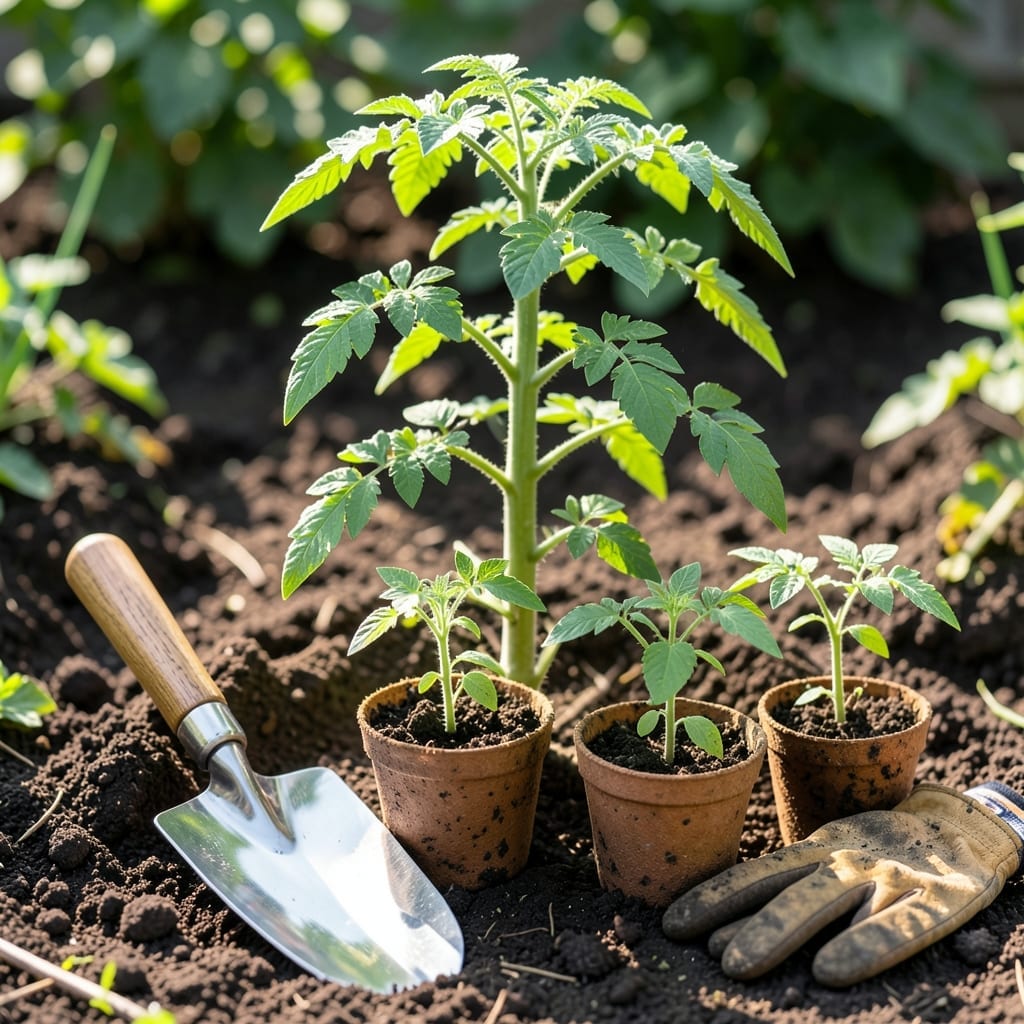
Timing is everything when it comes to gardening in Zone 7, where the last frost date and seasonal shifts dictate your planting success. Get it right, and you’ll enjoy a thriving 🌱 General Garden with bountiful harvests.
I’ve learned through trial and error that planting too early or too late can make or break your growing season. The good news? With the right schedule, you can maximize your garden’s potential.
From frost-sensitive flowers to hardy vegetables, knowing the optimal windows is the key to success. I’ll walk you through the best times to plant so you can avoid common pitfalls.
Discover how to align your planting with Zone 7’s unique climate and watch your General Garden flourish like never before.
In USDA Zone 7, your planting schedule revolves around the last frost date of April 15 and the first frost around November 15. This gives you a 214-day growing season to work with.
I always start cool-season crops like lettuce and peas in early March, while warm-season plants such as tomatoes and peppers go in after the last frost.
| Season | Best Crops | Key Benefits |
|---|---|---|
| Spring | Tomatoes, Peppers, Beans | Long growing season |
| Fall | Kale, Carrots, Spinach | Fewer pests, milder temps |
I always remind gardeners that spring planting requires more attention to soil temperature. Most warm-season plants need soil above 60°F to germinate properly. A soil thermometer is a handy tool here. 🌡️
For fall planting, timing is everything. Start cool-season crops about 6-8 weeks before the first expected frost. This gives them enough time to mature before cold weather sets in. ⏰
One advantage of fall gardening in Zone 7 is reduced watering needs. Cooler temps mean less evaporation, so your plants stay hydrated with less effort. Plus, weeds are far less aggressive. 💧
Don’t overlook succession planting in either season. After harvesting early crops like lettuce or radishes, I replant quickly to maximize my garden’s productivity throughout the year. 🌿