
Beautiful Plants For Your Interior
Beautiful Plants For Your Interior
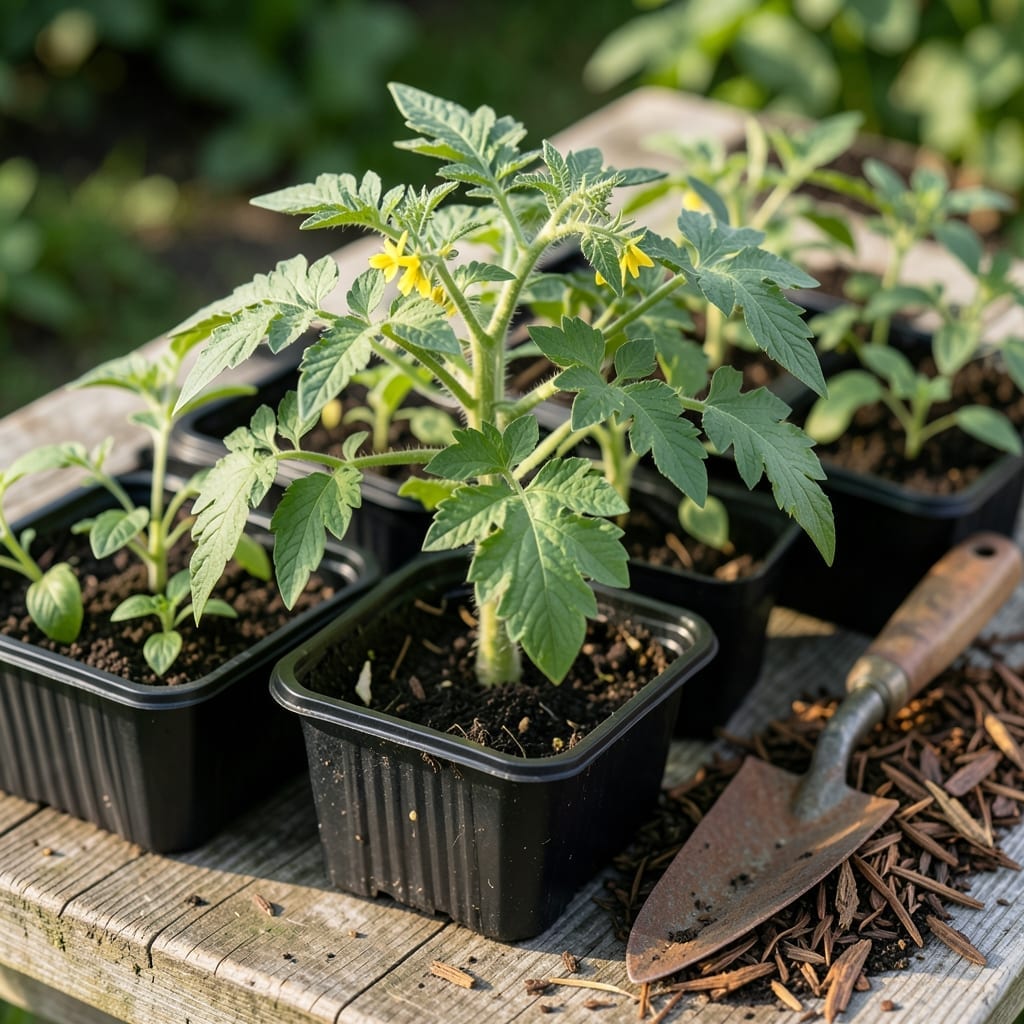
Timing your garden planting in West Virginia can mean the difference between a thriving harvest and a disappointing season. I learned this the hard way my first year when eager planting led to frost-damaged seedlings.
Knowing your local frost dates and hardiness zone is essential for success with your 🌱 General Garden. In our 6a-7a zone, that last spring frost typically hits around mid-May.
Whether you’re planting cool-season crops or waiting for warmer soil, getting the timing right is the key. I’ll share the exact windows that work best for our West Virginia climate.
Discover how to align your planting schedule with nature’s rhythm for a garden that flourishes rather than struggles through the season.
West Virginia spans USDA zones 4 through 7, which means planting times vary significantly. Higher elevations in the eastern mountains tend to have shorter growing seasons than the warmer river valleys.
Your last frost date is critical for timing. In zone 6a, it’s typically around May 15, while zone 7a might see it as early as April 15. Always check your local conditions.
| Zone | Region | Last Frost Date | First Frost Date | Frost-Free Days |
|---|---|---|---|---|
| 4 | High Elevations | May 30 | September 20 | 140 |
| 5 | Northern WV | May 15 | October 10 | 160 |
| 6a-6b | Central WV | May 10 | October 15 | 170 |
| 7a | Southern/Valleys | April 15 | October 25 | 180 |
Soil temperature matters just as much as air temperature. For cool-season crops like lettuce and peas, soil should be at least 40°F. Warm-season plants like tomatoes need 60°F or warmer.
I always recommend using a soil thermometer to check conditions. It’s a small investment that can save your seeds from rotting in cold, wet soil.
Microclimates can create pockets of warmth or cold spots in your yard. South-facing slopes and areas near buildings or paved surfaces often warm up faster in spring.
If you’re in a borderline zone, like between 6a and 6b, pay close attention to local weather forecasts. A late frost can devastate tender seedlings overnight.
For perennials and shrubs, planting in early fall gives roots time to establish before winter. This is especially true in warmer zones like 7a.
Remember, these dates are averages. West Virginia’s mountainous terrain creates unique weather patterns, so always observe your specific location.
I’ve found that keeping a garden journal helps track your local conditions year to year. Note when you plant, when frosts occur, and how your plants respond.
🌱In West Virginia, timing is everything for a successful garden. The state’s hardiness zones (4-7) mean planting dates vary, but most regions follow a spring and fall schedule for cool-season crops. 🌱
For warm-season crops like tomatoes and peppers, wait until after the last frost—typically mid-May—when soil temps hit 60°F. Early starters can begin indoor seedlings 6-8 weeks beforehand.
| Crop Type | Planting Time | Key Notes |
|---|---|---|
| Cool-Season | March-April or August-Sept | Lettuce, peas, spinach |
| Warm-Season | May-June | Tomatoes, beans, corn |
| Perennials | Spring/Fall | Asparagus, rhubarb |
For fall gardens, plant cool-season crops in late summer (August) for a second harvest. Soil temperature matters—use a thermometer to check readiness before sowing. 🌿
Direct sowing works best for hardy seeds like radishes and carrots, while transplants (e.g., tomatoes) need a head start indoors. Always harden off seedlings before moving them outside.
In higher elevations (Zone 4-5), frost lingers longer—adjust planting 1-2 weeks later than lowland areas. Row covers can protect early plantings from late frosts. ✂️
Finally, local microclimates matter. South-facing slopes warm faster, while valleys stay cooler. Observe your garden’s unique conditions and adjust timelines accordingly. 🌻