
Beautiful Plants For Your Interior
Beautiful Plants For Your Interior
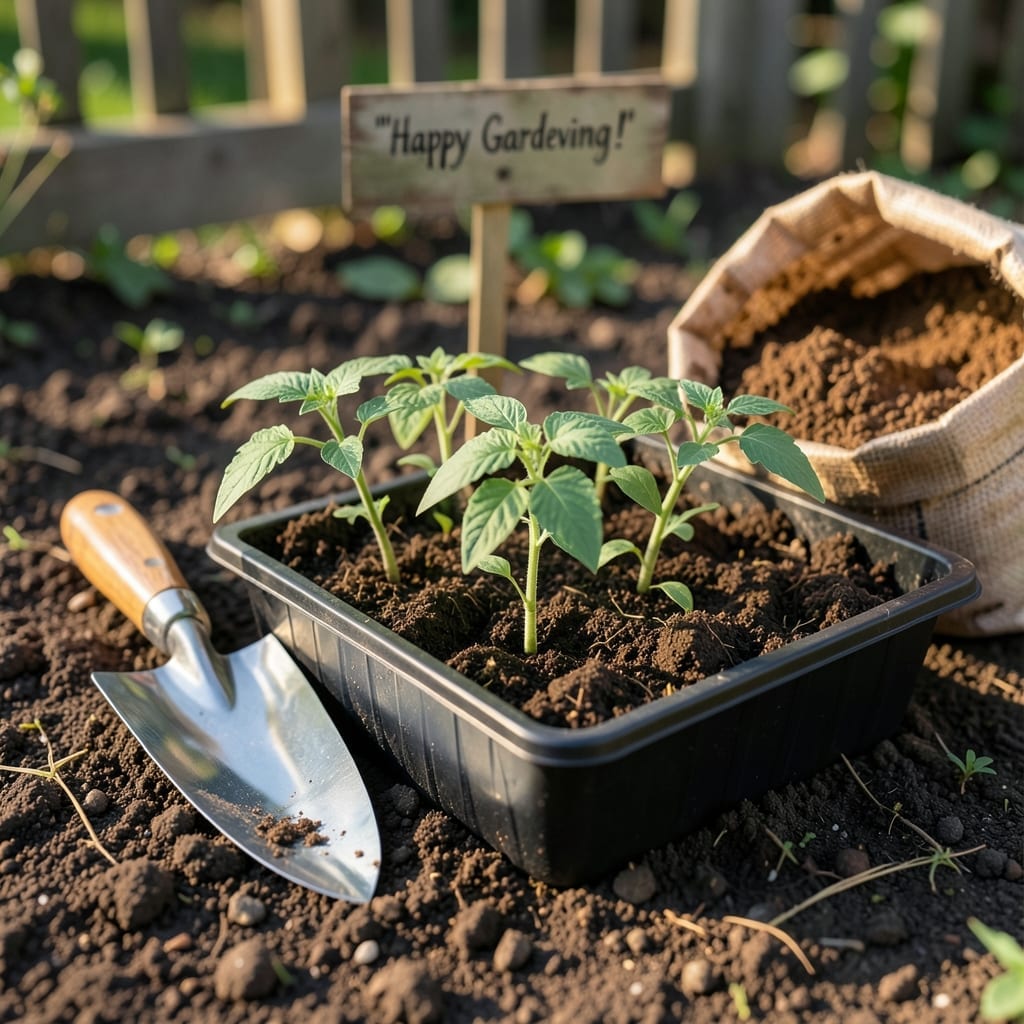
Timing your garden planting in Wisconsin can make or break your growing season. With the state spanning 4a-5b zones, knowing the exact window for your area ensures healthy plants and bountiful harvests.
I’ve seen too many gardeners jump the gun only to lose their General Garden to late frosts. The difference between success and disappointment often comes down to a few well-timed weeks.
Whether you’re planting cool-season crops in early spring or warm-season varieties after the last frost, precision matters. Let me walk you through the most reliable timing strategies.
From soil temperature to regional variations, you’ll discover how to align your planting schedule with Wisconsin’s unique climate for the best results.
Wisconsin’s USDA hardiness zones range from 3 in the north to 5b in the south, which means frost dates vary significantly across the state. This affects when you can safely start seeds or transplant seedlings without risking frost damage.
In northern regions like Green Bay or Superior, the last frost date often falls around May 15 to May 30. Central areas, including Madison, typically see their last frost by May 10, while southern cities like Milwaukee may have frost-free soil as early as April 20. 🌱
| Region | USDA Zone | Last Frost Date | First Frost Date |
|---|---|---|---|
| Northern WI | 3-4a | May 15-30 | Sept 15-30 |
| Central WI | 4b-5a | May 1-10 | Oct 1-15 |
| Southern WI | 5a-5b | Apr 20-30 | Oct 15-30 |
| Lake Michigan Shore | 5b | Apr 10-20 | Oct 25-Nov 5 |
These frost date ranges are averages, so I always recommend checking your local weather for the most accurate timing. Microclimates, like those near Lake Michigan, can extend the growing season by 1-2 weeks due to the lake’s moderating effect.
For cool-season crops like peas and spinach, you can plant 2-4 weeks before the last frost date. These hardy plants tolerate light frosts and even thrive in cooler soil. I start these as soon as the ground is workable in early spring. ✂️
Warm-season vegetables, such as tomatoes and peppers, require both warmer air and soil temperatures. I wait until soil reaches 60°F before planting these. In northern Wisconsin, this might not happen until early June, while southern gardeners can often plant by mid-May.
Soil temperature is just as important as air temperature. I use a soil thermometer to check conditions at 4-inch depth. For most warm-season crops, 60-70°F is ideal. If you’re eager to start, black plastic mulch can help warm the soil faster.
Don’t forget about fall planting! Many cool-season crops can be planted again in late summer for a second harvest. In southern Wisconsin, I plant kale and radishes in late August for a fall crop. The key is counting backward from your first frost date.
Wisconsin’s growing season length varies from about 90 days in the north to 180 days in the south. This affects which crop varieties you can grow. I always choose short-season varieties for northern gardens, while southern gardeners have more flexibility. 🌿
Remember that these dates are guidelines, not rules. Weather patterns can shift from year to year. I’ve had years where a late May frost damaged my tomato plants, despite the average last frost date having passed. Always be prepared to protect tender plants if cold weather threatens.
Wisconsin’s growing season is a tale of two halves—cool and warm. I start my peas and spinach in early April, as soon as the soil can be worked. These cold-hardy crops thrive in the crisp spring air.
By mid-May, after the last frost, I switch to warm-season plants like tomatoes and peppers. The soil must hit 60°F for these to take off. Timing is everything in our zone 4-5 climate.
For flowers, I plant pansies and snapdragons in early spring. These beauties can handle a light frost. Marigolds and zinnias go in after the soil warms up in late May.
Herbs like cilantro and dill prefer the cooler weather of spring and fall. I plant basil in late May when the nights are consistently warm. It’s a game-changer for my summer garden.
Succession planting is key in Wisconsin. I plant a new batch of bush beans every two weeks from June to July. This ensures a continuous harvest and maximizes my garden space.
Don’t forget about soil temperature. I use a soil thermometer to check conditions before planting. It’s the best way to avoid the disappointment of seeds that refuse to sprout. ☀️