
Beautiful Plants For Your Interior
Beautiful Plants For Your Interior
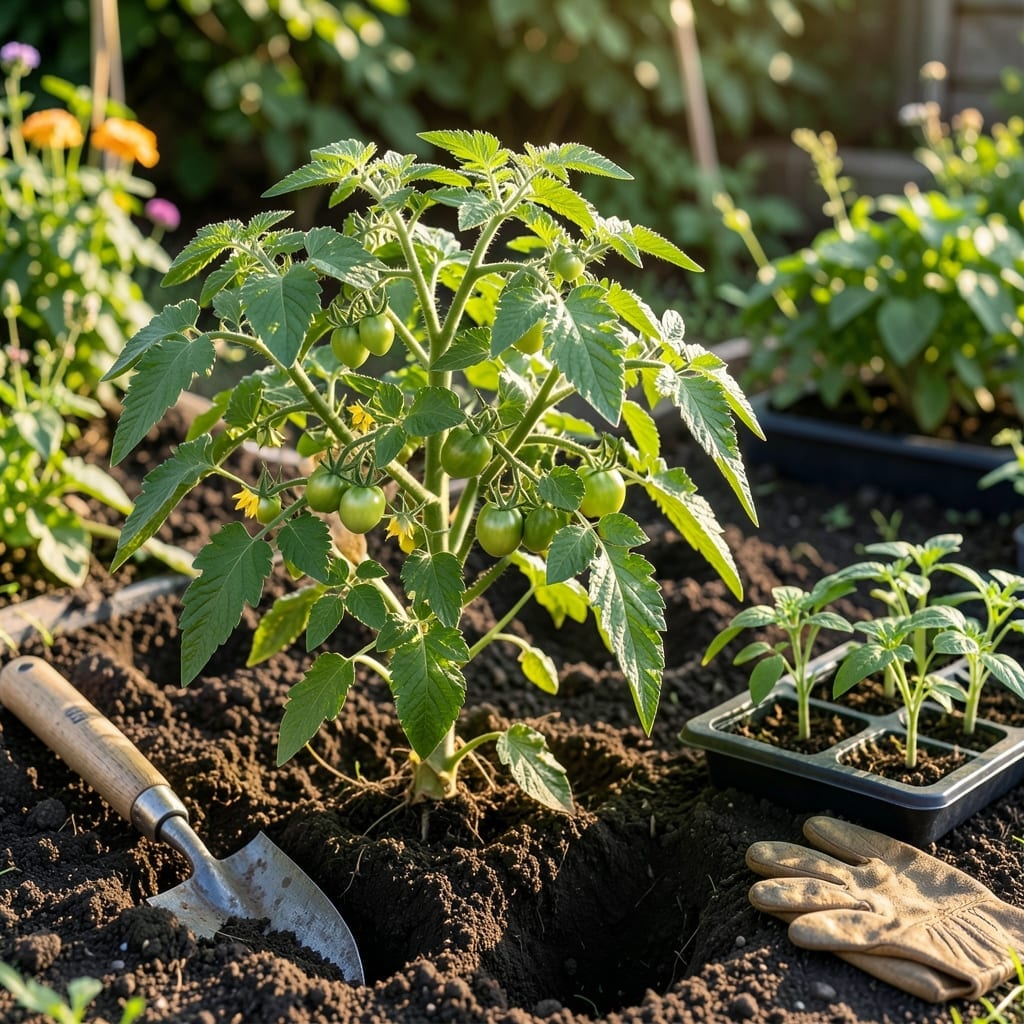
Timing is everything when planting a General Garden in Virginia’s diverse climate. One wrong move can turn your dream harvest into a disappointment.
Virginia’s zones 7a-8a create unique challenges and opportunities for gardeners. I’ve learned the hard way that timing your planting right makes all the difference.
The spring planting window from March to May is your golden opportunity. But there’s more to it than just picking a date.
Let me show you exactly when to get your 🌱 General Garden in the ground for the best results in Virginia’s growing season.
Virginia spans USDA zones 6a-8a, creating varied planting windows. The Coastal Plains warm up faster than the Blue Ridge Mountains, so timing differs by region.
In zone 7a-8a, your last frost is typically April 15. Cool-season crops like kale and peas can go in as early as March.
| Zone | Last Frost | Cool-Season Start | Warm-Season Start |
|---|---|---|---|
| 6a | May 1 | Late March | Mid-May |
| 7a | April 15 | Early March | Early May |
| 8a | April 1 | February | Late April |
For zone 6a, wait until mid-May for warm-season crops like tomatoes and peppers. The soil needs to reach at least 60°F for these.
The Coastal Plains region enjoys milder winters, allowing for earlier planting. I’ve had success with lettuce and spinach in late February here.
In the Blue Ridge Mountains, frost lingers longer. Gardeners here should hold off on warm-season crops until late May or early June.
Soil temperature is as important as air temperature. Use a soil thermometer to check conditions before planting.
Virginia’s 180 frost-free days give you a long growing season. Plan succession plantings of bush beans or radishes for continuous harvests.
Microclimates matter too. A south-facing wall can create a warmer spot, letting you plant 2-3 weeks earlier than the general zone dates.
I always recommend starting transplants indoors 6-8 weeks before the last frost. This gives tomatoes and peppers a head start in our sometimes-short spring.
Remember, these are guidelines. Watch the weather forecast and be ready to protect tender plants from unexpected late frosts 🌱
Virginia’s growing season spans from early spring to fall, with each month offering unique opportunities. I’ve found that planning ahead ensures a continuous harvest throughout the year.
In early spring (March-April), focus on cool-season crops like peas, lettuce, and spinach. These thrive in the cooler temperatures before the summer heat.
As temperatures rise in May, it’s time for warm-season crops like tomatoes, peppers, and beans. These need soil temps above 60°F to germinate properly.
The summer months (June-July) are perfect for heat-loving plants like okra, sweet potatoes, and corn. Keep them well-watered during dry spells.
In late summer (August), start your fall garden with carrots, beets, and radishes. These mature quickly before the first frost.
Don’t forget herbs like basil and cilantro, which can be planted in successive batches for fresh flavors all season. I always keep a few pots near my kitchen door 🌿