
Beautiful Plants For Your Interior
Beautiful Plants For Your Interior
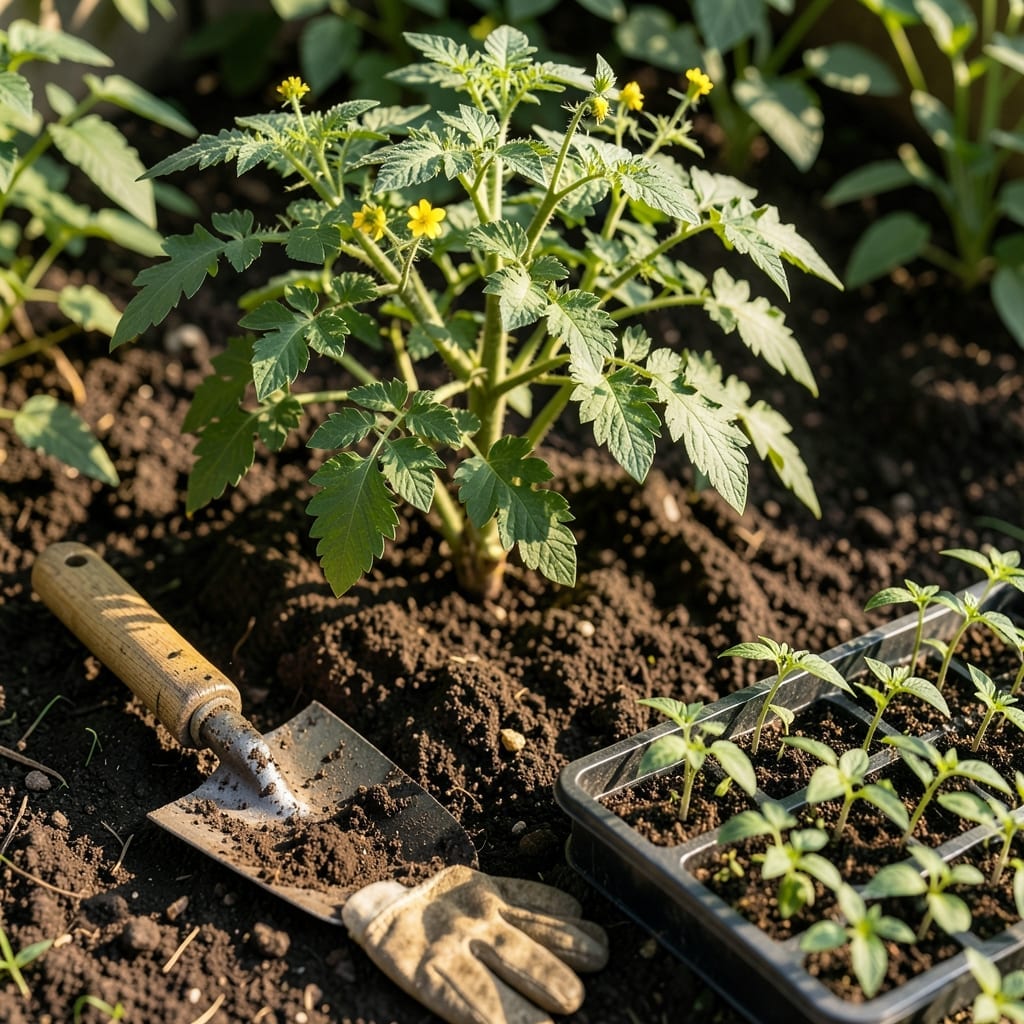
Timing is everything when you’re growing a thriving 🌱 Garden in Upstate NY. Our region’s climate throws curveballs with cold winters and unpredictable springs.
One wrong planting date can mean the difference between a bountiful harvest and a garden full of regrets. I’ve learned the hard way that following nature’s calendar is the key to success.
In Zones 5b-6a, that sweet spot between frost and warmth is tighter than you might think. Whether you’re planting vegetables, flowers, or herbs, timing your efforts is crucial.
Discover exactly when to get your Garden in the ground for maximum growth and minimal heartbreak. Let me walk you through the perfect schedule.
In Upstate New York, the planting season kicks off in early spring with cool-season crops like peas, spinach, and lettuce. These thrive in 40-60°F soil and can handle light frosts. I always start these indoors or under cover in March to get a head start.
Once the last frost date (typically May 15 in Zone 5b-6a) passes, it’s time for warm-season crops like tomatoes, peppers, and cucumbers. These need soil temps above 60°F to flourish.
| Crop Type | Planting Time | Soil Temp | Notes |
|---|---|---|---|
| Peas, Spinach | March-April | 40-60°F | Cold-hardy |
| Tomatoes, Peppers | May-June | 60-70°F | After last frost |
| Carrots, Beets | April-May | 50-60°F | Cool-season |
| Cucumbers, Beans | May-June | 60°F+ | Warm-season |
For flowers, I plant pansies and snapdragons in early spring, while marigolds and zinnias go in after the frost risk passes. Perennials like hostas and daylilies can be planted in spring or fall.
In Albany and Buffalo, microclimates vary. I check my local frost dates using the USDA Plant Hardiness Zone Map for precision. Coastal areas may have a slightly longer season than inland spots.
Herbs like cilantro and dill prefer cool weather and can be sown in early spring. Meanwhile, basil and oregano need warmer soil and should wait until late May.
For fall planting, I focus on cool-season crops like kale and radishes. These can be direct-sown in late summer for a fall harvest. Garlic goes in the ground in October for next year’s crop.
I always test my soil before planting. Upstate NY soils tend to be acidic, so I add lime if needed to hit a pH of 6.0-7.0. This ensures my plants can access all the nutrients they need.
Succession planting is key for continuous harvests. After my early lettuce is done, I plant bush beans in the same spot. This keeps my garden productive all season long.
🌿Finally, I keep a garden journal to track what works. Last year, my May 20th tomato planting thrived, while my early April squash succumbed to frost. Learning from these experiences makes each year more successful.
In Upstate NY, frost dates are your garden’s best friend. I always check the last spring frost—typically May 15 in most areas—to know when it’s safe to plant.
The first fall frost usually hits around October 15, giving us about 150 frost-free days. This window is perfect for planning your growing season.
🌱 Key Takeaway
Upstate NY’s last frost is typically May 15, with 150 frost-free days until the first fall frost. Always verify local dates for precision.
I recommend using the USDA Zone map to pinpoint your exact zone. Zones 5b-6a cover most of Upstate NY, but microclimates can vary.
For cool-season crops like peas and spinach, I plant 4-6 weeks before the last frost. These hardy plants can handle a light chill.
Warm-season crops like tomatoes and peppers need to wait until after the last frost when soil temps hit 60°F or higher.
Unexpected late frosts happen. I keep frost cloth or old blankets handy to protect tender plants. It’s saved my garden more than once!
Remember, these dates are averages. I always watch the local forecast and adjust my planting schedule as needed for the best results 🌱