
Beautiful Plants For Your Interior
Beautiful Plants For Your Interior
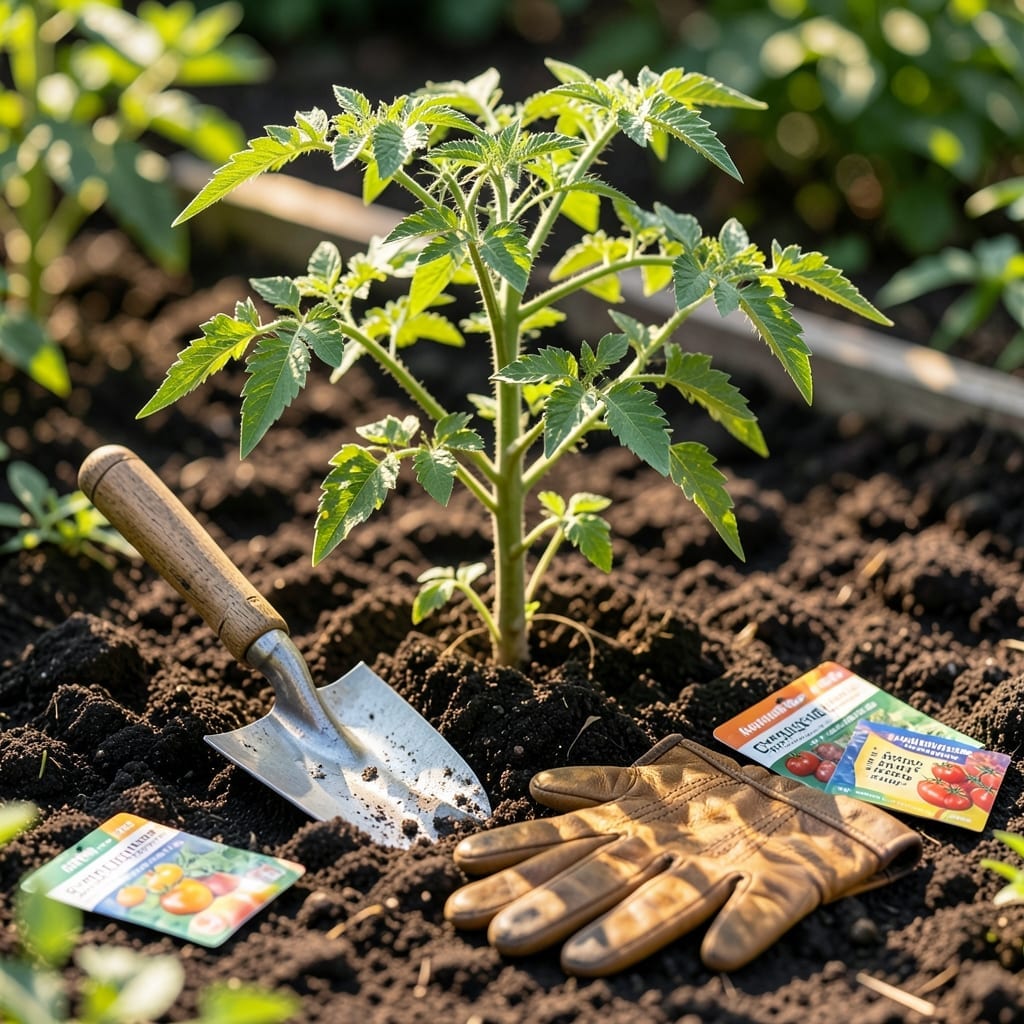
Timing is everything when you’re planting a General Garden in Pennsylvania. Get it right, and you’ll enjoy a bountiful harvest from June to October.
Our state’s unique zones 6a-7b mean spring and fall planting windows differ from your neighbor’s. I’ll help you navigate these differences with confidence.
Whether you’re in Pittsburgh or Philadelphia, understanding your local climate is the key to success. Let’s make sure your garden thrives this season.
Discover the perfect schedule for your region and learn how to maximize growth. Your best garden starts with knowing when to begin.
Pennsylvania spans USDA hardiness zones 4 through 7, which means planting schedules vary significantly. The last frost date in spring and first frost date in fall are critical for timing your garden properly.
In zone 6a, common in cities like Philadelphia, the last frost typically occurs around April 15. In cooler zone 4 areas, it may be as late as May 15, impacting when you can safely plant.
| Zone | Last Frost Date | First Frost Date |
|---|---|---|
| 4 | May 1-15 | Sept 15-30 |
| 5 | April 15-30 | Oct 1-15 |
| 6a-6b | April 1-15 | Oct 15-31 |
| 7 | March 15-30 | Nov 1-15 |
These frost dates help determine when to plant cool-season crops like lettuce and peas, which thrive in 40-60°F soil. You can plant these as early as 4-6 weeks before the last frost.
For warm-season crops like tomatoes and peppers, wait until soil temps reach 60°F and all danger of frost has passed. In zone 7, this might be early April, while in zone 4, it’s closer to June.
I always recommend using a soil thermometer to confirm temperatures. Cool-season crops can often handle light frosts, but tender plants need warmer conditions to avoid stunting or death.
The frost-free growing season in Pennsylvania ranges from 140 days in the north to 200 days in the south. This affects what you can grow and when to start seeds indoors.
In my experience, starting seeds indoors 6-8 weeks before the last frost gives tomatoes and peppers a head start. Transplant them outdoors only after hardening off and when nighttime temps stay above 50°F.
Don’t forget about fall planting! Many cool-season crops can be planted in late summer for a second harvest. Count backward from your first frost date to determine the latest planting time.
For example, in zone 6, you can plant kale and spinach in August for a October harvest. Always check your specific microclimate, as urban areas may have slightly different conditions. 🌱
Pennsylvania’s diverse climate zones mean planting times vary across the state. In Philadelphia (Zone 7), you can start warm-season crops like tomatoes mid-April, while Pittsburgh (Zone 6) gardeners should wait until early May to avoid frost damage.
For cool-season crops like lettuce and peas, early March works in Zone 7, but Zone 5 areas need to hold off until late March or early April. Always check your local frost dates for precision.
In rural areas with Zone 4-5 conditions, the growing season is shorter. Focus on fast-maturing varieties like bush beans or early tomatoes. Soil temperature matters too—wait until it hits 60°F for warm-season plants.
For fall gardens, count backward from your first frost date. In Zone 6, that’s around October 15. Plant carrots and beets 10-12 weeks before this date for a bountiful harvest.
I always remind gardeners to use row covers for early or late plantings. They protect tender seedlings from unexpected frosts and extend your season by weeks.
Finally, keep a garden journal to track what works in your microclimate. Note germination dates, weather patterns, and harvest times to refine your schedule yearly.
🌱