
Beautiful Plants For Your Interior
Beautiful Plants For Your Interior
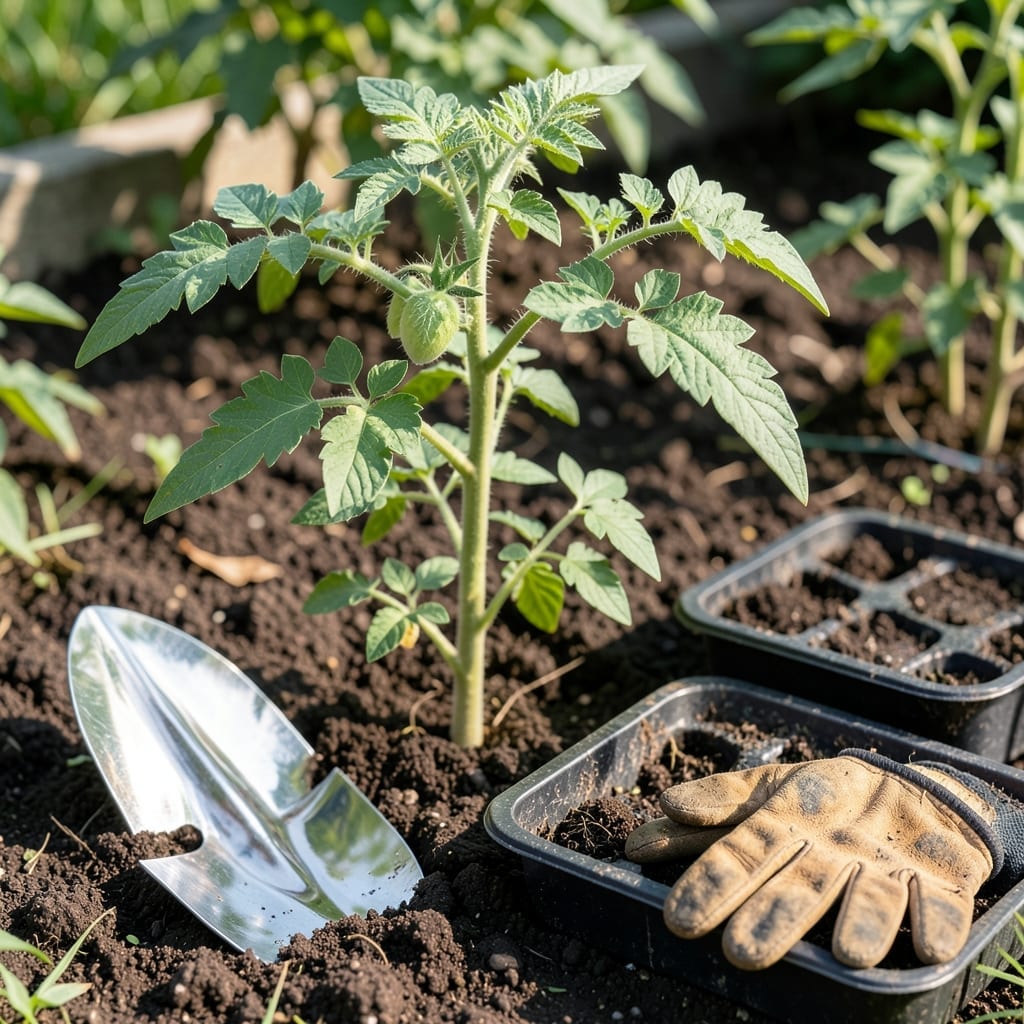
Timing is everything when it comes to planting a thriving General Garden in Oregon. Our state’s diverse microclimates and seasonal shifts can make or break your harvest, so knowing when to start is key.
Whether you’re in zones 7b-9a or another region, understanding your local frost dates and soil conditions will set you up for success. This isn’t just about picking a date—it’s about working with nature’s rhythm.
I’ve spent years fine-tuning planting schedules for Oregon gardens, and the differences between coastal and inland areas are surprising. What works in Portland won’t always fly in Bend, but there’s a best window for every region.
Let me walk you through the most important factors so you can plant with confidence and enjoy a bountiful season. Your garden’s success starts with getting the timing right.
Oregon’s diverse climate zones range from USDA 4 to 9, meaning planting times vary dramatically. Coastal areas like Portland enjoy milder winters, while inland regions such as Bend face harsher frosts.
Knowing your last frost date is critical. In Zone 7b, expect the last frost around April 15, while Zone 4 areas may see it as late as May 15 or later.
The Willamette Valley (mostly Zone 8) offers a long growing season. Here, last frost often hits in mid-March, allowing early starts for peas and lettuce.
For Zone 4 areas like La Grande, the short season demands fast-maturing varieties. Use row covers to protect plants from unexpected late frosts in May.
Soil temperature is as crucial as air temp. Use a soil thermometer to check. Peas germinate at 40°F, but beans need at least 50°F.
Oregon’s microclimates can shift dates by weeks. A south-facing slope in Zone 7 may act like Zone 8, allowing earlier planting of carrots and beets.
Always harden off seedlings before transplanting. This acclimates them to outdoor conditions, reducing transplant shock in Oregon’s variable spring weather.
Check local extension office data for hyper-local advice. They often provide real-time updates on frost warnings and soil conditions. 🌱
Oregon’s diverse climate means your planting calendar will vary by region. In the Willamette Valley, spring planting often starts in March, while coastal areas may wait until April due to cooler conditions. I always recommend checking your local soil temperature before getting started.
For cool-season crops like lettuce, peas, and spinach, early spring is ideal. These thrive in 50-70°F temperatures and can often handle light frosts. Warm-season plants like tomatoes and peppers, however, need soil temps above 60°F to really take off.
Oregon Planting Highlights
In eastern Oregon, the shorter growing season means starting seeds indoors in late winter. Transplanting after the last frost (typically mid-May) gives plants the best chance. I’ve found that using row covers can extend the season by several weeks.
For coastal gardens, the mild but often overcast weather requires patience. Wait until soil warms to at least 50°F before planting. The ocean’s influence means you can often grow cool-season crops nearly year-round with protection.
Don’t forget about fall planting! Many Oregon gardeners get a second wind in August with crops like beets, turnips, and winter greens. These can often survive light frosts and provide fresh produce well into winter.
Remember, these are general guidelines. Your specific microclimate might allow for earlier or later planting. When in doubt, I always say observe your garden—nature often gives the best cues. 🌱