
Beautiful Plants For Your Interior
Beautiful Plants For Your Interior
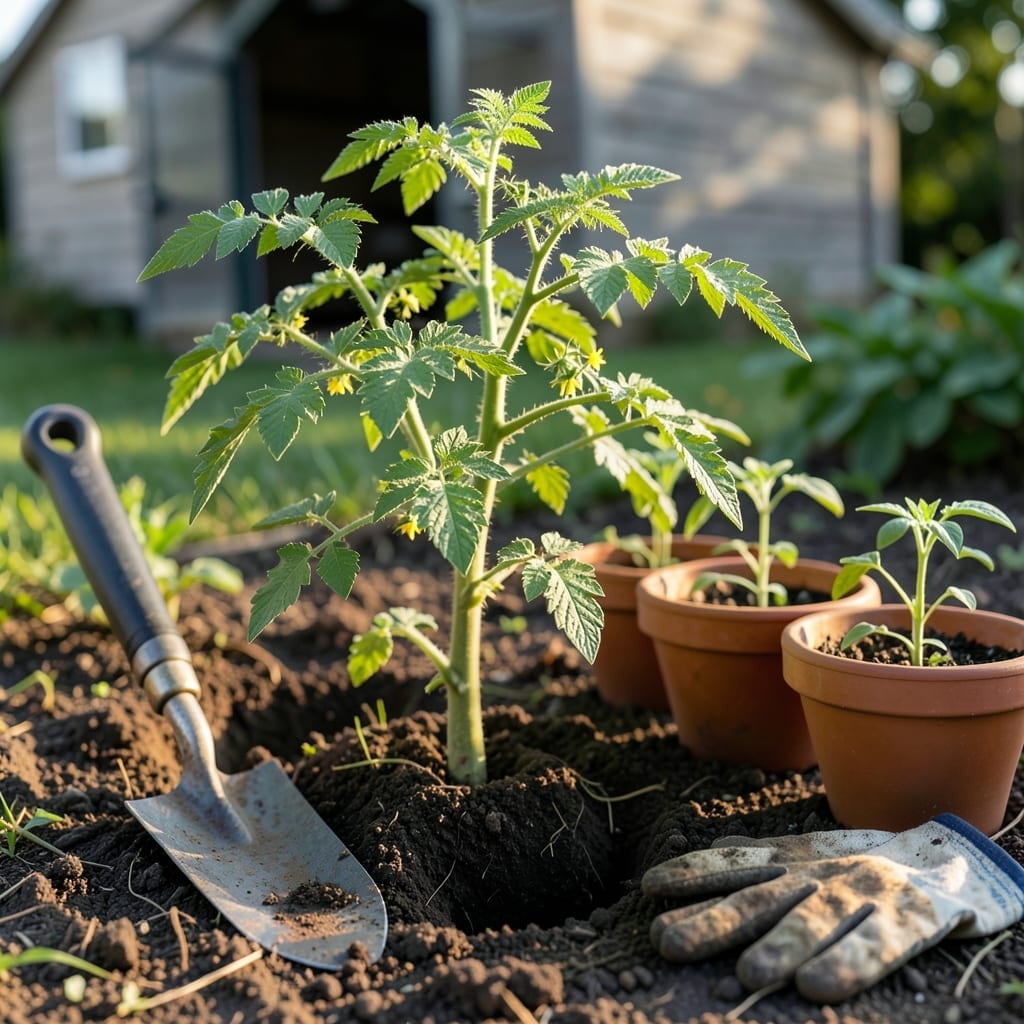
Timing is everything when planting a General Garden 🌱 in Nebraska, where unpredictable springs and harsh winters demand a climate-smart approach. One wrong move with your planting schedule can mean the difference between a bumper crop and a disappointing season.
I’ve learned through years of trial and error that Nebraska’s USDA zones 5b-6a have very specific windows for success. The key is working with Mother Nature’s timeline, not against it.
Whether you’re a first-time gardener or a seasoned pro, knowing exactly when to get those seeds in the ground is crucial. The optimal window for most plants falls between April and May.
Discover how to align your planting efforts with Nebraska’s unique climate patterns. Let me show you the exact timing that will set your garden up for a thriving season.
Nebraska’s USDA zones 5b-6a create unique planting challenges. I’ve found that timing your garden right means the difference between thriving plants and frost-bitten disappointments. The state’s 160 frost-free days guide our entire growing season.
Western Nebraska tends to have a slightly shorter season than the east, with last frosts often coming a week or two later. This means gardeners in Omaha can plant earlier than those in Scottsbluff. Always check your local conditions.
| Plant Type | When to Plant | Notes |
|---|---|---|
| Cool-Season Veggies | Early March-April | Peas, lettuce, spinach tolerate light frosts |
| Warm-Season Veggies | May-June | Tomatoes, peppers after last frost |
| Annual Flowers | April-May | Marigolds, zinnias after soil warms |
| Perennials | Spring/Fall | Best planted during mild temperatures |
For cool-season crops like lettuce and peas, I start planting as early as late March in eastern Nebraska. These hardy plants can handle temperatures down to 20°F. They’re my go-to for early spring harvests.
Warm-season plants like tomatoes and peppers need to wait until after the last frost, typically mid-April to early May. I always check the soil temperature—it should be at least 50°F for these heat-lovers.
In western Nebraska, I adjust my timeline by about 7-10 days later for all plantings. The higher elevation means cooler temperatures and a shorter growing window. Row covers can help extend the season in these areas.
For flowers, I plant annuals like marigolds and zinnias after the last frost, while perennials can go in either spring or fall. Fall planting gives roots time to establish before winter dormancy.
Don’t forget about succession planting. I plant quick-growing crops like radishes every 2-3 weeks for continuous harvests. This technique works wonders with Nebraska’s long summer days.
Remember that microclimates exist even in your own yard. South-facing walls or urban areas might be 5-10°F warmer than open spaces. I always observe my garden’s specific conditions.
Lastly, keep a gardening journal. I’ve found that tracking my planting dates and results helps me refine my schedule each year. Nebraska’s weather can vary significantly from one season to the next. ☀️
Understanding frost dates is crucial for Nebraska gardeners. I’ve learned that our last spring frost typically falls between April 15-May 1, while the first fall frost arrives around October 15-November 1. These dates bookend our growing season.
The state spans USDA zones 4-6, with western Nebraska generally being cooler. This means gardeners in zone 4 have a shorter season than those in zone 6. I always check my specific zone before planting.
🌱 Key Frost Date Insights
Eastern Nebraska has earlier last frosts than western areas. Urban heat islands can extend growing seasons by 1-2 weeks.
For cool-season crops, I plant 2-3 weeks before the last frost date. These include peas, lettuce, and spinach. They can tolerate light frosts, making them perfect for early planting.
Warm-season plants like tomatoes and peppers must go in after the last frost. I wait until soil temperatures reach at least 50°F, usually mid-April to early May in most areas.
Elevation affects frost dates too. In western Nebraska, higher elevations mean later last frosts and earlier first frosts. I adjust my planting schedule by 7-10 days for these areas.
Microclimates can create variations even within your yard. South-facing walls or paved areas may be 5-10°F warmer than open spaces. I use these warmer spots for heat-loving plants like basil and peppers.
Always keep a weather eye on forecasts. Late spring cold snaps aren’t uncommon in Nebraska. I’ve saved many tender plants by covering them during unexpected late frosts. 🌡️