
Beautiful Plants For Your Interior
Beautiful Plants For Your Interior
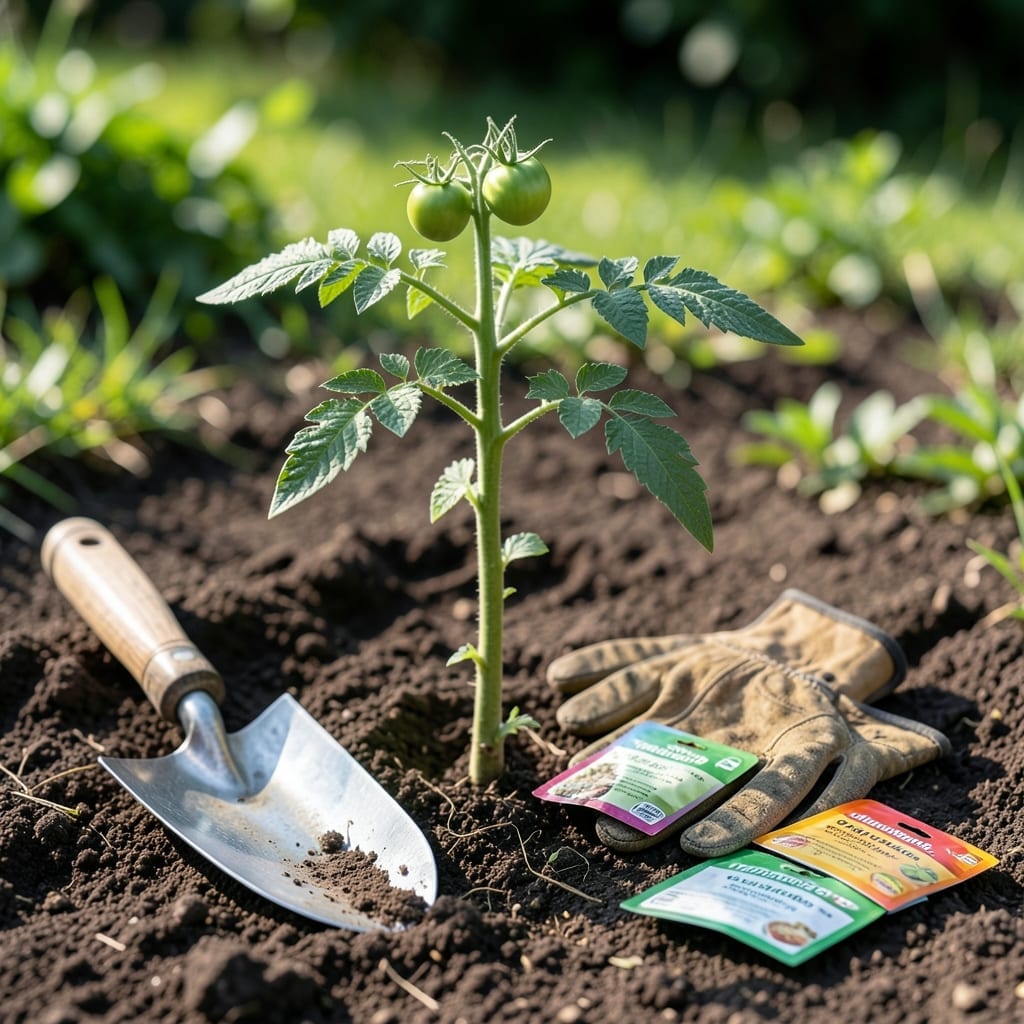
Timing is everything when planting your General Garden in Minnesota. Our state’s unpredictable climate, with late frosts and short growing seasons, demands precision to protect your harvest.
I’ve learned the hard way that planting too early or too late can mean the difference between a bountiful July – October harvest and a disappointing one. The key lies in understanding Minnesota’s unique rhythm.
Whether you’re in zone 4a-4b or elsewhere in the state, knowing the optimal windows for each crop is crucial. From cool-season starters to warm-season favorites, timing sets the stage for success.
Let me share the seasonal timeline that’s worked for my General Garden year after year. These insights will help you make the most of our spring planting window.
Planting in Minnesota requires careful timing due to our USDA zones 3-5 and unpredictable weather. I always check the last frost date, which typically falls around May 15 in most areas.
Soil temperature is another critical factor. Most warm-season crops need soil at least 50°F, while cool-season varieties tolerate chillier conditions. This balance is key to success.
| Crop Type | Planting Window | Method | Notes |
|---|---|---|---|
| Peas | Early April | Direct sow | Tolerates 25°F frost |
| Tomatoes | Mid-May | Start indoors | After last frost |
| Lettuce | Late March | Direct sow | Cool-season crop |
| Peppers | Late May | Start indoors | Needs 70°F soil |
| Carrots | Early April | Direct sow | Slow to germinate |
For cool-season crops like spinach and kale, I start seeds 4-6 weeks before the last frost. These hardy plants can even survive light frosts, making them perfect for early spring planting.
Warm-season plants like tomatoes and peppers are more delicate. I wait until all danger of frost has passed and soil temperatures reach at least 60°F for these heat-lovers.
Don’t forget about flowers! Pansies and snapdragons can go in early, while marigolds and zinnias prefer warmer soil. This staggered approach keeps my garden blooming all season.
I’ve found that using row covers or cold frames can extend the season by 2-4 weeks. These simple tools protect young plants from unexpected cold snaps and allow for earlier planting.
The fall planting window is just as important. I plant garlic in October for next year’s harvest, and kale can be direct-sowed in late summer for a fall crop.
Remember, these are general guidelines. Microclimates can vary significantly even within the same zone. I always recommend checking your local weather conditions and adjusting accordingly.
With this Minnesota planting calendar, you’ll be well on your way to a productive growing season. The key is patience and paying attention to both air and soil temperatures 🌱
Minnesota’s frost dates vary significantly across the state. In the Twin Cities, the last spring frost typically hits around May 10-15, while northern areas may see frost as late as June 1.
The first fall frost usually arrives between September 20 and October 10, depending on your location. These dates are crucial for planning both spring planting and fall harvests.
⚠️ Frost Warning: Unexpected late frosts can devastate tender plants. Always have row covers or frost blankets ready, especially for tomatoes and peppers.
I learned the hard way that planting tomatoes too early can mean losing them to a surprise frost. Now, I wait until soil temps hit at least 60°F and nighttime lows stay above 50°F.
For cool-season crops like peas and spinach, I’m less cautious. These can handle light frosts, so I plant them 2-3 weeks before the last expected frost.
In southern Minnesota, gardeners often get a longer growing season with the last frost around April 20. Northern gardeners should be more conservative, as frost can linger into early June.
To stay safe, I always check the 10-day forecast before planting. If there’s any chance of frost, I hold off or use season extenders like cloches or cold frames.
By respecting these frost dates, you’ll protect your investment and ensure a strong start for your garden 🌱