
Beautiful Plants For Your Interior
Beautiful Plants For Your Interior
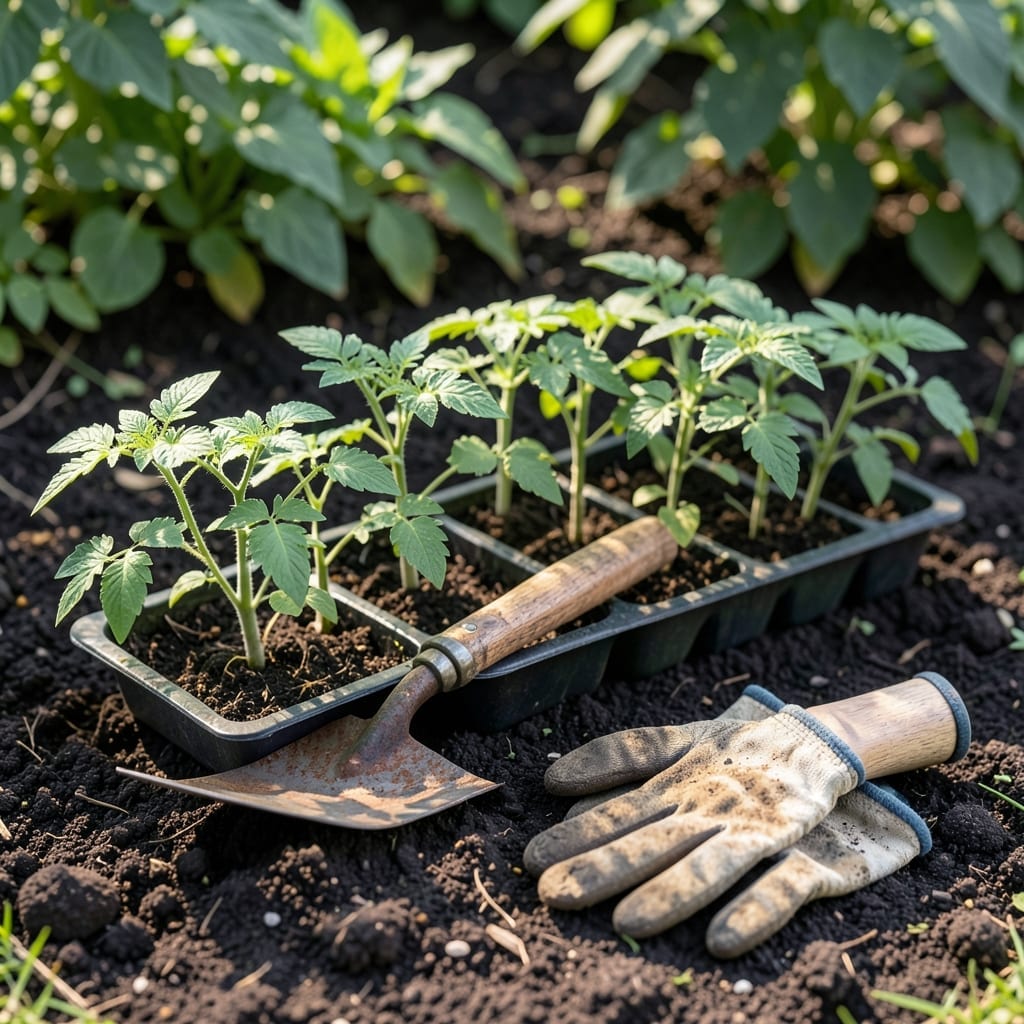
Maine’s unique climate with its cold winters and short growing season makes timing everything. You can’t just plant and hope for the best – perfect timing separates success from struggle.
I’ve learned the hard way that knowing when to get your 🌱 General Garden in the ground is the key to a thriving harvest. Maine’s zones 3b-5b demand precision.
Whether you’re a seasoned gardener or just starting out, understanding this seasonal rhythm will transform your approach. The window is narrow but rewarding.
Discover how to align your planting with Maine’s climate for bigger yields and healthier plants. Let’s make this your best growing season yet.
Maine’s USDA hardiness zones range from 3b to 5b, creating varied planting windows. The last frost date typically falls between May 1 and May 15, but coastal areas may see frost later.
Inland regions like Aroostook County often experience frost earlier than Portland or Bangor. These frost dates are critical for determining when to start cool-season crops versus warm-season plants.☀️
| Region | USDA Zone | Last Frost Date |
|---|---|---|
| Northern Maine | 3b-4a | May 15 – June 1 |
| Central Maine | 4b-5a | May 1 – May 15 |
| Southern Maine | 5b-6 | April 15 – May 1 |
For cool-season vegetables like peas and spinach, I recommend planting as soon as the soil is workable, often 4-6 weeks before the last frost. These hardy plants can tolerate light frosts and even improve in flavor.
Warm-season crops such as tomatoes and peppers need soil temps above 50°F. In most of Maine, this means waiting until late May or early June to transplant seedlings outdoors.
I always use a soil thermometer to check conditions. If the soil temperature is below 50°F, seeds may rot or germinate poorly. Mulching with black plastic can help warm the soil faster in spring.
Maine’s growing season averages 130 frost-free days, but this varies by region. Coastal areas benefit from moderating ocean influences, while inland valleys may experience frost pockets that shorten the season.
For perennial plants and shrubs, I plant in early spring or fall. Spring planting allows roots to establish before summer heat, while fall planting gives roots time to grow before winter dormancy.🌱
I’ve found that raised beds warm up faster than in-ground soil, allowing for earlier planting. Adding compost improves soil structure and heat retention, which is especially helpful in Maine’s shorter season.
Always watch the 10-day forecast before planting. A late cold snap can set back tender plants. I keep frost blankets on hand to protect seedlings if temperatures drop unexpectedly.
Understanding your local microclimate is key. South-facing slopes, urban heat islands, and bodies of water can all create warmer pockets where you might plant a week or two earlier than surrounding areas.🌿
Timing your Maine vegetable garden starts with knowing your crop types. I always divide my planting into cool-season and warm-season varieties for best results.
Cool-season crops like peas and spinach thrive in early spring or late summer. These can often go in 4-6 weeks before the last frost date.
For warm-season vegetables, I wait until after the last frost when soil temps hit 60-70°F. This usually means late May for most of Maine.
Tomatoes, peppers, and cucumbers need this warmth. I’ve learned that planting them too early just leads to stunted growth and poor yields.
Don’t forget about succession planting! I plant quick-growing crops like radishes and lettuce every 2-3 weeks for continuous harvests.
Always check your local soil temperature with a soil thermometer. I find this more reliable than just watching the calendar. It’s made a huge difference in my garden’s success 🌱