
Beautiful Plants For Your Interior
Beautiful Plants For Your Interior
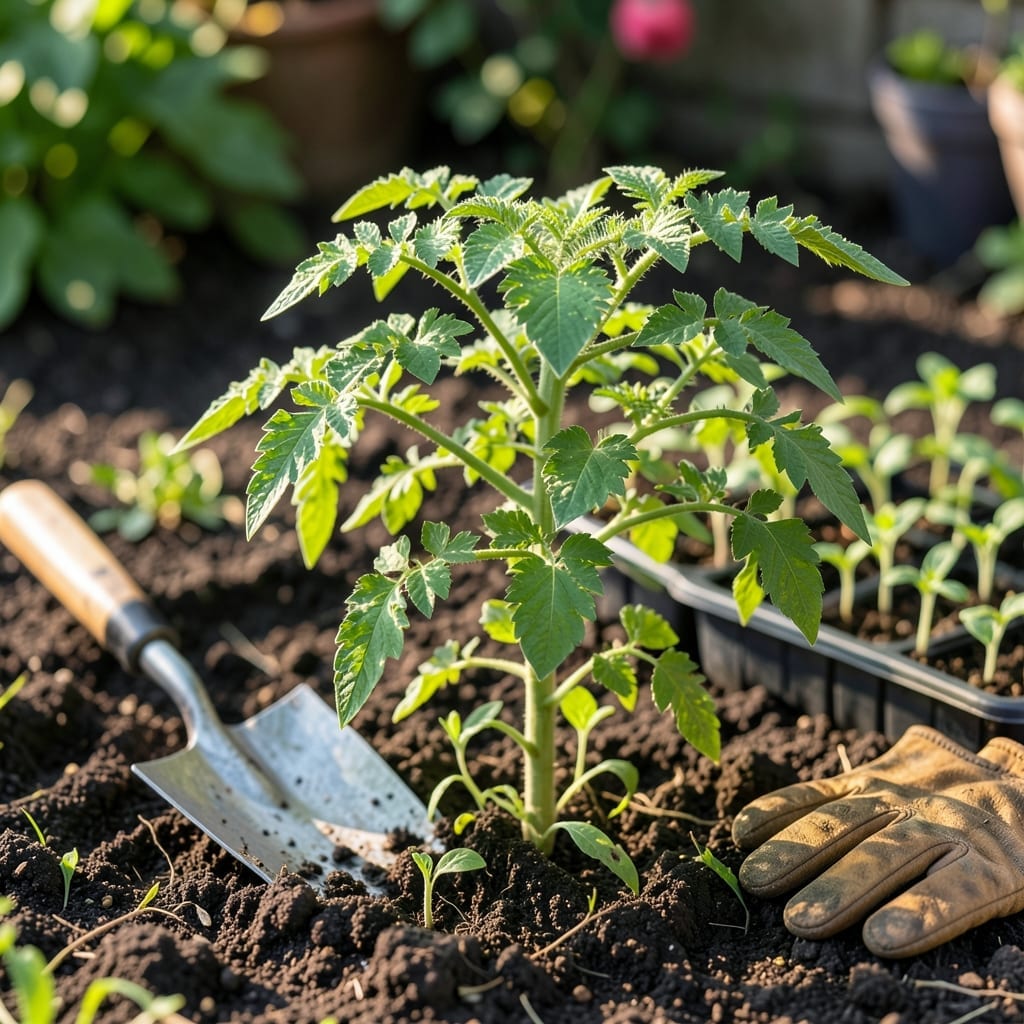
Timing is everything when growing a thriving 🌱 Garden in Kentucky. Plant too early, and frost might claim your crop. Wait too long, and you’ll miss the ideal growing window.
With our state spanning zones 6b-7a, the planting calendar isn’t one-size-fits-all. What works in Louisville might not in Pikeville – and that’s where most gardeners get tripped up.
I’ve spent seasons tracking Kentucky’s finicky weather patterns to pinpoint the most reliable planting times. These aren’t just guesses – they’re battle-tested schedules.
Let me show you exactly when to get each crop in the ground for maximum success. Your best harvest starts with knowing these precise windows.
Kentucky spans USDA hardiness zones 6a to 7b, which means frost dates and planting windows vary across the state. In zone 6a, the last spring frost typically hits around April 15, while zone 7b sees it closer to April 1. These dates are your green light for warm-season crops.
Your first fall frost in Kentucky usually arrives between October 15 and November 1, depending on your zone. This gives you about 180 frost-free days in most areas, perfect for a long growing season of tomatoes, peppers, and cucumbers.
| Zone | Last Spring Frost | First Fall Frost | Frost-Free Days |
| 6a | April 15 | October 15 | 180 |
| 6b | April 10 | October 20 | 185 |
| 7a | April 5 | October 25 | 190 |
| 7b | April 1 | November 1 | 195 |
I always recommend checking your exact zone using the USDA Plant Hardiness Zone Map. Even within Kentucky, microclimates can shift these dates by a week or two. Urban areas like Louisville often warm up faster than rural spots.
For cool-season crops like lettuce and spinach, I start seeds indoors 4-6 weeks before the last frost. This gives them a head start before the heat of summer kicks in. These plants thrive in 50-70°F soil temperatures.
Warm-season crops, such as beans and squash, need soil temps above 60°F. I wait until at least 2 weeks after the last frost to plant these directly in the garden. In zone 7b, that might mean late March, while zone 6a gardeners should hold off until early May.
Don’t forget about soil preparation. I test my soil pH in early spring, aiming for 6.0-7.0 for most vegetables. Adding compost or aged manure a few weeks before planting gives your crops the nutrients they need to flourish.
Kentucky’s humid subtropical climate means summers can be hot and wet. I use mulch to retain moisture and suppress weeds, especially during the July-August heat. Drip irrigation helps too, delivering water directly to the roots.
If you’re new to gardening in Kentucky, start with easy, fast-growing crops like radishes or bush beans. These can be planted in both spring and fall, giving you two harvests in a single season. Radishes are ready in just 25-30 days!
Finally, keep a garden journal to track your planting dates and harvests. Over time, you’ll notice patterns and can adjust your schedule for even better results. Kentucky’s climate is forgiving, but timing is still key to a thriving garden.
🌱Kentucky’s varied climate lets gardeners enjoy three distinct planting seasons. I always start cool-season crops like lettuce and peas in early spring or late summer for fall harvests. These thrive in 50-70°F temperatures.
For warm-season favorites like tomatoes and peppers, I wait until after the last frost date (typically April 15 in most areas). This ensures soil temps stay above 60°F for proper germination.
I’ve found that succession planting works wonders in Kentucky. After harvesting early lettuce, I immediately plant bush beans in the same space. This maximizes my garden’s productivity through the growing season.
Don’t forget about flowers! I plant pansies in early spring and marigolds after frost danger passes. They not only beautify the garden but also help repel pests naturally.
For fall gardens, I start seeds indoors in July for crops like broccoli and cabbage. This gives them a head start before transplanting outside in August. The key is counting backward from your first fall frost date.
Remember, Kentucky’s microclimates can vary greatly. I always check my specific area’s frost dates and adjust accordingly. A soil thermometer is my best friend for knowing when conditions are just right.
With proper timing, I’ve achieved continuous harvests from spring through fall in my Kentucky garden 🌿