
Beautiful Plants For Your Interior
Beautiful Plants For Your Interior
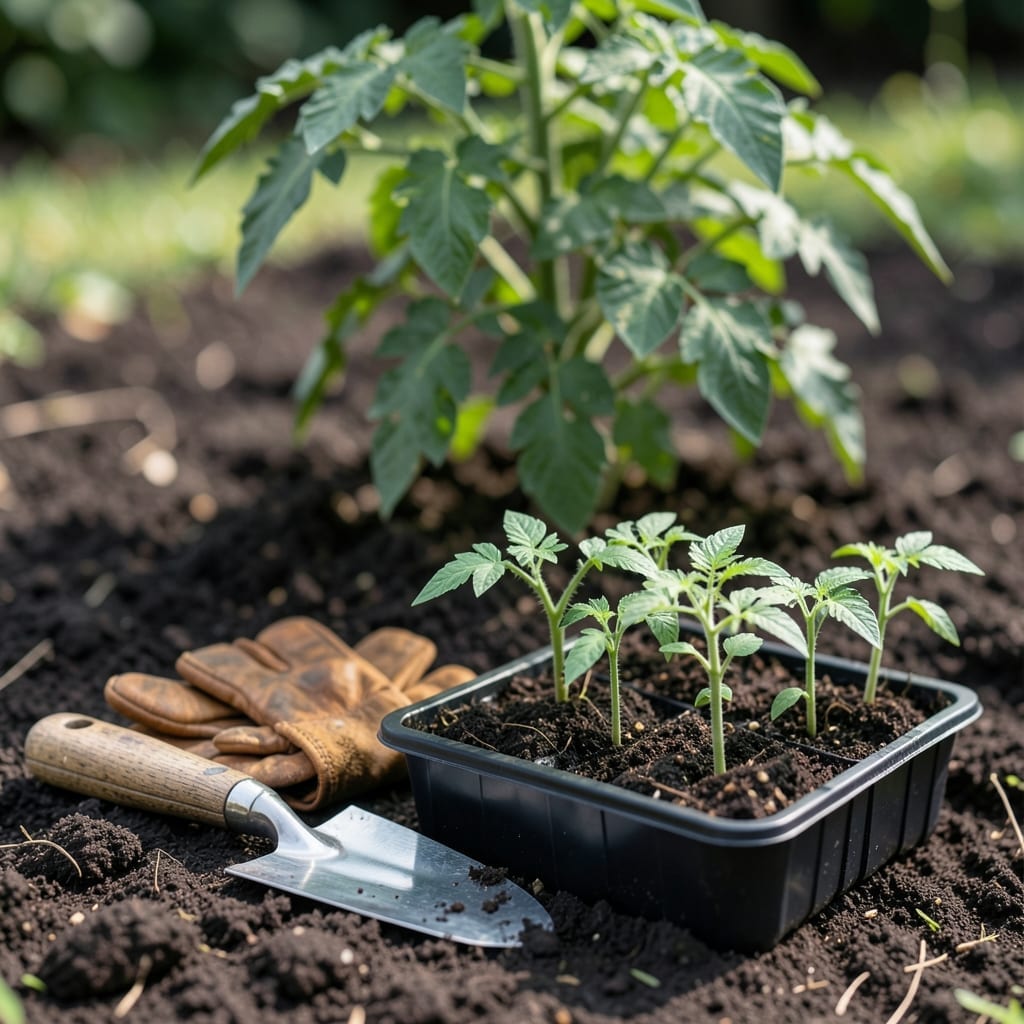
Timing is everything when planting your General Garden in Iowa—start too early and frost may kill your seedlings, too late and you’ll miss the growing season.
I’ve learned the hard way that Iowa’s climate demands precision. The difference between a thriving garden and a disappointing one often comes down to just a few weeks.
With 5a-5b zones and unpredictable springs, knowing when to get your hands dirty is the key to success. Let me walk you through the most important timing considerations.
You’ll discover how to work with Iowa’s unique seasons to maximize your harvest, whether you’re planting vegetables, flowers, or herbs.
Iowa’s USDA Zones 4-5 create unique planting windows. The last spring frost typically hits between April 15-May 15, while the first fall frost arrives October 1-15. This gives you about 160 frost-free days to work with.
I always start cool-season crops like peas and spinach as early as March in protected areas. These hardy plants can handle light frosts and even improve in flavor with a touch of cold.
| Crop Type | Planting Time | Frost Tolerance |
|---|---|---|
| Peas, Spinach | Early March – April | High |
| Lettuce, Radishes | March – April | Medium |
| Tomatoes, Peppers | After May 10 | Low |
| Garlic, Onions | October | High |
| Carrots, Beets | April – May | Medium |
For warm-season crops like tomatoes and peppers, I wait until after May 10 when soil temps consistently hit 60°F. Planting too early can stunt growth or kill tender seedlings.
The fall garden is often overlooked but crucial. I plant garlic in October for next year’s harvest, and kale can go in August for sweet cold-weather flavor. The key is counting backward from the first frost date.
Iowa’s soil temperature matters as much as air temp. I use a soil thermometer to check that 50°F minimum for most seeds. Cold soil can delay germination or cause rot.
Don’t forget succession planting for continuous harvests. I plant radishes every 2 weeks in spring and fall. This extends my growing season significantly.
Microclimates can vary greatly across Iowa. My south-facing garden warms up faster than my neighbor’s shaded plot. Observe your space and adjust planting times accordingly.
For flowers, I start pansies in early April as they tolerate light frost. Marigolds and zinnias wait until after the last frost for best results.
Remember, these are guidelines. Iowa weather can be unpredictable. I always keep row covers handy for unexpected late frosts in spring or early frosts in fall.
I’ve found that keeping a garden journal helps track what works best in my specific location. Note your planting dates and first harvests each year to refine your schedule.
Iowa’s growing season typically runs from mid-April to mid-October. This gives you plenty of time to cultivate a variety of plants, but timing is critical for each crop type.
For cool-season vegetables like peas and spinach, you can start as early as March or early April. These thrive in cooler temperatures and can often tolerate light frosts. 🌱
If you’re eager to get a head start, consider starting seeds indoors about 6-8 weeks before the last frost date. This works well for tomatoes, peppers, and eggplants, which need warmer soil to thrive.
Warm-season crops like beans, cucumbers, and squash should wait until late May when the soil has warmed to at least 60°F. Planting these too early can stunt their growth.
For flowers, pansies and snapdragons can go in as soon as the soil is workable in early spring. Marigolds and zinnias prefer warmer soil, so hold off until late spring.
Don’t forget herbs like basil and cilantro. These do best when planted after the last frost, but parsley and chives can handle cooler temperatures. ☀️
Always check your local frost dates and monitor soil temperature with a simple thermometer. This small step can make a big difference in your garden’s success. 🌿