
Beautiful Plants For Your Interior
Beautiful Plants For Your Interior
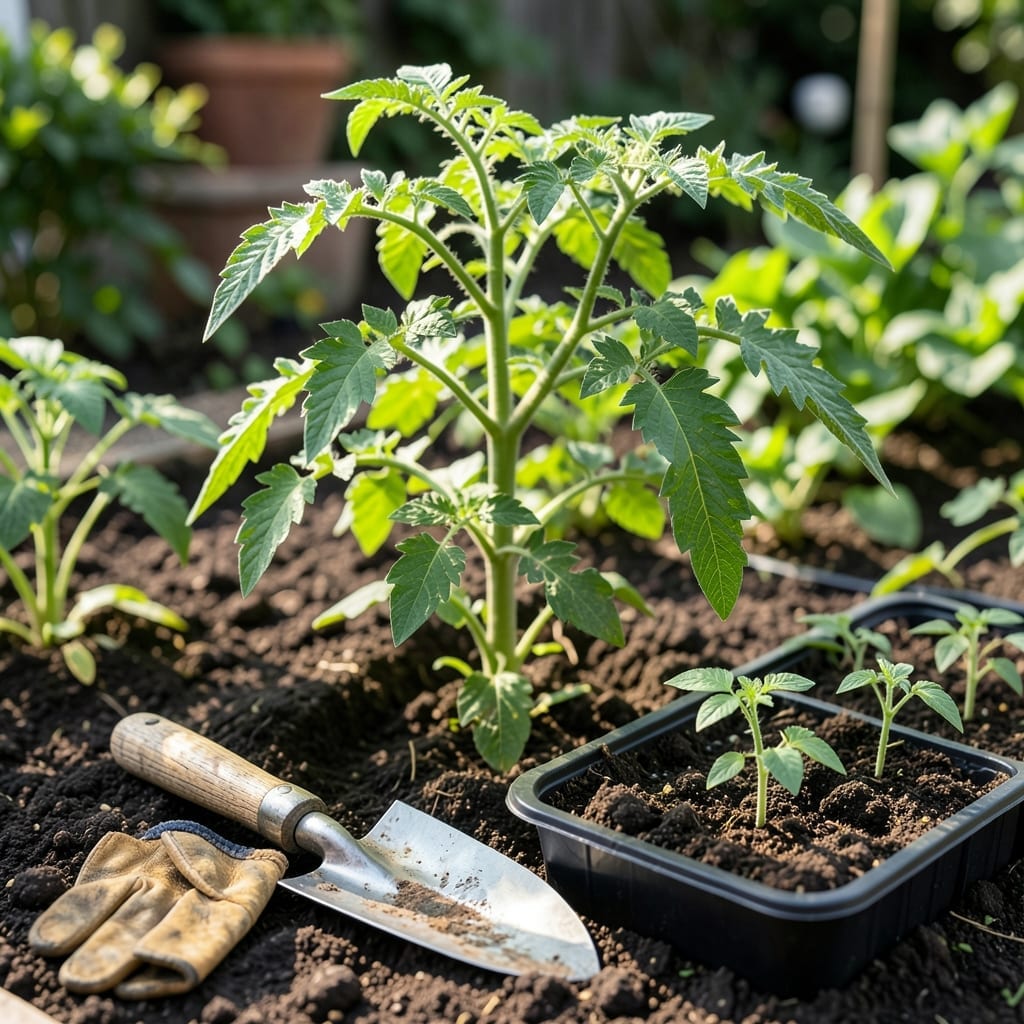
Timing is everything when planting a Garden in Georgia, where the state’s diverse climate zones can make or break your harvest. Knowing the right moment to sow seeds ensures thriving plants and bountiful yields.
In zones 7b-8a, the planting window spans from March to May and again from August to October. This timing aligns perfectly with Georgia’s unique growing conditions, giving your Garden the best start possible.
Whether you’re planting cool-season crops in early spring or warm-season varieties after the last frost, getting the timing right is the key to success. I’ll walk you through the optimal schedule tailored to Georgia’s climate.
Discover how to maximize your harvest by planting at the ideal times. With these insights, you’ll be well on your way to a flourishing Garden that thrives throughout the seasons.
Georgia’s USDA hardiness zones range from 7a to 8b, creating varied planting windows. I’ve found that cool-season crops thrive in early spring or late summer, while warm-season varieties need post-frost timing.
In Zone 7a, expect your last frost around April 10-15. This means tomatoes and peppers can go in the ground safely after this date. I always wait for soil temps to hit 60°F for these heat-lovers.
| Zone | Last Frost | Warm-Season Start | Cool-Season Start |
|---|---|---|---|
| 7a | April 10-15 | Mid-April | Late August |
| 7b | April 1-10 | Early April | Early September |
| 8a | March 20-30 | Late March | Late September |
| 8b | March 10-20 | Early March | Early October |
For Zone 8b, you’re lucky with an earlier start. My cool-season crops like kale and spinach can go in as early as February. I’ve had great success with this timing in southern Georgia.
Soil temperature is critical. I use a soil thermometer to check that warm-season crops like cucumbers and squash have soil at least 70°F. This prevents seed rot and ensures strong germination.
Don’t forget about frost dates. Georgia’s first frost typically hits between October 15 and November 15, depending on your zone. I always mark these dates on my gardening calendar to plan my fall plantings.
In Zone 7b, I’ve found that broccoli and cabbage do best when planted in late February for a spring harvest. For fall, I plant these same crops in late August for a cool-weather harvest.
For warm-season crops like okra and sweet potatoes, I wait until May in northern Georgia. In southern areas, I can start these as early as April. The key is watching those soil temperatures.
I always recommend checking your local extension office for the most accurate dates. Microclimates can vary even within the same zone. My neighbor’s garden might be ready for tomatoes a week before mine!
Remember, these are guidelines. I’ve had years where a late frost caught me by surprise. That’s why I always keep frost blankets on hand for my early plantings. It’s better to be safe than sorry in Georgia’s unpredictable springs.
Lastly, don’t overlook succession planting. In Georgia’s long growing season, I can plant bush beans every 2-3 weeks from April to August for continuous harvests. This technique maximizes my garden’s productivity 🌱
Georgia’s unique climate lets you grow a diverse garden year-round. I’ve found that spring planting thrives from March to May, while fall crops do best from August to October. This timing aligns with the state’s frost-free window of about 210 days. ☀️
For cool-season crops like lettuce and broccoli, aim for early spring or late summer planting. Warm-season favorites such as tomatoes and peppers need to go in after the last frost, typically mid-April in most areas. 🌱
I always check the soil temperature before planting. Warm-season crops need soil at least 60°F, while cool-season varieties can handle 40-50°F. A simple soil thermometer takes the guesswork out. ✂️
For flowers, annuals like marigolds and zinnias do well planted after last frost. Perennials such as coneflowers can be planted in spring or fall for established roots before extremes. 🌻
Remember that Georgia’s zones vary from 7a to 8b. Northern areas may need to wait 1-2 weeks longer than southern regions. I recommend checking your local extension office for precise dates. 🌳
Watering is crucial after planting. I give new seedlings 1 inch of water weekly, preferably in the early morning. This helps prevent disease and ensures strong root development. 💧