
Beautiful Plants For Your Interior
Beautiful Plants For Your Interior
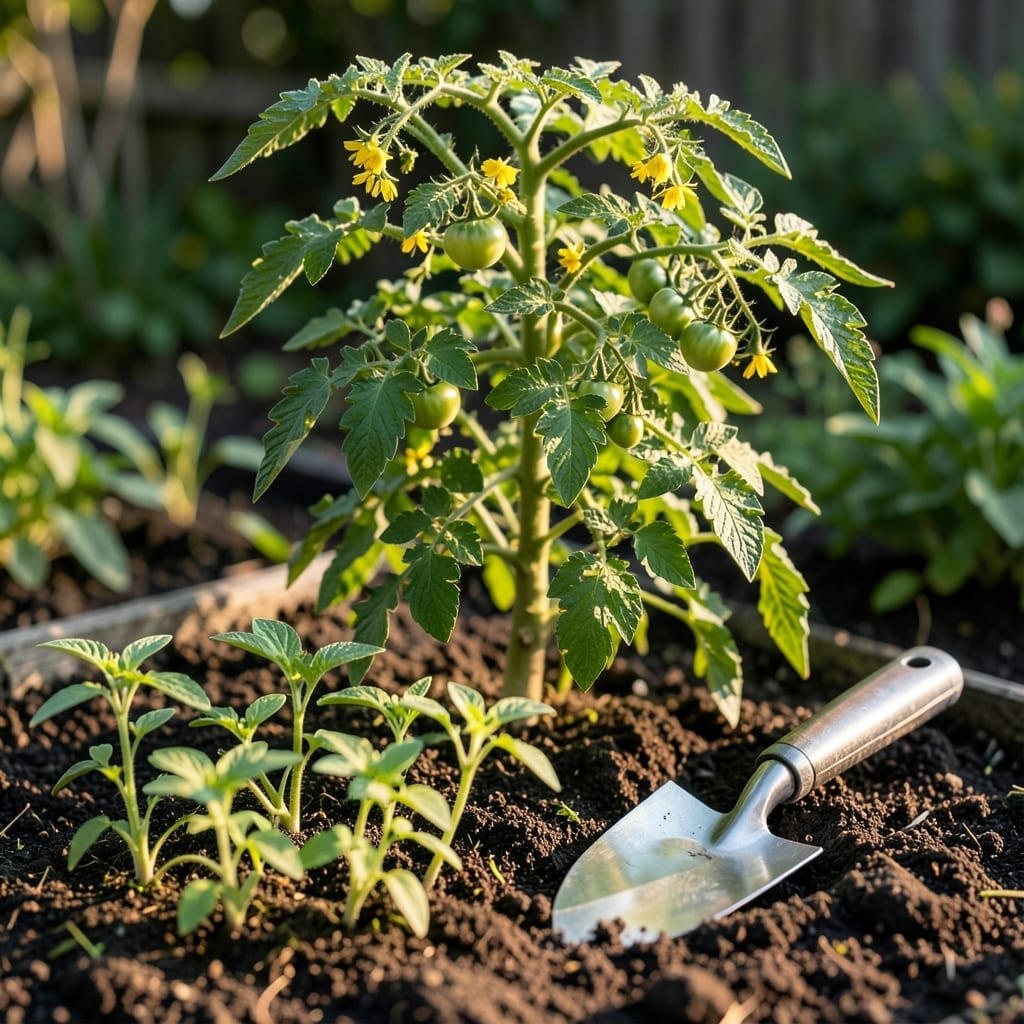
Florida’s unique climate offers gardening opportunities year-round, but timing is everything. Plant too early or late, and you risk heat stress, pests, or frost ruining your harvest.
Whether you’re cultivating a General Garden in Tampa or Orlando, knowing the best windows is key. The state’s zones 8a-10b mean planting times vary, even between North and South Florida.
I’ve tested countless schedules, and what I’ve learned can save you from common pitfalls. From frost dates to seasonal crops, this guide will help you plant with confidence.
Discover when to start your garden for maximum success, no matter where you are in the Sunshine State.
Florida’s diverse climate means planting times vary by region. In North Florida (Zones 8-9), you can start cool-season crops like lettuce and broccoli in early spring or fall. Central Florida (Zone 9) offers a longer window for these same crops.
Meanwhile, South Florida (Zones 10-11) has a year-round growing season for many warm-season plants. However, summer heat can stress even heat-tolerant varieties like okra or sweet potatoes. Always check local frost dates for precision.
| Region | Cool-Season Crops | Warm-Season Crops |
|---|---|---|
| North Florida | Sept-Oct, Feb-March | April-May, July-Aug |
| Central Florida | Oct-Nov, Jan-Feb | March-April, Aug-Sept |
| South Florida | Nov-Dec, Feb | Year-round (avoid June-July) |
I’ve found that tomatoes and peppers thrive when started in late winter for North and Central regions. In South Florida, these can go in the ground as early as December for a spring harvest. Herbs like basil and cilantro prefer milder temperatures and can bolt in summer heat.
Flowers also follow regional patterns. Marigolds and zinnias do well in spring and fall across the state, while tropical varieties like hibiscus flourish year-round in the south. Always consider microclimates in your specific area.
For successful gardening, I recommend using a soil thermometer to check conditions. Most seeds germinate best when soil temps hit 60-85°F. In Florida, this often means starting indoors for early spring crops to avoid late frosts.
Watering is critical in Florida’s heat. New plantings need consistent moisture but avoid waterlogging. I use drip irrigation to target roots and prevent fungal issues. Mulching with organic material helps retain moisture too.
Pest management is another key factor. Warm, humid conditions invite aphids and whiteflies. I plant companion flowers like nasturtiums to deter pests naturally. Regular garden inspections catch issues early.
Don’t forget soil preparation. Florida’s sandy soil often needs amendments like compost or peat moss. A soil test reveals nutrient deficiencies. I add balanced fertilizer before planting each new season.
Finally, keep a garden journal to track what works. Note planting dates, weather patterns, and harvest times. Over the years, I’ve adjusted my schedule based on these records for better yield and quality.
With these region-specific insights, you’ll maximize your Florida garden’s potential. The key is working with, not against, the state’s unique climate patterns 🌱
Florida’s warm climate lets you grow a diverse garden year-round, but each season favors certain crops. In spring and fall, I focus on heat-tolerant vegetables like tomatoes and peppers that thrive in the Sunshine State.
For summer planting, quick-growing crops such as bush beans or okra handle the intense heat. Meanwhile, winter gardens shine with leafy greens and root vegetables in cooler areas.
I’ve found heat-tolerant varieties like ‘Solar Fire’ tomatoes or ‘Jalapeño M’ peppers perform best in Florida’s summer heat. These plants resist wilting and continue producing even in 90°F+ temperatures.
For cool-season crops, ‘Georgia Collards’ and ‘Florida Broadleaf’ mustard excel in North Florida’s milder winters. They handle light frosts better than most, giving you fresh greens when other plants struggle.
Don’t overlook herbs like basil and rosemary, which thrive in Florida’s heat with minimal care. I plant them near vegetable beds to deter pests naturally.
Remember, South Florida gardeners can grow tropical fruits like mangoes and avocados year-round. These require well-draining soil and protection from rare cold snaps.
🌱