
Beautiful Plants For Your Interior
Beautiful Plants For Your Interior
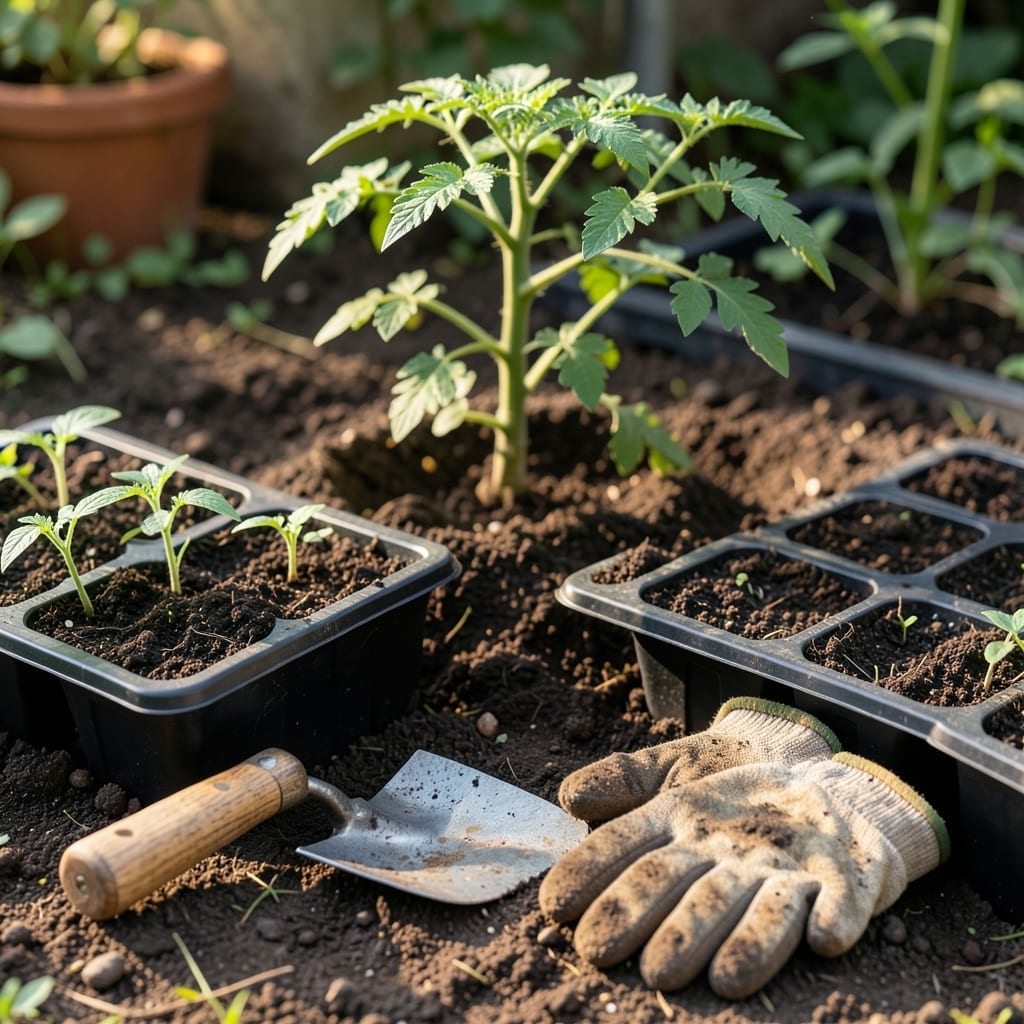
Timing is everything when planting your 🌱 General Garden in East Tennessee’s unique climate. Get it right, and you’ll enjoy a bountiful harvest all season long.
I’ve learned the hard way that planting too early or too late can spell disaster for your plants. The good news? There’s a simple seasonal calendar that takes the guesswork out of the process.
East Tennessee’s USDA Zone 7a gives us a long growing season, but we still need to work with nature’s rhythm. Spring and fall offer the best windows for most crops.
Discover the perfect timing to plant your General Garden and watch your efforts flourish like never before. Let’s get started.
East Tennessee’s USDA Zone 7a climate gives us a long growing season—about 180 frost-free days. I start my garden planning around the last frost date, which is typically April 15.
For cool-season crops, I plant as early as late February for hardy varieties like kale and spinach. These thrive in the cooler spring temps before summer heat kicks in.
| th” style=”background-color:#6fd544;color:#fff;padding:12px;text-align:center;”>Best Planting Months | tbody”> | ||
|---|---|---|---|
| td” style=”padding:12px;text-align:center;”>Feb – March | tr”> | td” style=”padding:12px;text-align:center;”>Warm-Season | td” style=”padding:12px;text-align:center;”>Tomatoes, Peppers, Beans |
| td” style=”padding:12px;text-align:center;”>June – July | tr”> | td” style=”padding:12px;text-align:center;”>Cool-Season | Broccoli, Carrots, Cabbage |
I always wait until after April 15 to plant warm-season crops like tomatoes and peppers. These need soil temps above 60°F to avoid stunted growth.
For fall planting, I count backward from our first frost date of October 15. Fast-maturing crops like radishes and spinach can still produce before winter.
East Tennessee’s summer heat can be intense. I focus on drought-tolerant plants like okra and black-eyed peas during July and August.
I’ve found succession planting works well here. After harvesting spring lettuce, I immediately plant bush beans for a continuous harvest through summer.
Don’t forget herbs! Basil and cilantro love our warm summers, but I plant dill in early spring or late fall to prevent bolting.
For perennial flowers and shrubs, I plant in early spring or fall. This gives roots time to establish before summer stress or winter dormancy.
I always mulch heavily in summer to retain soil moisture and suppress weeds. This is crucial during our dry spells in East Tennessee.
Remember, microclimates vary. My low-lying garden gets frost later than my neighbor’s hilltop plot. Adjust your timing based on your specific location 🌱
East Tennessee’s variable climate demands resilient plants that can handle both late frosts and summer heat. I’ve had great success with cold-hardy starters and heat-loving varieties tailored to our region.
For early spring, I rely on kale, spinach, and peas. These cool-season crops can survive light frosts and thrive in 40-60°F temps.
For summer heat, I turn to okra, sweet potatoes, and black-eyed peas. These thrive in 90°F+ temps and dry spells when other plants wilt.
I also love Swiss chard for its heat and cold tolerance. It’s a versatile green that produces from spring through fall with minimal care.
For late fall, I plant garlic in October. It overwinters and produces early summer bulbs with minimal effort.
Don’t overlook herbs like rosemary and thyme. These perennial herbs handle East Tennessee’s temperature swings beautifully 🌿