
Beautiful Plants For Your Interior
Beautiful Plants For Your Interior
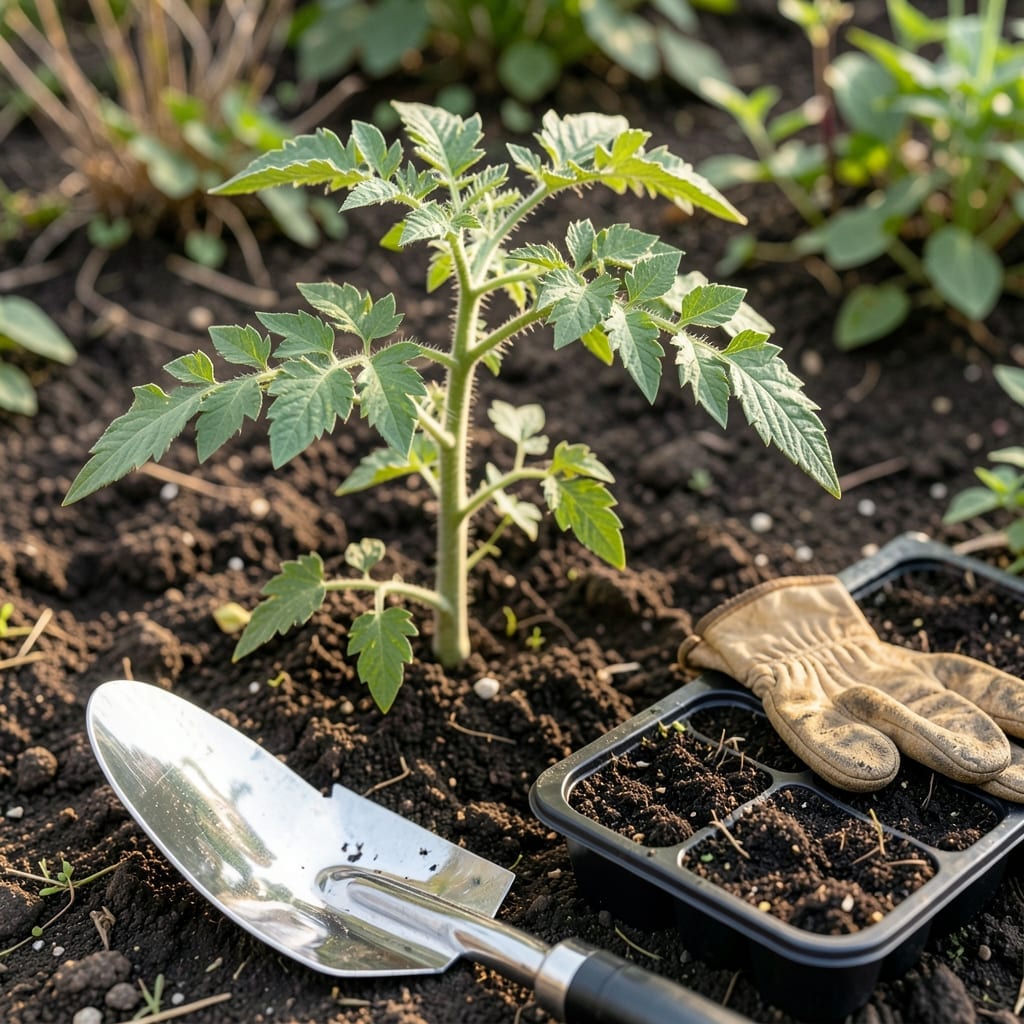
Timing is everything when planting your General Garden in Connecticut—plant too early and frost can wipe out your seedlings, too late and you’ll miss the best growing window. I’ve seen both scenarios play out, and neither is pretty.
Connecticut’s 6a-6b zones mean you’ve got to work with a tight schedule. The difference between a thriving garden and a struggling one often comes down to just a few weeks.
I’ll walk you through the most important dates and seasonal cues that Connecticut gardeners swear by. No more guessing when to get those seeds in the ground.
Discover how to align your planting with Connecticut’s unique climate, so your General Garden 🌱 has the best shot at success from the very first sprout.
Timing your Connecticut garden starts with knowing the last frost date, typically around April 20 for most of the state. This date is your green light for cool-season crops like lettuce and peas, which thrive in 40-50°F soil and can handle light frost.
For warm-season plants like tomatoes and peppers, wait until mid-May when soil temps hit 60°F+. This ensures your seedlings won’t get stunted by a late cold snap. I always check my soil thermometer before planting.
| Vegetable | Start Indoors | Transplant Outdoors | Direct Sow |
|---|---|---|---|
| Lettuce | March | April | April-May |
| Tomatoes | March | Mid-May | Not recommended |
| Peppers | March | Mid-May | Not recommended |
| Peas | Not needed | N/A | March-April |
| Cucumbers | April | May-June | May |
The first frost date in CT is usually around October 15, giving you about 180 frost-free days. This window is perfect for succession planting quick crops like radishes or spinach in late summer.
I’ve found that soil preparation in early spring is key. Add compost to warm the soil faster and improve drainage. Remember, cold soil slows seed germination, even for cool-season plants.
For perennials and shrubs, fall planting can be ideal. The cooler temps reduce stress, and roots establish before winter. Just finish planting 6 weeks before the first hard frost.
Don’t forget about flower gardens! Annuals like marigolds and zinnias can go in after the last frost, while perennial flowers often prefer fall planting for stronger roots.
In my experience, row covers can extend your season by 2-4 weeks in spring and fall. They protect against light frosts and keep soil warmer, letting you plant earlier or harvest later.
Always check your local weather before planting. Microclimates in CT can vary significantly, especially between coastal and inland areas. When in doubt, wait a few extra days.
With this schedule, I’ve had great success with bountiful harvests from my CT garden. The key is patience and paying attention to those frost dates and soil temperatures 🌱
Connecticut’s coastal areas often have milder winters and later frosts than inland regions, which can extend your planting window by 2-3 weeks in spring and fall.
Inland gardeners in higher elevations should expect earlier frosts and plan accordingly, while urban heat islands may allow for slightly earlier planting.
I always recommend using soil thermometers to check conditions—cool-season crops thrive at 40-60°F, while warm-season plants need at least 60-70°F.
For succession planting, sow fast-growing radishes or lettuce every 2 weeks to extend your harvest. This works especially well in CT’s moderate climate.
Don’t forget cold frames or hoop tunnels—these simple structures can add 4-6 weeks to your growing season on both ends.
Finally, keep an eye on local weather forecasts. Connecticut’s unpredictable springs mean I always have frost blankets ready just in case.☀️