
Beautiful Plants For Your Interior
Beautiful Plants For Your Interior
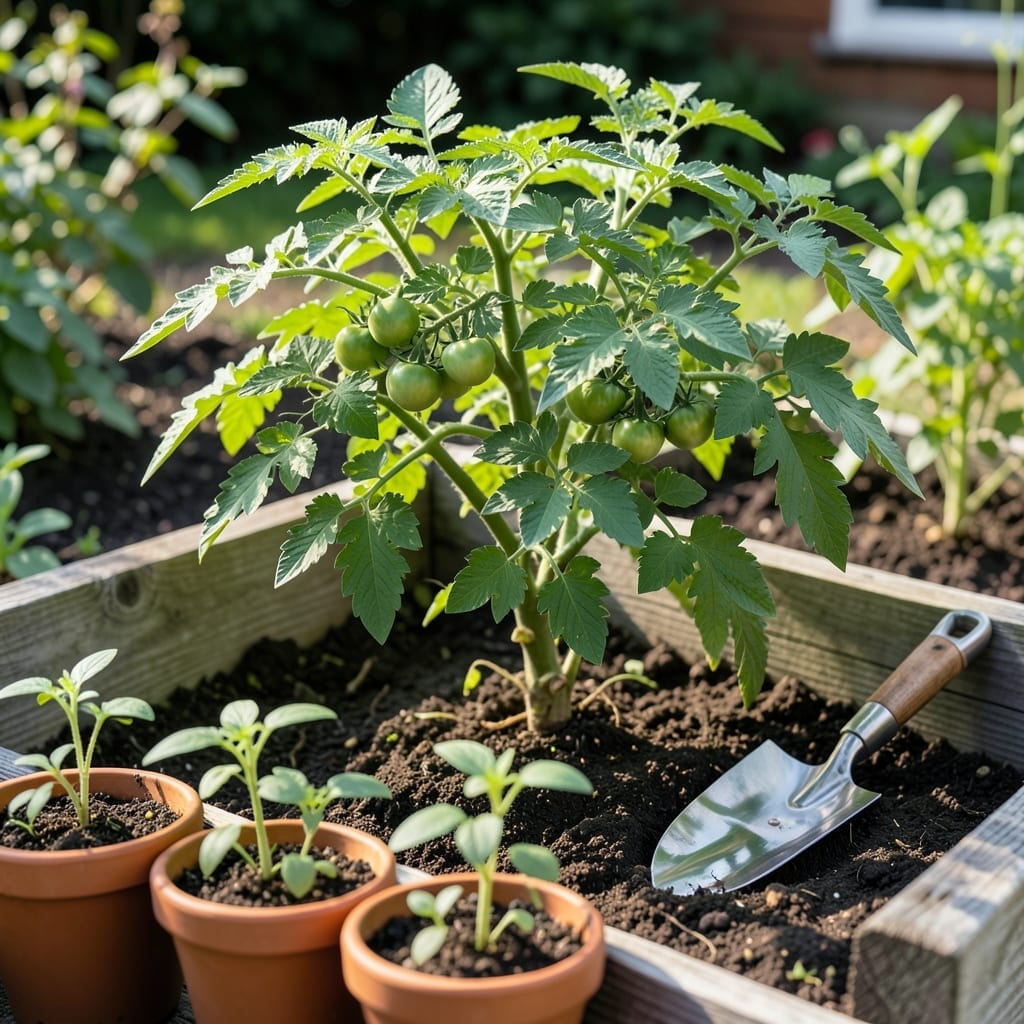
Timing is everything when planting a General Garden in Central Texas, where extreme heat and unpredictable weather can make or break your harvest.
Knowing the ideal planting windows for this unique climate ensures thriving plants and bountiful yields. With 240 frost-free days, you’ve got plenty of opportunities.
I’ve learned the hard way that planting too early or too late can mean the difference between success and failure. The 🌱 key is understanding your region’s specific needs.
Discover how to navigate Central Texas’s planting seasons and set your garden up for success from the very beginning.
In Central Texas, our USDA Zone 8a climate means we enjoy a long growing season with hot summers and mild winters. This gives us two main planting windows: spring and fall. The key is working around our last frost date of March 15 and first frost around November 15. 🌱
For cool-season crops like lettuce, broccoli, and carrots, I start planting in early February through March. These thrive in our cooler spring temperatures before the summer heat kicks in. For warm-season favorites like tomatoes and peppers, wait until after the last frost in mid-March. ☀️
| Season | Crop Type | Planting Window | Examples |
|---|---|---|---|
| Early Spring | Cool-season | Feb – March | Lettuce, kale, peas |
| Late Spring | Warm-season | April – May | Tomatoes, peppers, beans |
| Fall | Cool-season | Sept – Oct | Broccoli, carrots, spinach |
| Winter | Hardy annuals | Nov – Dec | Garlic, onions, cover crops |
Our fall planting season is just as important as spring. I begin sowing cool-season crops again in September through October. This gives plants time to establish before winter. Garlic and onions can even go in as late as November for a spring harvest. 🌿
For summer planting, focus on heat-tolerant varieties. I’ve had great success with okra, black-eyed peas, and sweet potatoes. These can handle our 100°F+ temperatures when many other plants wilt. Just
Our soil temperature is another critical factor. For warm-season crops, the soil needs to be at least 60°F. In Central Texas, this usually happens by mid-March. For cool-season crops, aim for soil temps between 40-50°F. A soil thermometer is an invaluable tool I always keep handy.
Don’t forget about succession planting! In our long growing season, I often plant fast-growing crops like radishes and bush beans every 2-3 weeks for continuous harvests. This technique works especially well with spring and fall plantings when temperatures are more moderate.
For herbs, most can be planted year-round in Central Texas, though basil and other tender herbs prefer the warmer months. Rosemary, thyme, and oregano are more cold-hardy and can survive our mild winters with proper care.
Remember that microclimates can vary significantly across Central Texas. Areas near Austin might have slightly different conditions than those near Waco or San Antonio. I always recommend checking with your local county extension office for the most accurate information for your specific area. ✂️
Finally, keep in mind that our growing season is about 240 days long. This gives us plenty of time to experiment with different crops and planting times. I’ve found that keeping a garden journal helps me track what works best in my particular spot year after year.
When Central Texas summers hit 100°F+, most plants struggle—but some thrive in the heat. I’ve found that choosing the right varieties makes all the difference in keeping a productive garden during our hottest months. ☀️
These heat-loving plants not only survive but often produce their best yields when temperatures soar. The key is selecting drought-resistant and heat-tolerant varieties that can handle our intense sun and limited rainfall. 🌱
For soil preparation, I always amend with organic matter before summer planting. This helps retain moisture and provides essential nutrients during stressful conditions. A 2-3 inch layer of mulch is crucial to keep roots cool. 🌿
Watering deeply in the early morning gives plants the best chance to absorb moisture before the midday heat evaporates it. I aim for about 1-2 inches of water per week, adjusting for rainfall. Drip irrigation works best to deliver water directly to roots.
Don’t overlook shade cloth for particularly sensitive plants. I use 30-50% shade cloth during peak afternoon hours to protect young seedlings or heat-stressed plants. This simple addition can prevent sunburn on leaves and reduce water loss.
Remember that even heat-tolerant plants need some relief. Planting in blocks or clusters rather than single rows creates a microclimate that retains moisture and provides some shade. This technique has significantly improved my summer garden success.