
Beautiful Plants For Your Interior
Beautiful Plants For Your Interior
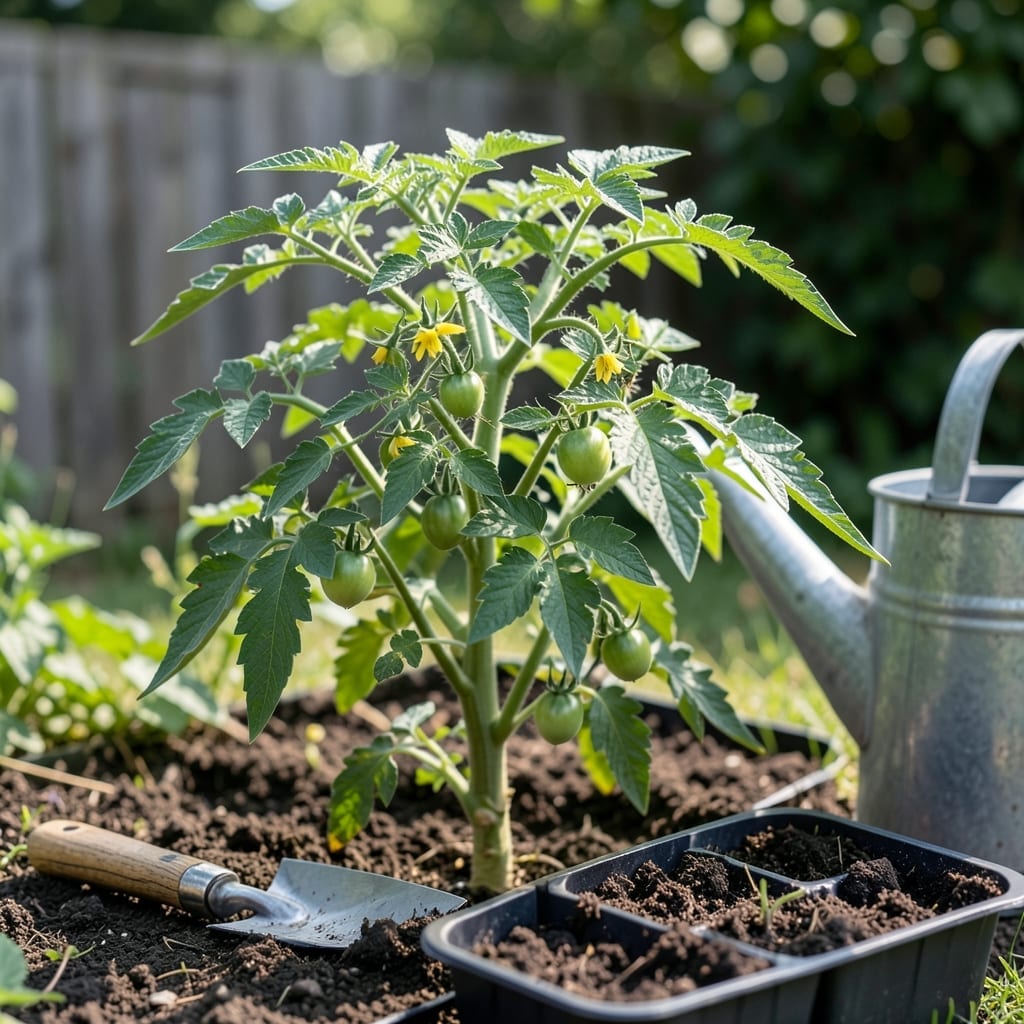
Timing is everything when planting your General Garden in Arkansas. The state’s unique climate zones can make or break your harvest, so knowing the right windows is the key to success.
Whether you’re sowing cool-season crops or heat-loving vegetables, planting at the optimal time ensures thriving plants. In zones 7b-8a, timing aligns with frost dates and seasonal shifts.
I’ve found that spring planting from March to April works beautifully for many crops, while late summer offers a second chance. Let me show you how to align your efforts with Arkansas’ growing rhythm.
You’ll discover how to maximize your yields by working with nature’s schedule rather than against it. The difference in your garden’s success will speak for itself.
Arkansas spans USDA zones 6 through 8, giving us a mix of mild winters and hot summers. This range means last frost dates vary from mid-March in the south to mid-April in the north. Knowing your exact zone helps you time plantings perfectly for maximum yield and minimal risk. 🌱
In Zone 6 (northern Arkansas), cool-season crops like lettuce and peas can go in early March, while tomatoes and peppers should wait until after April 15. The growing season here is shorter, so starting seeds indoors gives you a head start. 🌿
| Zone | Last Frost | Cool-Season Planting | Warm-Season Planting |
|---|---|---|---|
| Zone 6 | April 15 | March 1-15 | April 16-May 1 |
| Zone 7 | April 1 | February 15-March 1 | April 1-15 |
| Zone 8 | March 15 | February 1-15 | March 16-April 1 |
For Zone 7 (central Arkansas), last frost typically hits around April 1. I start broccoli and cabbage indoors in late February for transplanting in early March. Beans and squash thrive when planted after April 1 when soil warms up. ☀️
In Zone 8 (southern Arkansas), we enjoy the longest growing season. First frost arrives around November 1, so I plant cool-season crops like spinach in early February and heat-lovers like okra as early as March 16. The mild winters allow for year-round gardening with proper protection. 🌡️
Soil temperature is just as important as air temperature. Cool-season crops germinate best in 40-75°F soil, while warm-season crops need at least 60°F. I use a soil thermometer to check before planting. This simple tool prevents poor germination and stunted growth. 🌱
Microclimates can create variations even within the same zone. Low-lying areas may experience earlier frosts, while urban heat islands can extend the growing season. I always observe my garden’s specific conditions and adjust planting times accordingly. ✂️
Frost-free dates are guidelines, not guarantees. I watch local weather forecasts and have frost protection ready, like row covers or cloches. A surprise late frost can devastate tender seedlings, so it’s better to be prepared. 🌧️
For fall plantings, count backward from your first frost date. Cool-season crops like kale and carrots need 6-8 weeks to mature. In Zone 6, I plant these in late July for a fall harvest before winter sets in. 🌿
Remember, these dates are based on averages. Weather patterns can shift from year to year. I keep a garden journal to track my planting dates and results, which helps me refine my schedule over time. This practice has made my Arkansas garden more productive and resilient. 🌻
In Arkansas, I plan my garden around three distinct growing seasons. Spring is perfect for cool-season crops like lettuce and peas, while summer welcomes heat-loving plants such as tomatoes and peppers.
Fall brings another window for cool-season vegetables, and even winter offers opportunities for hardy greens in milder zones. Timing aligns with frost dates and soil warmth.
I always check the last frost date—typically April 15 in most areas—to know when to plant tender annuals. Starting seeds indoors 6-8 weeks before this date gives them a head start.
For warm-season crops, I wait until soil temperatures reach at least 60°F. This ensures optimal germination and prevents stunted growth from cold shock.
In late summer, I plant a second wave of cool-season crops. Timing is crucial—sow 6-8 weeks before the first fall frost (around November 1) for a successful harvest.
I use succession planting to extend my harvest. For example, I plant bush beans every 2 weeks through early summer for continuous production.
Remember, microclimates matter in Arkansas. Low-lying areas may have earlier frosts, while urban spots often stay warmer longer. Adjust your schedule accordingly.