
Beautiful Plants For Your Interior
Beautiful Plants For Your Interior
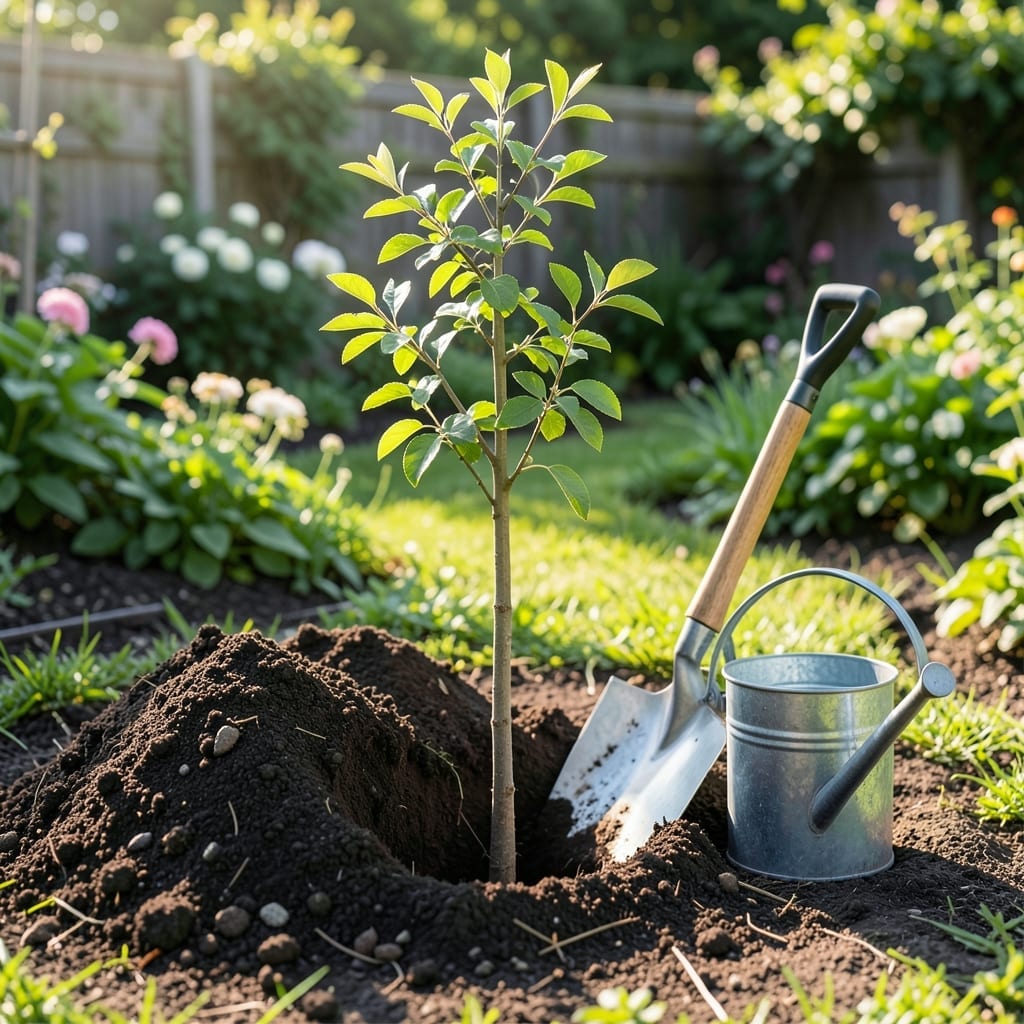
Timing is everything when planting Fruit Trees in Zone 6, where cold winters and moderate summers create unique growing conditions.
Plant too early or too late, and your 🌳 Fruit Trees may struggle to establish roots. The key is finding that sweet spot when the soil is workable and temperatures are just right.
I’ve seen gardeners make the mistake of rushing into planting without considering the seasonal rhythms of Zone 6. It’s not just about when you want to plant, but when the conditions are ideal.
Discover the precise windows that give your Fruit Trees the best chance to thrive, whether you’re planning for spring or fall. Let’s get your orchard off to the right start.
In Zone 6, timing your fruit tree planting can make all the difference. I always recommend focusing on two key windows: early spring and fall. These periods offer the best conditions for root establishment before extreme temperatures hit.
Spring planting should occur after the last frost, typically around mid-April in Zone 6. This gives roots time to grow before summer heat. Fall planting works best 4-6 weeks before the first frost, usually in September or October. 🌳
| Fruit Tree | Best Planting Time | Soil Temp |
|---|---|---|
| Apple | Early spring or fall | 50-60°F |
| Pear | Early spring or fall | 50-60°F |
| Peach | Early spring only | 55-65°F |
| Cherry | Early spring only | 55-65°F |
Apple and pear trees are the most flexible, thriving in both spring and fall plantings. Their hardiness makes them ideal for Zone 6’s variable climate. I’ve had great success planting apple trees in early October.
Peach and cherry trees are more sensitive to cold. I always plant these in early spring, right after the last frost. The warmer soil helps their roots establish quickly before summer arrives.
For fall planting, aim to finish at least 6 weeks before the first frost. This gives roots enough time to grow before winter dormancy. Remember, the soil should be workable and not frozen or waterlogged.
Soil temperature is crucial. For most fruit trees, 50-60°F is ideal. You can use a soil thermometer to check. If the soil is too cold, roots won’t grow, and your tree may not establish properly.
I always prepare the planting site in advance. In spring, I work the soil as soon as it’s thawed. For fall planting, I start site prep in late summer. This ensures the area is ready when the optimal planting window arrives.
Watering is critical after planting. New trees need consistent moisture for the first year. I water deeply once a week, more often in hot weather. Mulching helps retain moisture and regulate soil temperature. ✂️
Remember, these are general guidelines. Your local microclimate may vary. If you live in a particularly windy area or have heavy clay soil, you might need to adjust your timing slightly. When in doubt, consult your local extension office for hyper-local advice.
In Zone 6, both spring and fall offer viable windows for planting fruit trees, but each season has distinct advantages that could make or break your orchard’s success.
I always recommend considering your specific fruit tree varieties and local microclimate before deciding. Some trees like apples and pears thrive with fall planting, while peaches often prefer spring.
For spring planting, aim for March to early April, right after the last frost when the ground is workable. This gives your trees the entire growing season to establish roots before summer heat.
If you prefer fall planting, September to October is ideal. The soil stays warm while air temperatures cool, perfect for root development without stressing the tree.
Remember, dwarf varieties often establish faster than standard sizes, making them more forgiving for both seasons. Always mulch heavily after planting to retain moisture and protect roots.
Ultimately, the best season depends on your ability to provide consistent care. If you can commit to regular watering, spring planting often yields the strongest first-year growth.
For busy gardeners, fall planting might be easier with cooler temperatures and natural rainfall doing some of the work for you 🌳