
Beautiful Plants For Your Interior
Beautiful Plants For Your Interior
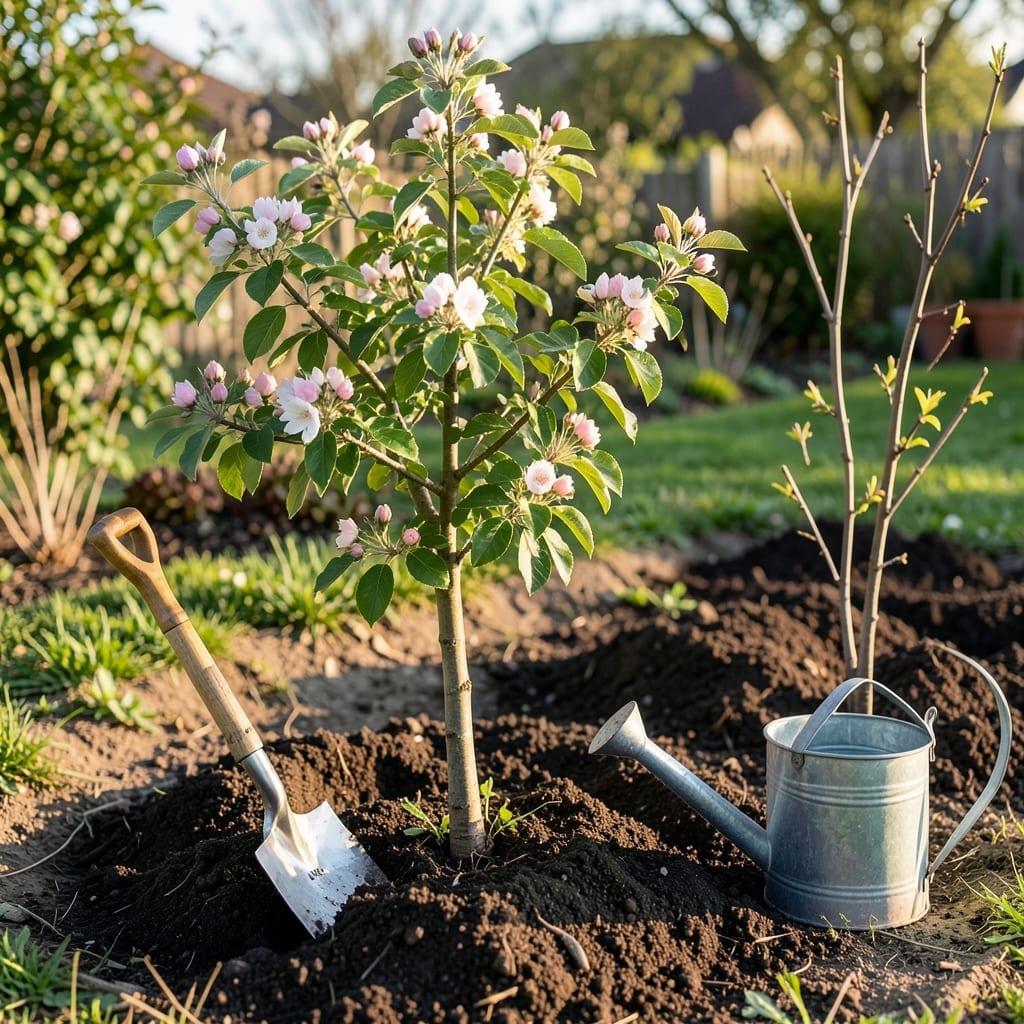
Timing is everything when planting 🌳 Fruit Trees in Wisconsin’s unpredictable climate. Plant too early or too late, and you risk stunting growth or losing your investment to frost.
Wisconsin’s zones 4a-5b present unique challenges, but getting the timing right can make all the difference. Whether you’re dreaming of crisp apples or juicy cherries, the planting window is narrow and critical.
I’ll walk you through the exact seasonal windows that work best for different varieties. From soil prep to frost dates, these are the factors that separate thriving orchards from struggling saplings.
Discover how to align your planting schedule with Wisconsin’s climate for healthier trees and bountiful harvests. Let’s get started.
Wisconsin’s zones 4a-5b demand precise timing for fruit tree planting. The best windows are early spring (April-May) or early fall (September-October), avoiding extreme temperatures and frost.
Spring planting allows trees to establish roots before summer heat. Fall planting gives roots a head start before winter dormancy, but must be done 6 weeks before the first frost.
| Zone | Spring Planting | Fall Planting | Last Frost |
|---|---|---|---|
| 4a | Mid April – Early May | Late August – Early September | May 15 |
| 4b | Early April – Mid May | Early September – Early October | May 10 |
| 5a | Late March – Early May | Mid September – Mid October | May 5 |
| 5b | Late March – Mid May | Late September – Early October | April 30 |
In zone 4a, wait until mid-April for spring planting when the soil is workable. The fall window closes by early September to avoid winter damage to young trees.
Zone 4b gardeners can start early April for spring planting. Fall planting extends to early October, but always aim to finish 6 weeks before the first frost date.
For zone 5a, the spring window opens in late March. Fall planting can stretch to mid-October, but watch for early cold snaps that can stress new plantings.
Zone 5b offers the longest windows: late March for spring and late September for fall. The milder climate allows more flexibility, but still avoid planting during extreme heat or cold.
Remember, soil temperature should be above 40°F for root growth. Use a soil thermometer to check conditions before planting. Mulch heavily after fall plantings to insulate roots.
Apple and pear trees thrive with spring planting in all zones. Cherry trees do best in zones 4b-5b with early spring or fall planting. Plum trees prefer spring planting in zones 4a-5a.
Always water deeply after planting and maintain consistent moisture during the first growing season. This helps establish a strong root system before winter or summer stress.
Monitor weather forecasts closely, especially during fall planting. An early frost can damage young trees not yet acclimated to their new home.
Wisconsin’s cold-hardy climate thrives with specific fruit tree varieties. I’ve found Honeycrisp apples and Montmorency cherries perform exceptionally well across most zones when planted at the right time.
For zones 4a-4b, stick with hardy varieties like Goodland apples or Meteor cherries. These tolerate the colder winters and shorter growing seasons.
| Variety | Zone | Best Planting Time | Mature Size |
|---|---|---|---|
| Honeycrisp Apple | 4a-5b | Early Spring | 15-20 ft |
| Montmorency Cherry | 4b-5b | Early Spring/Fall | 12-18 ft |
| Bartlett Pear | 4a-5a | Spring Only | 15-20 ft |
| Stanley Plum | 4a-5b | Early Spring | 12-15 ft |
Dwarf varieties like Columnar apples work well in smaller spaces and can be planted in containers. These are ideal for urban gardeners or those with limited yard space.
For zone 5b, you can experiment with semi-dwarf peaches like Reliance. These need full sun and well-drained soil but reward with sweet fruit.
Fall planting works best for bare-root trees, while container-grown can go in either season. Always check your local nursery for zone-appropriate stock.