
Beautiful Plants For Your Interior
Beautiful Plants For Your Interior
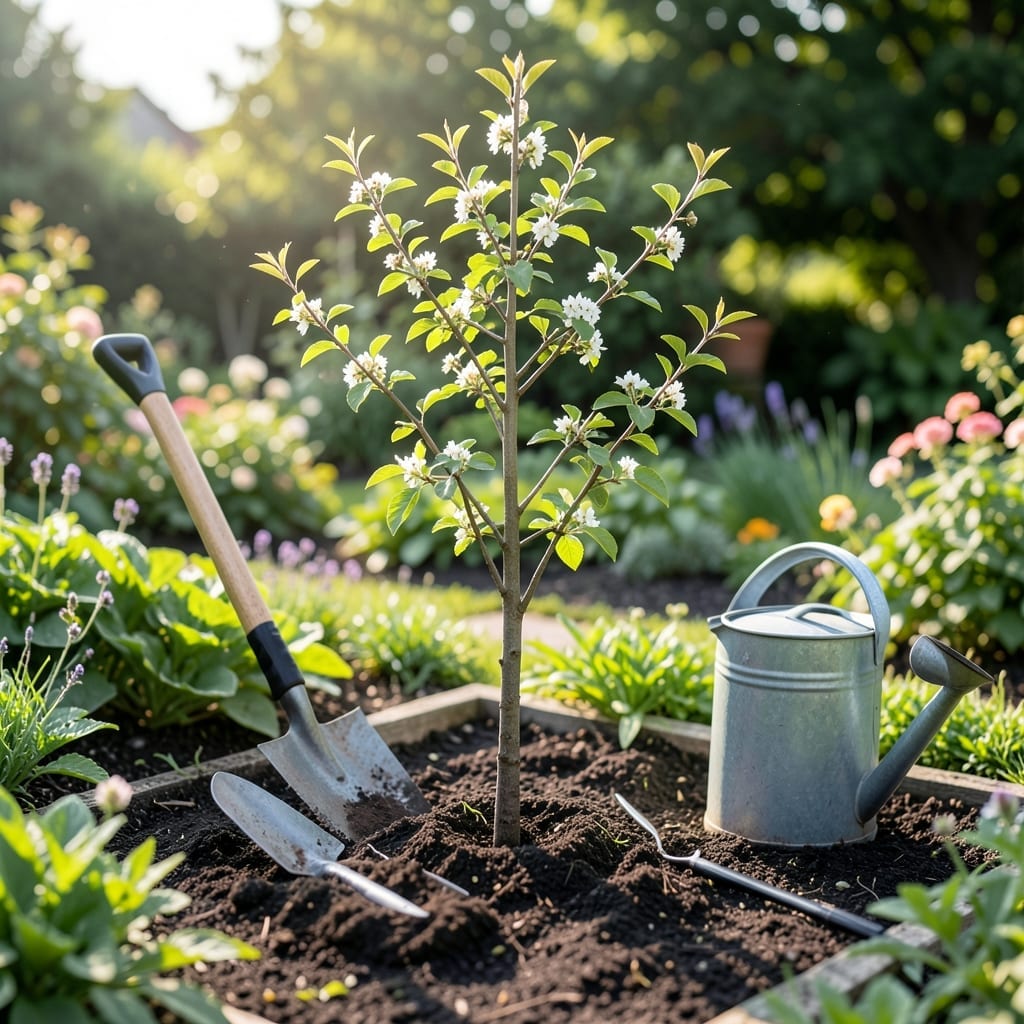
Timing is everything when you’re planting 🍎 Fruit Trees in Washington’s varied climate. The difference between a thriving orchard and a struggling sapling often comes down to just a few weeks.
From the misty western valleys to the sun-drenched eastern plains, our state’s unique zones 7b-9a demand careful planning. Plant too early, and frost might claim your new trees. Wait too long, and the summer heat could stress them.
I’ve seen gardeners make these mistakes time and again, but the solution is simpler than you think. The sweet spot exists between nature’s last gasp of winter and the first warm days of spring.
Discover exactly when to get those roots in the ground for the strongest start possible. Your future harvests depend on this one decision.
Washington’s varied climate means there’s no one-size-fits-all answer for planting fruit trees. The western region, with its mild, wet winters, offers a different window than the eastern plains, where cold snaps and dry air dominate. I’ve learned that timing is everything.
For most areas, late winter to early spring is ideal, right after the last frost when the soil becomes workable. But the exact dates shift depending on where you’re planting. Let’s break it down by zone so you can get it right.
| Region | Best Planting Time | Frost Considerations | Soil Readiness |
|---|---|---|---|
| Western WA | March-April | Last frost: April 15 | Workable after winter rains |
| Central WA | Late March-Early April | Last frost: April 1-15 | Drier, warms faster |
| Eastern WA | April-May | Last frost: May 1 | Needs thawing, often dry |
In Western Washington, the window opens earlier because of milder temperatures. I’ve found that March to early April works best here, just after the last frost date around April 15. The soil stays moist from winter rains, which helps roots establish.
For Central Washington, aim for late March to early April. The frost typically ends by mid-April, and the soil warms up faster than in the west. This region’s drier climate means you’ll need to water consistently after planting.
In Eastern Washington, the colder winters push the ideal planting time to April through May. The last frost often hits around May 1, so waiting ensures your trees won’t face a late cold snap. The soil here is often dry, so pre-watering the planting hole is a smart move.
Fall planting can work in some areas, but I only recommend it for Western Washington. The mild winters allow roots to grow before dormancy. In colder regions, fall planting risks winter heaving or frost damage to young trees.
Always check the soil temperature—it should be at least 40°F for root growth. If the ground is still frozen or waterlogged, wait. Patience here prevents long-term problems like stunted growth or disease.
Another tip: Bare-root trees need to go in the ground as soon as you buy them, while container-grown trees can wait a bit longer. Either way, getting the timing right sets your orchard up for years of success. ☀️
If you’re unsure, consult your local extension office for hyper-local advice. They’ll know the microclimates and quirks of your specific area better than any general guide.
Remember, the best time to plant a tree was 20 years ago—but the second-best time is during your region’s ideal window. Get it right, and you’ll be harvesting juicy, homegrown fruit for decades to come. 🌳
Washington’s diverse climate zones support a wide range of fruit trees, but each variety thrives best when planted at the right time. I’ve found that apples and pears do particularly well in our cooler western regions.
The key is matching chill hour requirements to your specific area. For example, cherries need more winter chill, making them perfect for central Washington. Meanwhile, stone fruits like peaches prefer the warmer eastern valleys.
| Variety | Ideal Months | Chill Hours | Best Region |
|---|---|---|---|
| Apples | March-April | 500-1000 | Western WA |
| Cherries | Late Feb-March | 800-1200 | Central WA |
| Peaches | April | 400-700 | Eastern WA |
For disease resistance, I recommend Liberty apples in wetter areas and Montmorency cherries where fungal issues are common. These varieties have proven themselves in Washington’s challenging conditions.
The semi-dwarf rootstocks work well in most home gardens, reaching 12-18 feet at maturity. They’re easier to manage than full-size trees while still producing abundant fruit.
Remember that soil drainage is crucial, especially in our rainy western valleys. I always amend planting holes with compost to improve drainage before setting in new trees.
Finally, don’t forget about pollination needs. Most apple varieties need a different variety nearby for cross-pollination. I plant compatible varieties within 50 feet of each other for best results.
🌳