
Beautiful Plants For Your Interior
Beautiful Plants For Your Interior
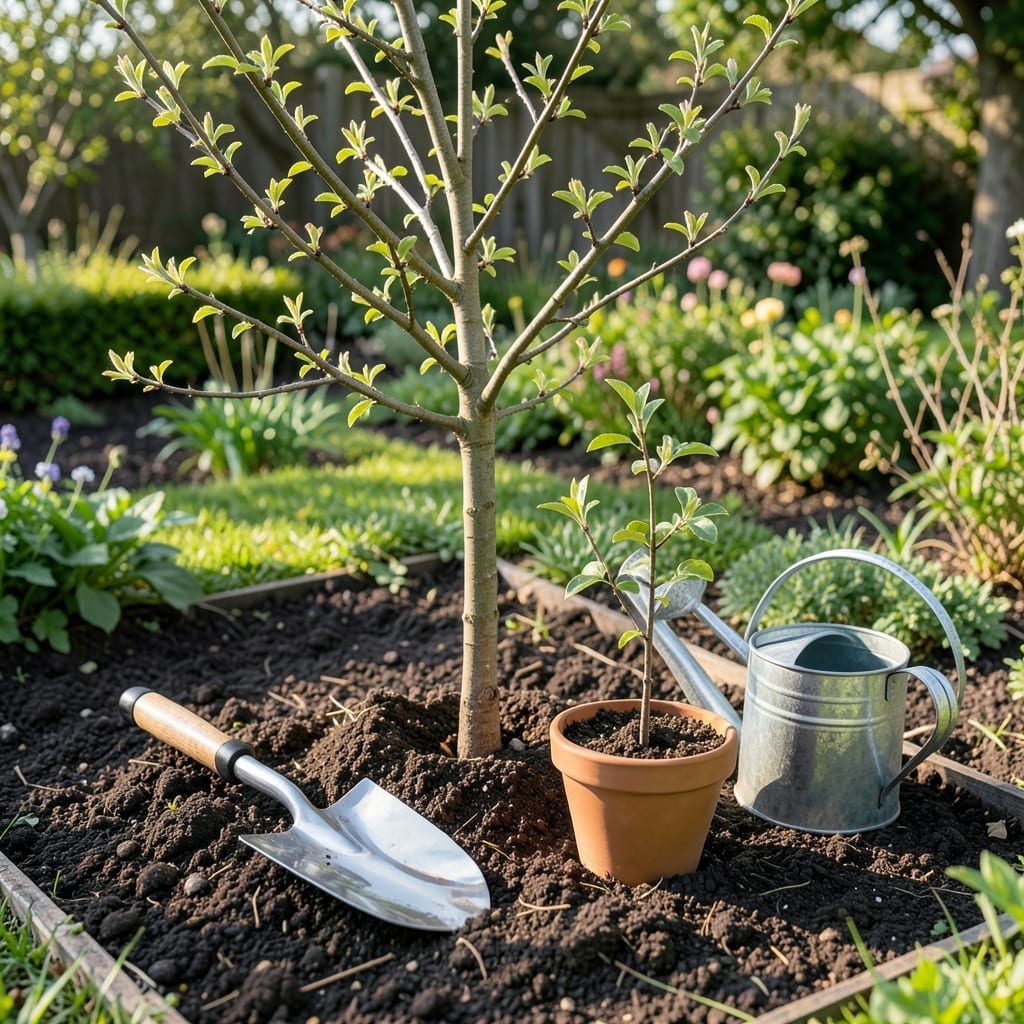
Timing is everything when planting 🌳 Fruit Trees in Washington State, where diverse climates demand precision. Plant too early or too late, and you risk stunted growth or frost damage.
In zones 7b-9a, the window from late winter to early spring offers the best chance for success. This timing allows roots to establish before summer heat or fall rains complicate growth.
I’ve seen firsthand how proper scheduling can make or break a young orchard. The difference between thriving and struggling often comes down to those few critical weeks.
Let me share the exact timing and techniques that work best for Washington’s unique conditions. Your future harvest depends on getting this right.
Washington State’s diverse USDA zones from 4 to 9 mean planting windows vary dramatically. In Western WA (zones 7-9), I recommend late winter to early spring for bare-root trees, just as the soil becomes workable. This timing avoids waterlogged conditions from heavy winter rains.
The Columbia Basin and Eastern WA (zones 4-6) have harsher winters and hotter summers. Here, I plant dormant bare-root trees in early spring (March-April) to prevent frost damage to new growth.
| Region | USDA Zone | Best Planting Window | Tree Type |
|---|---|---|---|
| Western WA | 7-9 | Jan-Mar | Bare-root |
| Columbia Basin | 5-6 | Mar-Apr | Bare-root |
| Eastern WA | 4-6 | Apr-May | Container |
| High Elevation | 4-5 | May-Jun | Container |
For container-grown trees, I extend the window to late spring in all regions. The established root system handles transplant shock better, but I always avoid summer planting due to heat stress and watering demands.
In zone 4 areas like the Cascade Mountains, I wait until May or June when the threat of frost has completely passed. The shorter growing season means every day counts for root establishment before winter.
Bare-root trees require planting during dormancy, which is typically December to March in milder zones. I soak the roots for 6-12 hours before planting to rehydrate them after storage.
In wet Western WA, I avoid late fall planting as excessive rain can rot roots before they establish. The Puget Sound region’s mild winters allow for January planting if the ground isn’t frozen or soggy.
Eastern WA’s hot summers and cold winters create a unique challenge. I find April planting ideal for apple and pear trees, giving them time to establish before summer heat and winter cold.
For cherry and peach trees, I stick to early spring (March) in zones 7-8, as they’re more frost-sensitive. In colder zones, I opt for hardy cultivars like Lapins cherries or Reliance peaches and plant in April.
Remember that microclimates can shift these windows. I always check my specific location’s last frost date and soil temperature. A soil thermometer is my go-to tool—aim for 40°F+ at planting depth.
Proper timing sets your fruit trees up for decades of production. In Washington’s varied climate, this attention to detail makes all the difference 🌳
Washington State’s diverse USDA zones 4-9 allow for a wide range of fruit trees. I’ve found that selecting the right cultivar for your region is just as important as timing your planting correctly. Cold-hardy varieties thrive in the mountains, while heat-tolerant types excel in the Columbia Basin.
For example, Honeycrisp apples and Bartlett pears do well in the cooler, wetter western zones, while Rainier cherries and Elberta peaches prefer the warmer, drier eastern areas. Always check your local microclimate for the best results.
If you’re in Western Washington, focus on disease-resistant varieties like Liberty apples or Moonglow pears. These handle the wet climate better than others. I always recommend bare-root planting in late winter for the best establishment.
In Eastern Washington, the drier climate means you can plant slightly earlier. Container-grown trees work well here, especially if you’re dealing with poor soil. Just ensure they get full sun and consistent watering.
For high-elevation areas, stick to dwarf varieties like Columnar apples or Compact Stark Crimson nectarines. These are bred to handle shorter growing seasons and cooler temperatures more effectively.
No matter where you are in the state, soil preparation is key. I always test my soil’s pH and drainage before planting. Fruit trees generally prefer a pH of 6.0-7.0 and well-draining loam. 🌳