
Beautiful Plants For Your Interior
Beautiful Plants For Your Interior
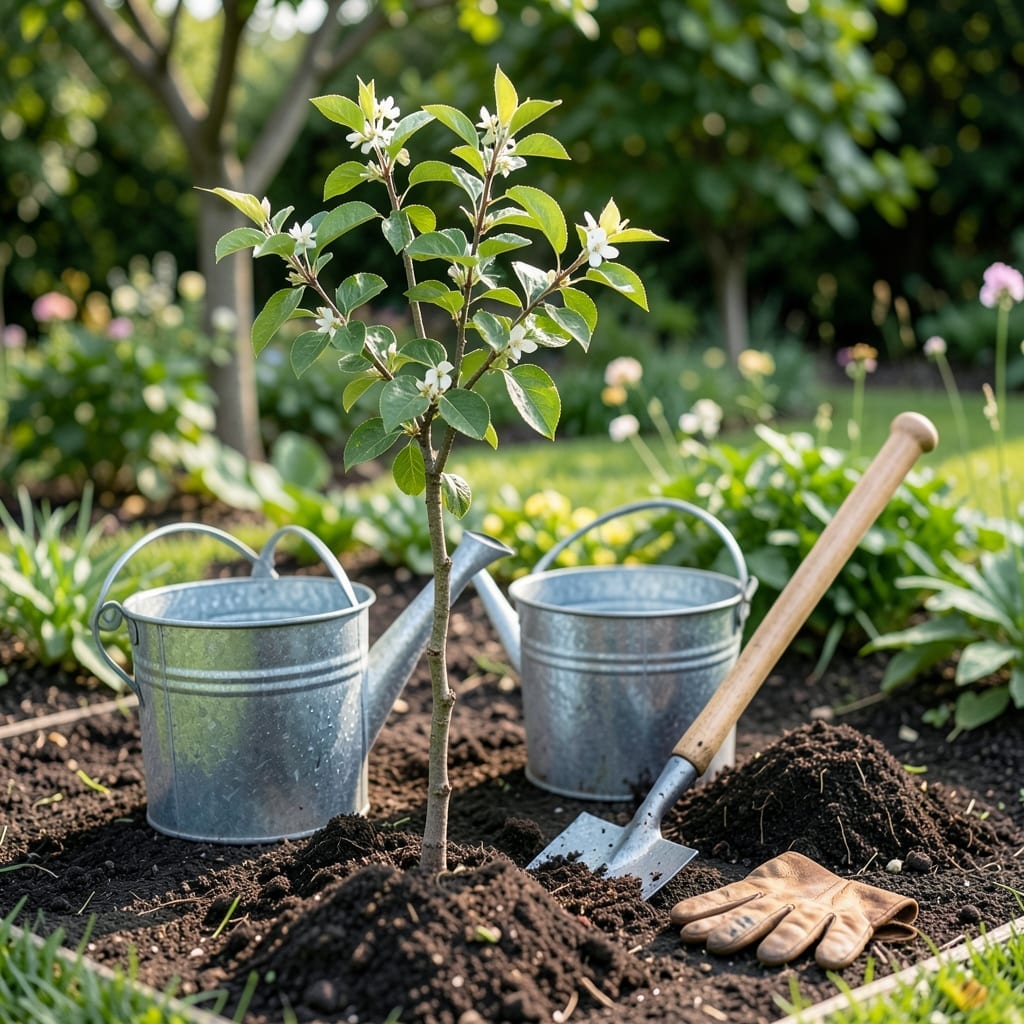
Timing is everything when planting 🍎 Fruit Trees in South Australia’s unique Mediterranean climate. Get it right, and you’ll enjoy bountiful harvests for years to come.
Plant too early or too late, and your trees may struggle to establish strong roots. The window is narrow but critical for long-term success.
I’ve seen firsthand how the right timing transforms a garden. In zones 9-10, the winter months offer the best conditions for planting.
Let me walk you through the most important factors to consider for thriving Fruit Trees in this region. The difference is in the details.
In South Australia, the best time to plant fruit trees depends on the type. Deciduous trees like apples and pears thrive when planted in winter dormancy. This gives roots time to establish before spring growth.
For evergreen varieties like citrus, late winter or early spring works well. The soil is still cool but warming up, which encourages strong root development. Stone fruits such as peaches and plums also prefer this window.
| Tree Type | Best Planting Months | Key Notes |
|---|---|---|
| Deciduous (Apples, Pears) | June–August | Plant during dormancy |
| Citrus (Oranges, Lemons) | July–September | Avoid frost-prone areas |
| Stone Fruits (Peaches, Plums) | June–August | Needs well-draining soil |
| Subtropical (Mangoes, Avocados) | August–October | Protect from cold snaps |
I always recommend bare-root trees for winter planting. They’re easier to handle and establish quickly in cool, moist soil. Container-grown trees can go in year-round but need extra care in summer.
Adelaide’s climate is ideal for most fruit trees, but the Mount Lofty Ranges can be cooler. If you’re in a frost-prone area, delay planting until after the last frost date, usually mid-October.
For subtropical varieties like mangoes, wait until late winter or early spring. These trees hate cold soil, so planting too early can stunt growth. A sheltered spot helps them thrive in cooler zones.
Soil temperature is a critical factor. Aim for 10–15°C at planting depth. Use a soil thermometer to check—it’s a game-changer for timing your planting just right.
If you’re planting multiple trees, space them according to their mature size. Dwarf varieties need 8–10 feet, while standard trees require 15–20 feet. Proper spacing ensures good airflow and reduces disease risk.
Finally, water deeply after planting and mulch to retain moisture. This is especially important in South Australia’s dry summers. A thick layer of organic mulch keeps roots cool and conserves water. ☀️
With the right timing and care, your fruit trees will reward you with years of abundant harvests. It’s all about working with the climate, not against it. 🌳
South Australia’s diverse climate zones create unique challenges for planting fruit trees. From Adelaide’s mild winters to the arid outback, timing varies significantly by region.
The Mount Lofty Ranges experience cooler temperatures and higher rainfall, while arid zones demand drought-tolerant varieties. Understanding your local microclimate is key.
| Region | Best Planting Months | Key Consideration |
|---|---|---|
| Adelaide | June-August | Mild winters, avoid frost |
| Mount Lofty | May-July | Cooler, higher rainfall |
| Arid Zones | July-August | Early to avoid heat stress |
In Adelaide’s metropolitan area, the ideal window is June to August, when soil is moist but not waterlogged. This gives roots time to establish before spring growth.
The Mount Lofty Ranges can support planting as early as May, but watch for late frosts. These can damage new growth on tender stone fruit varieties.
For arid regions, planting in July-August helps trees establish before the intense summer heat. Always choose drought-resistant rootstocks here.
I always recommend checking your local frost dates and soil temperature. A soil thermometer is an inexpensive tool that can save you from costly mistakes.
Remember, these are guidelines. Your specific microclimate and tree variety may require adjustments. When in doubt, consult a local nursery. ☀️