
Beautiful Plants For Your Interior
Beautiful Plants For Your Interior
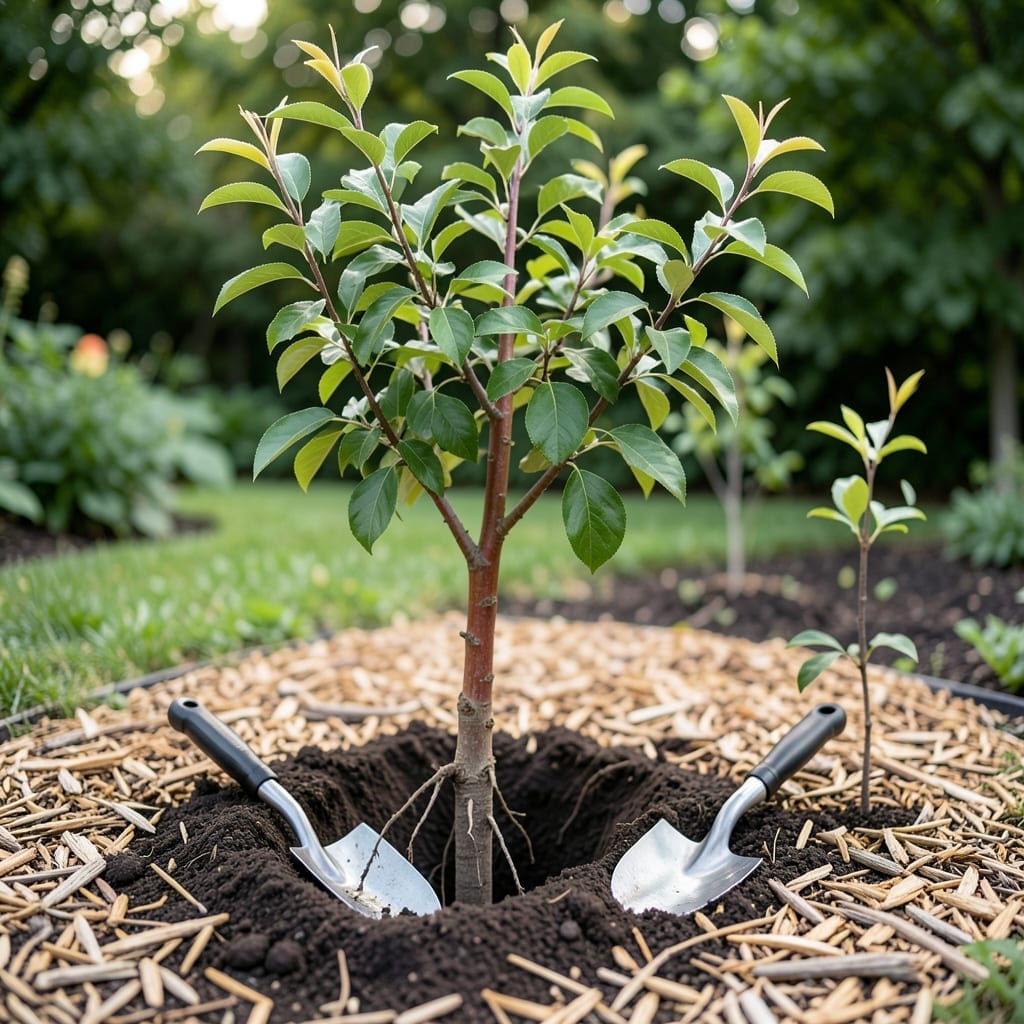
Timing is everything when planting Fruit Trees in South Carolina—get it right, and you’ll enjoy bountiful harvests for years to come. Get it wrong, and you risk stunted growth, disease, or even tree loss.
Our state’s unique climate, spanning zones 7b-8a, demands precision. Plant too early or too late, and your 🍎 Fruit Trees may struggle to establish strong roots before summer heat or winter cold sets in.
I’ve seen firsthand how the right timing transforms a backyard into a thriving orchard. Whether you’re in the Upstate or the Lowcountry, knowing your window is the key to success.
Let me walk you through the ideal months and strategies to ensure your trees flourish from day one. You’ll discover why late winter often beats spring for long-term health.
South Carolina’s diverse climate means planting windows vary by region. The Coastal zone enjoys milder winters, while the Upstate faces colder temperatures. This affects when your fruit trees can establish roots safely.
For most areas, late winter (January to early March) is ideal. This timing allows roots to grow before summer heat stress while avoiding late frosts. Dormant planting reduces transplant shock significantly.
| Region | Ideal Months | Key Consideration |
|---|---|---|
| Coastal | Dec-Feb | Mild winters, earlier last frost |
| Piedmont | Jan-Mar | Moderate frost risk, well-drained soil |
| Upstate | Feb-Apr | Later frosts, colder winters |
The Coastal region benefits from planting as early as December. Warmer soils encourage root growth, and the frost-free period starts sooner. I’ve seen fig trees thrive with this timing.
In the Piedmont, January through March is your sweet spot. The soil is workable, and trees can establish before summer droughts. Peach trees do particularly well here with this schedule.
The Upstate requires more caution. Wait until February to avoid winter kill. Apple trees need this extra protection. Always check your local frost dates to be precise.
Bare-root trees must go in during dormancy. This means winter planting is non-negotiable for these. Container-grown trees offer more flexibility but still prefer cooler months.
Remember, soil temperature matters more than air temperature. Aim for 40-60°F soil temps for best results. A simple soil thermometer can be your best investment.
I always recommend marking your calendar for January 15th as the start of planting season in most areas. This gives you a buffer against unpredictable SC weather swings.
For late plantings, April can work but requires extra attention to watering and mulching. The tree will need more care to combat summer stress.
No matter your region, avoid planting during active growth periods. This stresses the tree and reduces survival rates. Patience with timing always pays off in healthier, more productive trees.
🌳South Carolina’s warm climate is perfect for growing a variety of fruit trees. I’ve found that peaches, figs, pears, and persimmons do exceptionally well here, with each having its own ideal planting window.
For example, peach trees thrive when planted in late winter, while fig trees can handle a slightly wider window due to their hardiness. The key is matching the tree to your specific region within the state.
| Variety | Best Planting Time | Regional Suitability |
|---|---|---|
| Peach | Jan-Mar | Piedmont, Upstate |
| Fig | Feb-Apr | Coastal, Piedmont |
| Pear | Dec-Feb | All regions |
| Persimmon | Nov-Mar | Lowcountry, Piedmont |
In my experience, pears are the most forgiving for beginners. They tolerate a range of soils and are less susceptible to pests compared to other fruit trees in our state.
Fig trees are another excellent choice, especially for coastal areas. They handle the heat well and produce fruit reliably once established. I recommend planting them in early spring to avoid frost damage.
For the Upstate region, peach trees are a classic choice but require more attention. They need well-draining soil and consistent watering to thrive. Late winter planting gives them time to establish roots before summer.
Don’t overlook persimmons—they’re underrated but incredibly hardy. Plant them in late fall or winter for best results. Their vibrant orange fruit adds a beautiful touch to any landscape 🌳