
Beautiful Plants For Your Interior
Beautiful Plants For Your Interior
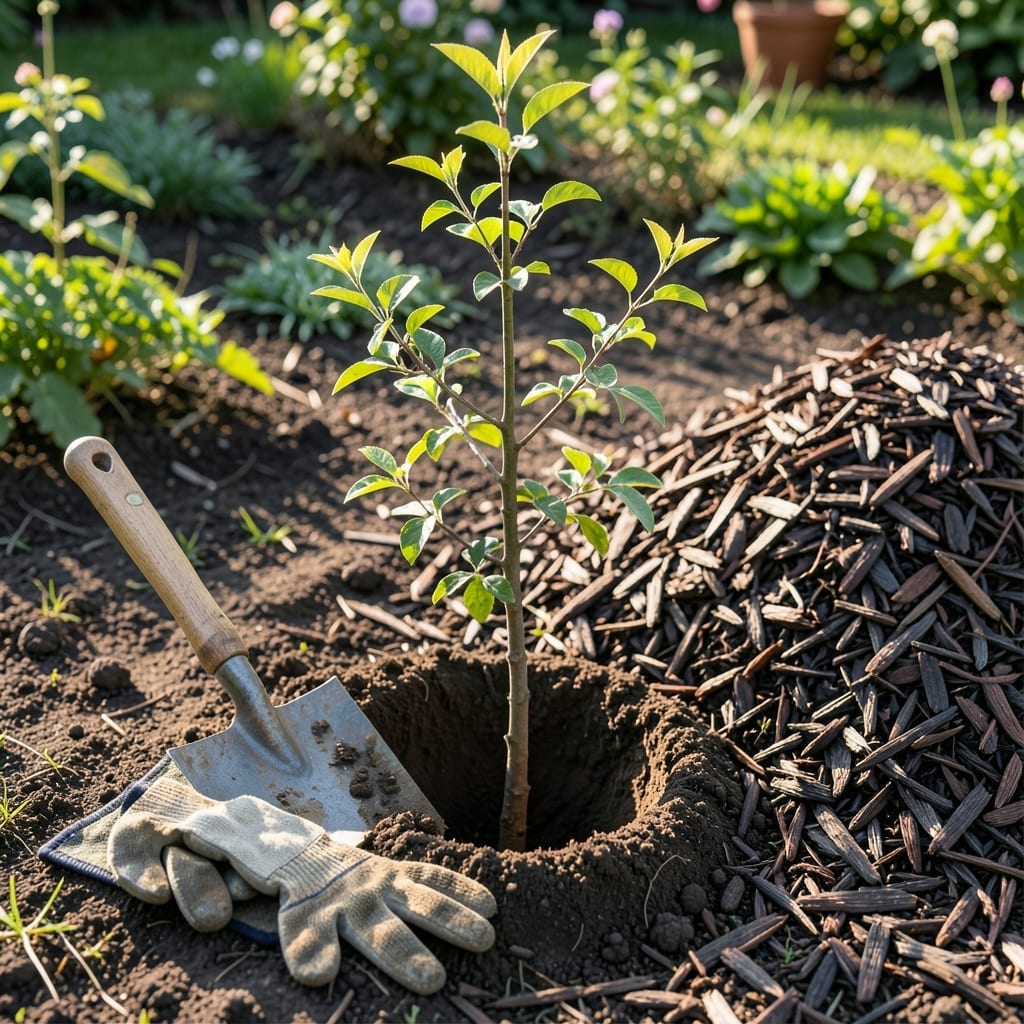
Timing is everything when planting Fruit Trees in Northern California, where microclimates can make or break your orchard’s success. Get it right, and you’ll enjoy bountiful harvests for years.
The region’s unique 7b-9a zones mean winter planting offers dormancy benefits. But knowing the exact window prevents common pitfalls that stunt growth.
I’ve seen too many gardeners plant too late in spring, only to watch their trees struggle. The January-March sweet spot ensures roots establish before summer heat.
Let me walk you through the climate considerations and variety-specific timing that’ll set your 🍎 Fruit Trees up for lifelong success.
Northern California’s mild winters and regional microclimates create unique planting opportunities. The optimal window spans late fall to early spring, when trees are dormant and stress is minimized.
From the coastal fog of San Francisco to the warmer inland valleys, timing varies slightly. But generally, January through March offers the best conditions for root establishment before summer heat arrives.
| Season | Planting Window | Key Benefit |
| Late Fall | November-December | Cool soil, reduced transplant shock |
| Winter | January-February | Dormancy period, ideal for bare-root |
| Early Spring | March | Warming soil, pre-bud break |
In coastal areas like Marin County, the planting season can extend into early April due to cooler temperatures. The ocean’s influence moderates extremes, giving you a bit more flexibility with timing.
For inland regions such as Sacramento, stick to January-February to avoid late frosts. The Sierra foothills may require earlier planting, as frost risk lingers longer in higher elevations.
Soil temperature is critical—aim for 40-50°F for best root development. Use a soil thermometer to check conditions before planting. This ensures your trees won’t sit in cold, waterlogged ground.
Bare-root trees thrive in this window, as they’re dormant and ready to establish roots. Container-grown trees can go in slightly later, but still benefit from cool-season planting.
I always recommend testing your soil before planting. Northern California’s clay-heavy soils often need amending with compost or sand to improve drainage and root penetration.
Remember, frost dates vary by zone. In Zone 9a (like parts of Contra Costa), the last frost is often in February, while Zone 7b (e.g., Napa Valley) may see frosts through March.
Planting at the right time gives your fruit trees the best start, ensuring they’re well-rooted before the summer dry season hits. This early advantage leads to stronger growth and better yields in the long run. 🌳
Northern California’s USDA zones 7-10 offer unique advantages for fruit tree cultivation. The key is matching chill hour requirements with your specific microclimate. Coastal areas stay mild, while inland valleys get colder winters.
For low-chill varieties like figs or citrus, planting in late winter works well. But apples and peaches need more cold and do best with January planting to meet their dormant period needs.
| Variety | Chill Hours | Best Planting Month |
| Apple | 500-1000 | January |
| Peach | 600-900 | January-February |
| Citrus | 100-300 | February-March |
| Fig | 100-200 | December-March |
I always recommend bare-root trees for winter planting. They’re cheaper and establish faster when planted during dormancy. Just ensure your soil is workable and not waterlogged from winter rains.
For container-grown trees, you have more flexibility. These can go in the ground year-round, but still aim for cooler months to reduce transplant shock and water stress.
Remember that Sierra foothills areas may have earlier frost dates. If you’re at higher elevations, aim to plant by mid-February to avoid late frosts damaging new growth.
Pro tip: Visit your local nursery in January. That’s when they’ll have the best selection of bare-root stock, perfectly timed for Northern California’s planting window. 🌳