
Beautiful Plants For Your Interior
Beautiful Plants For Your Interior
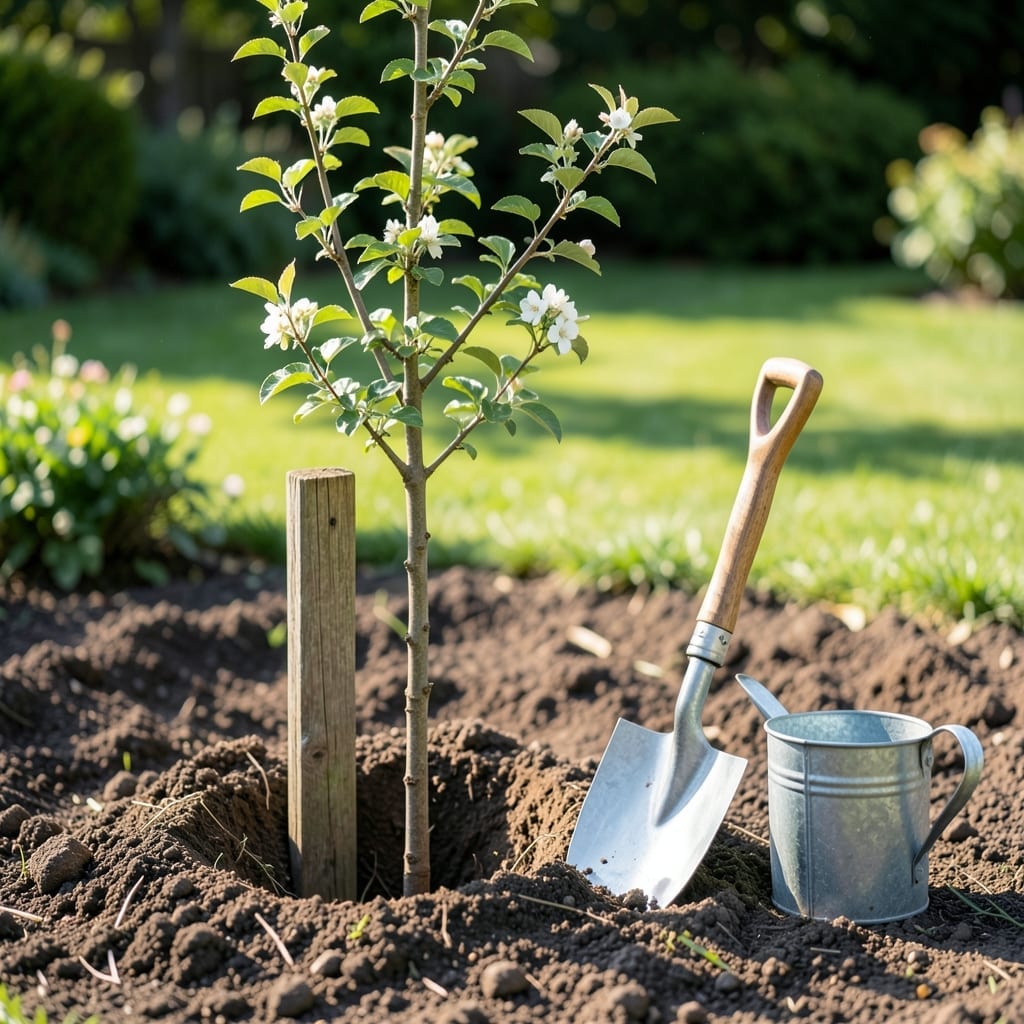
Timing is everything when you’re planting 🍎 Fruit Trees in North Texas. Plant too early or late, and your young saplings may struggle with our region’s finicky weather.
I’ve seen too many gardeners lose their trees because they didn’t account for our 8a zone’s unique challenges. The good news? There’s a sweet spot that gives your trees the best shot at thriving.
Whether you’re dreaming of apples, peaches, or citrus, knowing the right window can make all the difference. Let me show you when to get those roots in the ground for maximum success.
We’ll cover the ideal months, climate quirks to watch for, and how to prep your soil for faster establishment. Your future orchard will thank you.
North Texas gardeners know our USDA zones 7b-8a present unique challenges. The key to fruit tree success lies in understanding our frost dates and soil conditions. I’ve found that timing is everything when establishing a new orchard.
Our region’s last frost typically hits around March 15, while the first frost arrives near November 15. These dates create a narrow window for optimal planting that avoids both extreme heat and freezing temperatures.
For most deciduous fruit trees like apples and peaches, I recommend planting in late fall to early winter. This timing allows roots to establish before spring growth begins, while avoiding the stress of summer heat.
The dormant season (November-February) is ideal because trees focus all their energy on root development. I’ve seen bare-root trees planted in January thrive better than those planted in spring, as they avoid transplant shock.
However, citrus trees need a different approach. These subtropical varieties prefer spring planting (March-April) when soil temperatures rise above 60°F. This gives them time to establish before winter’s potential cold snaps.
Remember that container-grown trees offer more flexibility. You can plant these year-round, but I still avoid summer’s extreme heat. The key is ensuring the root ball stays consistently moist during establishment.
Soil temperature is another critical factor. For best results, aim for soil temps between 50-60°F. This range encourages root growth without the risk of frost damage to new plantings.
I always check the 10-day forecast before planting. A sudden cold snap after planting can set back even the hardiest sapling. Our North Texas weather can change on a dime, so timing your planting with stable conditions is crucial.
Finally, consider your specific microclimate. Areas near urban heat islands might allow slightly earlier planting, while rural spots may need to wait until later in the recommended windows.
By matching your planting schedule to these seasonal patterns, you’ll give your fruit trees the strongest possible start in our challenging North Texas climate 🌳
North Texas gardeners in USDA zones 7b-8a have a unique advantage when planting fruit trees. The region’s mild winters and long growing season allow for multiple planting windows, but timing is still crucial for each variety.
I always tell my fellow gardeners that knowing your chilling hour requirements is half the battle. Some trees need more cold to produce fruit, while others thrive with less. This calendar will help you match each tree to its ideal time.
| Fruit Tree | Best Planting Months | Chilling Hours Needed |
| Peach | January-February | 450-650 hours |
| Apple | December-February | 600-900 hours |
| Fig | February-March | 100-200 hours |
| Citrus | March-April | 0-100 hours |
For peach trees, I recommend planting in late winter to meet their chilling requirements. The dormant season gives them time to establish before spring growth begins.
If you’re adding citrus trees to your landscape, wait until spring when the soil has warmed. These subtropical varieties can’t handle our occasional winter freezes and need warmer conditions.
Fig trees are more flexible and can go in the ground in late winter or early spring. They require fewer chilling hours, making them a great choice for North Texas gardeners who want a low-maintenance option.
Remember, these are general guidelines. Always check your specific variety’s requirements and watch the local weather for unexpected cold snaps or heat waves that might affect your planting plans.
Proper timing gives your trees the best start, but consistent watering and soil prep are just as important for long-term success 🌳