
Beautiful Plants For Your Interior
Beautiful Plants For Your Interior
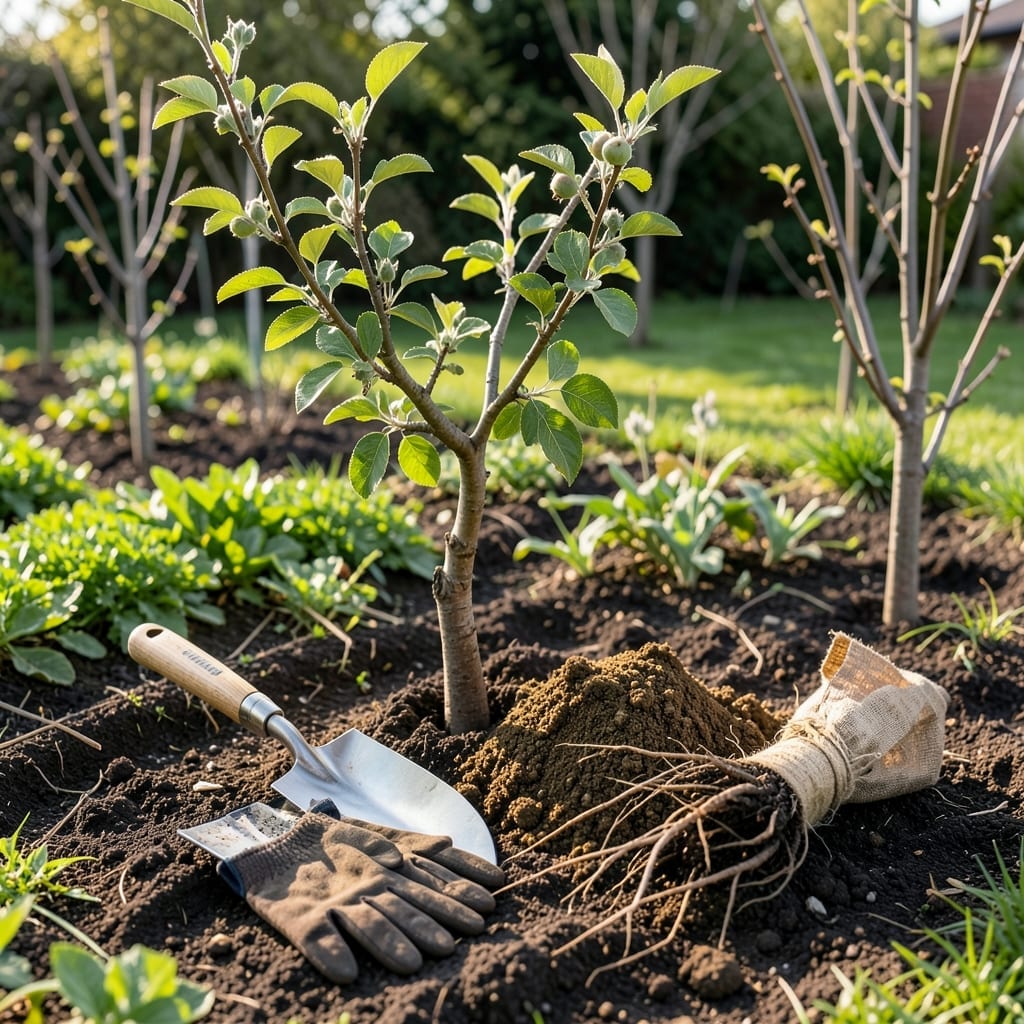
Planting Fruit Tree 🌳 at the right time in New Zealand can make the difference between a thriving orchard and a struggling sapling.
With diverse microclimates across the country, knowing your zone’s ideal planting window is the key to success.
I’ve seen firsthand how timing affects root establishment and long-term growth. Whether you’re in Northland or Southland, getting this right sets your trees up for years of productivity.
Discover how to align your planting with local weather patterns and soil conditions. Let’s get your orchard started on the right foot.
Timing is everything when establishing fruit trees in NZ. The country’s varied climates mean what works in Northland won’t suit Southland. I’ve found that dormant season planting gives roots the best start before spring growth.
In warmer regions like Auckland and Northland, late autumn to winter (May-July) is ideal. Cooler areas such as Canterbury and Southland benefit from late winter planting (July-August) to avoid frost damage.
| Region | Best Planting Months | Key Consideration |
|---|---|---|
| Northland | May-June | Warm winters, avoid summer heat |
| Auckland | June-July | Moderate climate, good drainage |
| Wellington | July-August | Wind protection needed |
| Canterbury | July-August | Frost risk in spring |
| Southland | August | Coldest region, late planting |
For bare-root trees, the dormant season (June-August) is non-negotiable. I always recommend container-grown trees if you miss this window, as they can be planted year-round with proper care.
The soil temperature should be above 7°C for root growth. In cooler regions, waiting until late winter ensures the ground isn’t frozen. I’ve seen apricot trees struggle when planted too early in frost-prone areas.
Rainfall patterns also play a role. Wetter regions like the West Coast can handle autumn planting, while drier areas (e.g., Central Otago) need winter planting to give roots time to establish before summer.
In my experience, stone fruits (peaches, plums) do best in well-drained soil and should be planted in July for most regions. Citrus trees, being frost-sensitive, thrive in Northland’s May-June window.
Feijoas and avocados prefer the warmer northern climates and can be planted slightly earlier (April-May). Always check your local frost dates—I use MetService’s climate data for precise timing.
If you’re in a frost-prone area, avoid planting tender varieties like lemons or figs until spring frost risk has passed. I learned this the hard way after losing a young fig tree to a late frost!
Finally, remember that microclimates matter. A sheltered north-facing slope in Wellington might allow earlier planting than a windy exposed site. Always observe your garden’s specific conditions. 🌳
New Zealand’s climate supports a wide range of fruit trees, but each has its own optimal planting window. Understanding these differences ensures your trees establish well and thrive for years.
Apples and pears prefer autumn planting in cooler regions, while citrus trees do best in spring or early summer to avoid frost damage in colder areas.
| Fruit Tree | Ideal Planting Season | Best For |
| Apples | June – August | Bare-root in autumn |
| Citrus | September – November | Container-grown in spring |
| Stone Fruits | July – August | Bare-root in winter |
| Feijoas | May – June | Cooler regions in early autumn |
I always recommend bare-root trees for autumn planting because they establish roots quickly in the cool, moist soil before winter dormancy sets in.
Container-grown trees offer more flexibility and can be planted in spring or early summer, but they require extra watering to combat transplant shock.
For stone fruits like peaches and plums, late winter planting allows them to break dormancy naturally as temperatures rise in spring.
Remember, local microclimates can shift these windows slightly, so always check your specific region’s frost dates and soil conditions before planting. 🌳