
Beautiful Plants For Your Interior
Beautiful Plants For Your Interior
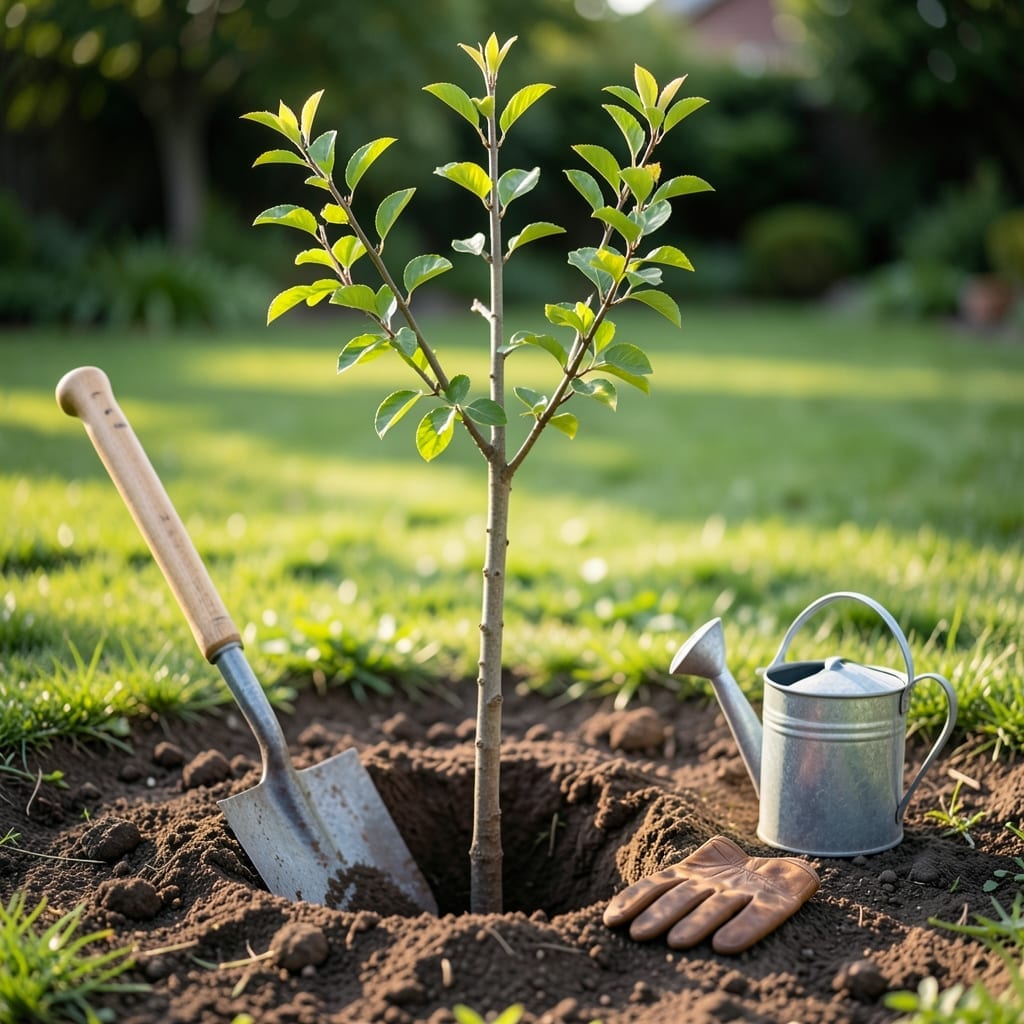
Timing is everything when planting Fruit Trees 🍎 in Massachusetts—get it right, and you’ll enjoy bountiful harvests for years to come.
Get it wrong, and you risk stunted growth or even losing your trees to harsh winters. The difference between success and struggle often comes down to just a few weeks.
With our state’s unique climate spanning zones 5b-7a, knowing when to plant can feel confusing. But the answer is simpler than you might think.
I’ll break down the most reliable windows for planting, so you can set your trees up for long-term success from the very start.
In Massachusetts, your planting window depends heavily on your USDA hardiness zone. The state spans zones 5b to 7a, with last frost dates ranging from mid-April to mid-May. This variation means timing is critical for success.
I’ve found that early spring (just after the last frost) and early fall (4-6 weeks before the first frost) are the optimal windows for most fruit trees. These periods allow roots to establish before extreme heat or cold.
| Zone | Spring Planting | Fall Planting | Key Varieties |
|---|---|---|---|
| 5b | Mid-April to early May | Late August to mid-September | Apples, Pears, Plums |
| 6a-6b | Early April to early May | Early September to early October | Peaches, Cherries, Apples |
| 7a | Late March to mid-April | Mid-September to late October | Figs, Persimmons, Pears |
For zone 5b (western MA), I recommend waiting until mid-April to plant. The soil is often still frozen in early spring, and cold snaps can damage young trees. In zone 7a (Cape Cod), you can start as early as late March.
Apples and pears are the most cold-hardy and can handle zone 5b conditions. Peaches and cherries thrive in zones 6-7 but need protection from late frosts. Always check your local frost dates for precision.
Soil temperature is another key factor. Aim for 50-60°F in spring. In fall, plant at least 4-6 weeks before the first frost to give roots time to establish. I use a soil thermometer to be sure.
In eastern Massachusetts (zones 6b-7a), fall planting often works better because of milder winters. The cooler temperatures reduce stress on new trees, and autumn rains help with watering.
For dwarf varieties, you can push the planting window slightly. Their smaller root systems establish faster. But standard-sized trees need the full spring or fall window to avoid stress.
I always remind gardeners to avoid planting in summer heat or just before winter freezes. The stress can stunt growth or even kill young trees. Stick to the shoulder seasons for best results.
Finally, mulch heavily after planting to retain moisture and protect roots. In Massachusetts, 2-3 inches of organic mulch can make a big difference in those critical first months.
🌳In Massachusetts, you’ve got two prime windows for planting fruit trees: early spring and fall. Each has unique advantages depending on your tree type and local conditions. 🌳
I’ve found spring planting works best for cold-sensitive varieties like peaches, as it gives roots time to establish before winter. Fall planting, however, is ideal for hardy trees like apples. 🌱
For Zone 5 areas like Worcester, I recommend late April for spring planting. This avoids frost damage while giving trees a full season to grow. ☀️
Fall planting should happen 4-6 weeks before the first frost. In Boston (Zone 7), that means early October is your deadline. ⏰
Remember, bare-root trees do best in early spring, while container-grown trees can handle either season. Always check your local frost dates!
I’ve seen apple trees thrive with fall planting in Zone 6, but peach trees often struggle unless planted in spring. Choose your timing wisely. 🌿