
Beautiful Plants For Your Interior
Beautiful Plants For Your Interior
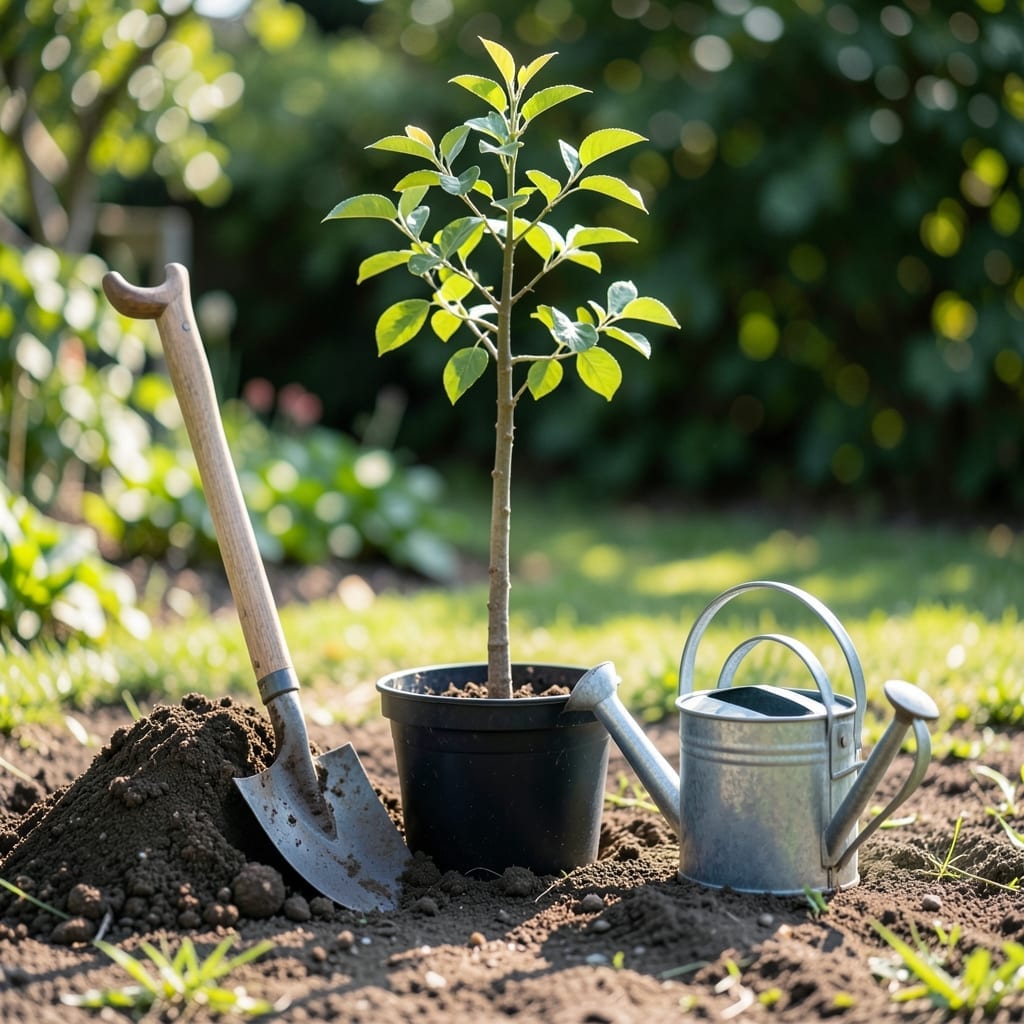
Planting Fruit Trees in Kentucky requires precise timing to thrive in the state’s humid subtropical climate. Get it right, and you’ll enjoy bountiful harvests for years to come.
The Bluegrass State’s 6b zone means your planting window is crucial for success. Whether you’re dreaming of crisp apples or juicy peaches, timing is everything.
I’ve seen too many gardeners struggle by planting at the wrong time. The good news? With the right approach, you can avoid those pitfalls entirely.
Discover the ideal seasons to plant 🍎 Fruit Trees in KY, and learn how to set your orchard up for long-term success from day one.
Kentucky spans USDA zones 6a-7b, giving gardeners a generous window for planting fruit trees. The ideal times are early spring or late fall, when the soil is workable but trees remain dormant.
In zone 6b, which covers most of central Kentucky, I recommend planting bare-root trees from March to early April. This allows roots to establish before summer heat arrives.
| Fruit Tree | Best Planting Time | Zone |
|---|---|---|
| Apple | Early spring or fall | 6a-7b |
| Peach | Late winter to early spring | 6b-7a |
| Cherry | Early spring | 6a-7b |
| Pear | Fall or early spring | 6a-7b |
Fall planting works well for container-grown trees. Aim for October to November, at least 4-6 weeks before the first hard frost. This gives roots time to settle before winter.
For peach trees, late winter planting in zone 7b (western KY) is ideal. The soil warms faster here, giving trees a head start before bloom time.
Cherry trees prefer early spring planting in all zones. They’re sensitive to frost, so avoid late fall plantings in colder areas like zone 6a.
In central Kentucky, I’ve found apple and pear trees thrive when planted in fall. The cooler temps reduce transplant shock, and spring rains help establish roots.
Always check your local frost dates. Kentucky’s last frost typically ranges from April 1-15, while first frost hits October 15-30. Planting outside these windows risks frost damage.
For bare-root trees, the dormancy period between December and March is perfect. Just ensure the ground isn’t frozen. In milder winters, I’ve successfully planted as late as early February.
Remember, soil temperature matters more than air temp. Aim for 50-60°F soil for best results. Use a soil thermometer if you’re unsure.
Kentucky’s unique climate demands special attention when planting fruit trees. The state’s humid subtropical conditions mean we must prepare for both summer heat and winter freezes. I always start with soil testing.
A soil pH of 6.0-7.0 is ideal for most fruit trees. Kentucky’s native soil often needs lime to raise pH or sulfur to lower it. Amend with organic compost to improve drainage and fertility.
⚠️ Avoid These Mistakes: Planting too deep, ignoring frost dates, or skipping soil prep can doom your trees before they start. Always plant at the same depth as the nursery container.
For frost protection, use tree guards or mulch heavily around the base. Young trees are vulnerable to late spring frosts, especially in zone 6a. I’ve saved many a peach tree with a well-timed frost cloth.
Pest pressure is high in Kentucky. Watch for canker diseases on apples and peach borers. Apply dormant oil spray in late winter to prevent infestations. Regular scouting catches problems early.
Watering is critical the first year. Give new trees 1-2 inches of water weekly, more in drought conditions. A deep soak encourages strong root growth. Avoid shallow watering—it leads to weak roots.
Finally, stake young trees if planted in windy areas. Kentucky’s spring storms can topple unsecured trees. Use soft ties to avoid girdling the trunk as it grows. 🌳