
Beautiful Plants For Your Interior
Beautiful Plants For Your Interior
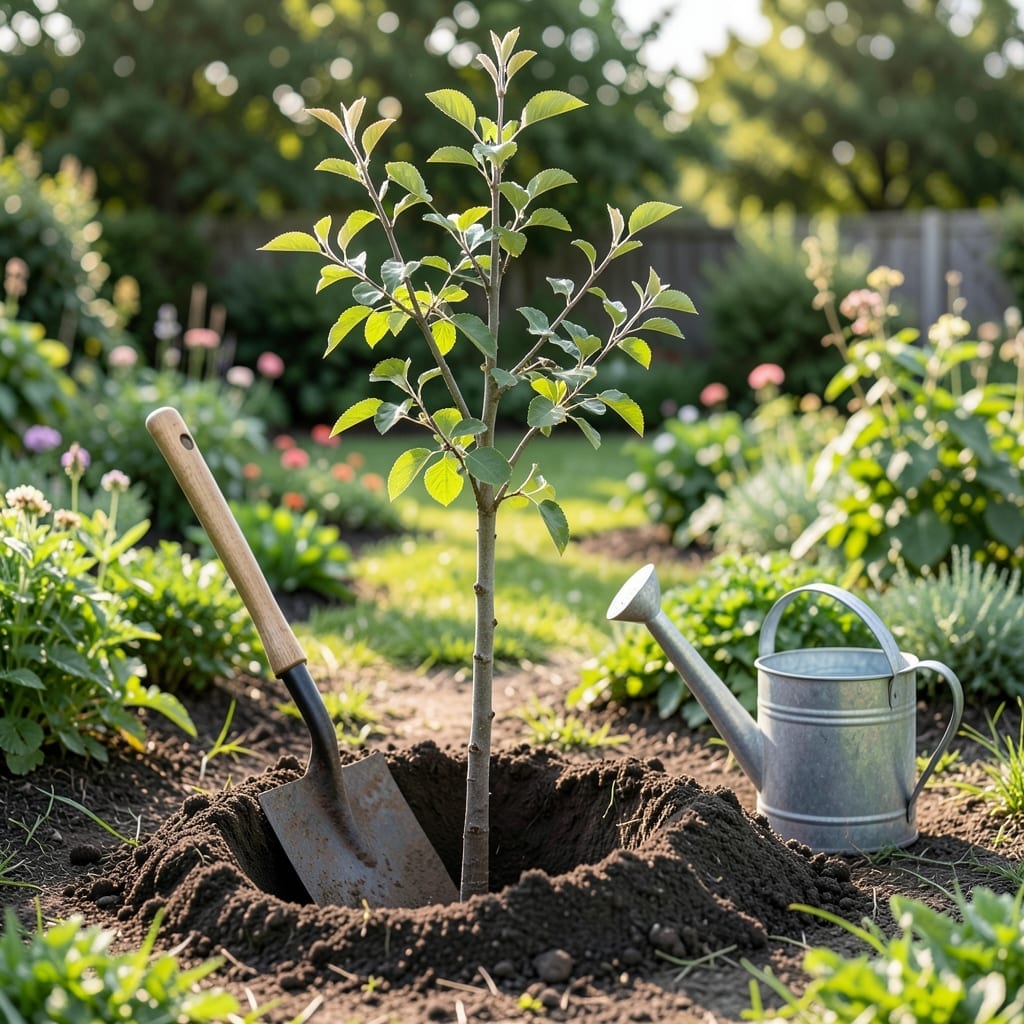
Timing is everything when it comes to giving your 🍎 Fruit Tree the best start in Indiana’s unpredictable climate. The difference between thriving and struggling often comes down to just a few weeks.
Our state’s 5b-6a zones create unique challenges, but also opportunities for gardeners who know the sweet spot. Plant too early or too late, and you risk frost damage or poor root establishment.
I’ve seen firsthand how the right timing transforms a sapling into a productive tree. Whether you’re in northern or southern Indiana, there’s a most effective window you shouldn’t miss.
Discover the precise timing that’ll set your Fruit Tree up for years of healthy growth and bountiful harvests. Let’s get this right from the start.
Indiana spans USDA zones 5b-6a, meaning fruit trees face cold winters and warm summers. The last frost typically hits around April 15, while the first arrives near October 15. This gives you a 180-day growing season to work with.
For most fruit trees, early spring planting—right after the last frost—is ideal. This allows roots to establish before summer heat. However, fall planting can also work if done 6 weeks before first frost.
| Zone | Best Planting Time | Key Varieties |
|---|---|---|
| 5b | March-April | Apple, Pear |
| 6a | March-May | Peach, Cherry |
In zone 5b, stick to cold-hardy varieties like Honeycrisp apples or Bartlett pears. These tolerate -15°F winters and thrive in Indiana’s climate. Plant them as soon as the soil is workable in spring.
For zone 6a, you have more flexibility. Peaches and cherries do well here but need protection from late frosts. I recommend planting these in early April to avoid frost damage.
If you’re planting bare-root trees, get them in the ground as soon as possible after purchase. These trees don’t have soil around their roots, so they dry out quickly. Container-grown trees can be planted later in spring.
Fall planting is best for established trees or dwarf varieties. The cooler temperatures reduce stress, and autumn rains help roots settle. Just ensure you plant before mid-October to avoid winter freeze.
For stone fruits like plums and nectarines, spring planting is non-negotiable. These trees are less cold-hardy and need the entire growing season to establish. I’ve seen many gardeners lose stone fruits planted in fall due to winter dieback.
Always test your soil before planting. Indiana’s soil can be clay-heavy, which affects drainage. Amend with compost or sand to improve structure. A pH of 6.0-7.0 is ideal for most fruit trees.
Finally, mulch heavily after planting to retain moisture and regulate soil temperature. Use 2-3 inches of organic mulch, but keep it 6 inches away from the trunk to prevent rot. This simple step boosts survival rates significantly.
With the right timing and care, your Indiana fruit trees will reward you with years of delicious harvests 🌳
Choosing between spring and fall planting for fruit trees in Indiana depends on your zone and tree type. I always recommend spring for cold-sensitive varieties like peaches.
Fall planting works well for hardy trees like apples, giving roots a head start before winter dormancy. Indiana’s moderate falls provide ideal conditions.
In northern Indiana (Zone 5), I always plant in early spring to avoid winter kill. The soil warms up enough by late March.
For southern Indiana (Zone 6), you can push fall planting into late October. Just ensure the tree gets 6 weeks before hard frost.
Dwarf varieties do well with fall planting because they establish quicker. I’ve had great success with dwarf apples planted in September.