
Beautiful Plants For Your Interior
Beautiful Plants For Your Interior
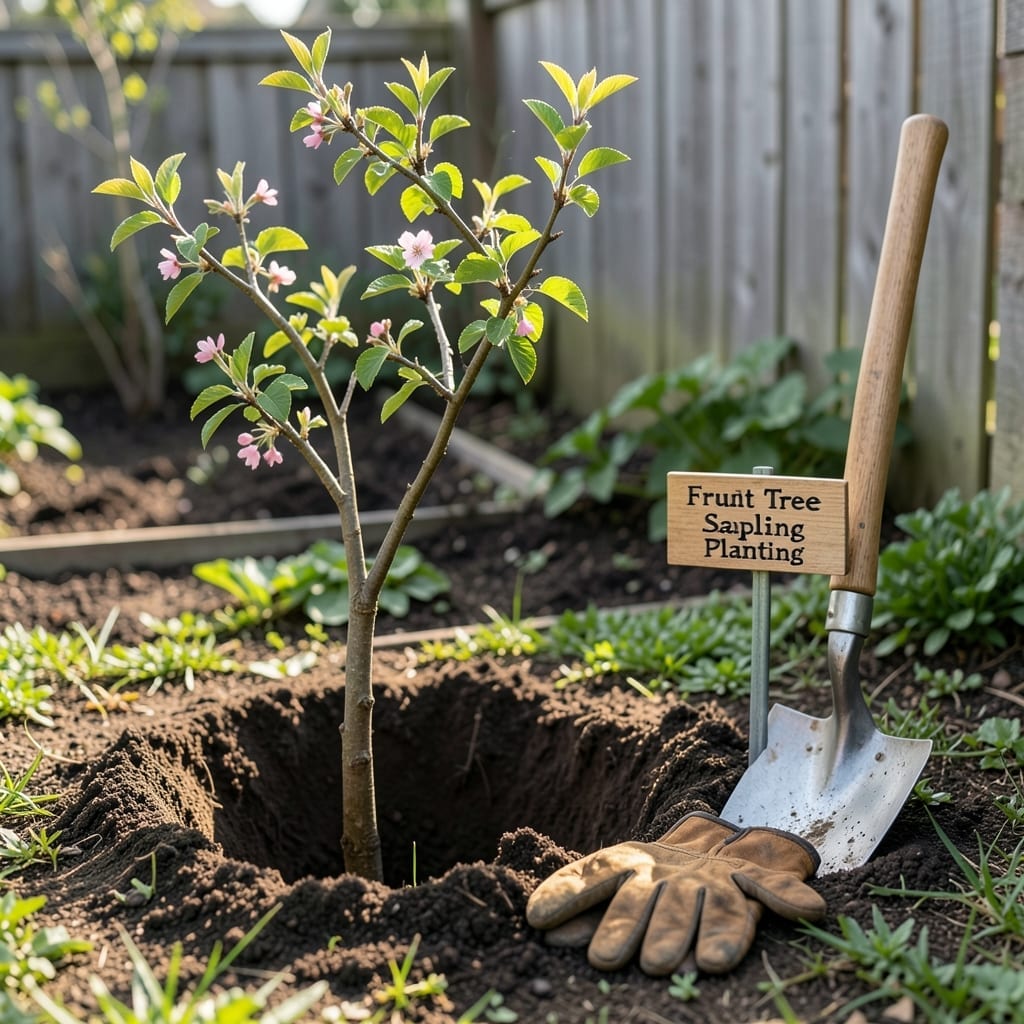
Timing is everything when it comes to planting 🍎 Fruit Trees in California’s diverse climate. Get it wrong, and you could be looking at stunted growth or even lost harvests.
From the coastal regions to the inland valleys, each area has its own ideal window for planting. This isn’t just about picking a date—it’s about aligning with nature’s rhythm.
I’ll walk you through the best planting times tailored to California’s unique zones, so your trees get the strongest start possible. No guesswork, just proven strategies.
Discover how to match your planting schedule to your local climate and set your Fruit Trees up for big harvests.
California’s diverse climate zones mean there’s no one-size-fits-all answer for planting fruit trees. The Coastal areas stay mild year-round, while the Inland valleys can swing between frost and heat. I’ve found that timing is everything.
For most regions, late fall to early spring is ideal, but the exact window shifts. Bare-root trees thrive when planted during dormancy, while container-grown trees offer more flexibility. Let’s break it down by zone.
| Climate Zone | Ideal Planting Months | Key Considerations |
|---|---|---|
| Coastal | November–March | Mild winters, avoid summer heat |
| Inland | December–February | Frost risk in winter, plant before spring |
| Desert | October–January | Beat extreme heat, water deeply |
| Mountain | April–May | Late frosts common, wait for warmth |
In Coastal zones, like San Francisco or San Diego, you can plant almost year-round, but November to March ensures roots establish before summer. I always remind gardeners here to avoid planting during peak heat.
The Inland areas, such as the Central Valley, have cold winters and hot summers. Planting bare-root trees in December or January gives them time to settle before the heat kicks in. Frost can be a concern, so mulch heavily after planting.
For the Desert, like Palm Springs, timing is critical. October to January avoids the scorching summer temps. I’ve seen trees struggle when planted later, as the heat stress can stunt growth. Always water deeply to help roots penetrate.
In Mountain regions, such as the Sierra Nevada, late frosts are the biggest challenge. Waiting until April or May ensures the soil is warm enough. I’ve had success planting container-grown trees here, as they’re less sensitive to temperature swings.
No matter your zone, soil prep is key. Test your soil’s drainage and pH levels before planting. Fruit trees generally prefer slightly acidic to neutral soil (pH 6.0–7.0). Amend with compost to improve fertility.
If you’re planting bare-root trees, soak the roots in water for 1–2 hours before planting. For container-grown trees, loosen the root ball to encourage outward growth. Both types benefit from a thick layer of mulch to retain moisture.
Finally, monitor the weather leading up to planting day. A cold snap or heatwave can set your trees back. I always check the 10-day forecast to pick the perfect window. With the right timing, your fruit trees will reward you with years of bountiful harvests 🌳
California’s diverse climate allows for a wide variety of fruit trees, but not all thrive in every region. I’ve found that citrus and avocado do best in warmer zones, while stone fruits prefer areas with chill hours. 🌳
For bare-root trees, December to February is ideal, as dormancy helps with establishment. Container-grown trees offer more flexibility, but I always avoid planting during peak summer heat. ✂️
In coastal areas, the mild winters allow for year-round planting of container-grown trees, but I recommend avoiding July and August due to water stress. For inland valleys, stick to dormant season planting. 🪴
If you’re in a high-altitude region, focus on cold-hardy varieties like apples or pears. These need chill hours to produce fruit, so planting in late winter ensures they wake up ready to grow. ☀️
Pro tip: Always check your local frost dates. In Zone 10, you might plant citrus in November, while Zone 7 gardeners should wait until February to avoid frost damage. 🌱
For bare-root success, I soak roots for 2-3 hours before planting and mulch heavily after. This simple step can double your tree’s survival rate in the first year. 💧