
Beautiful Plants For Your Interior
Beautiful Plants For Your Interior
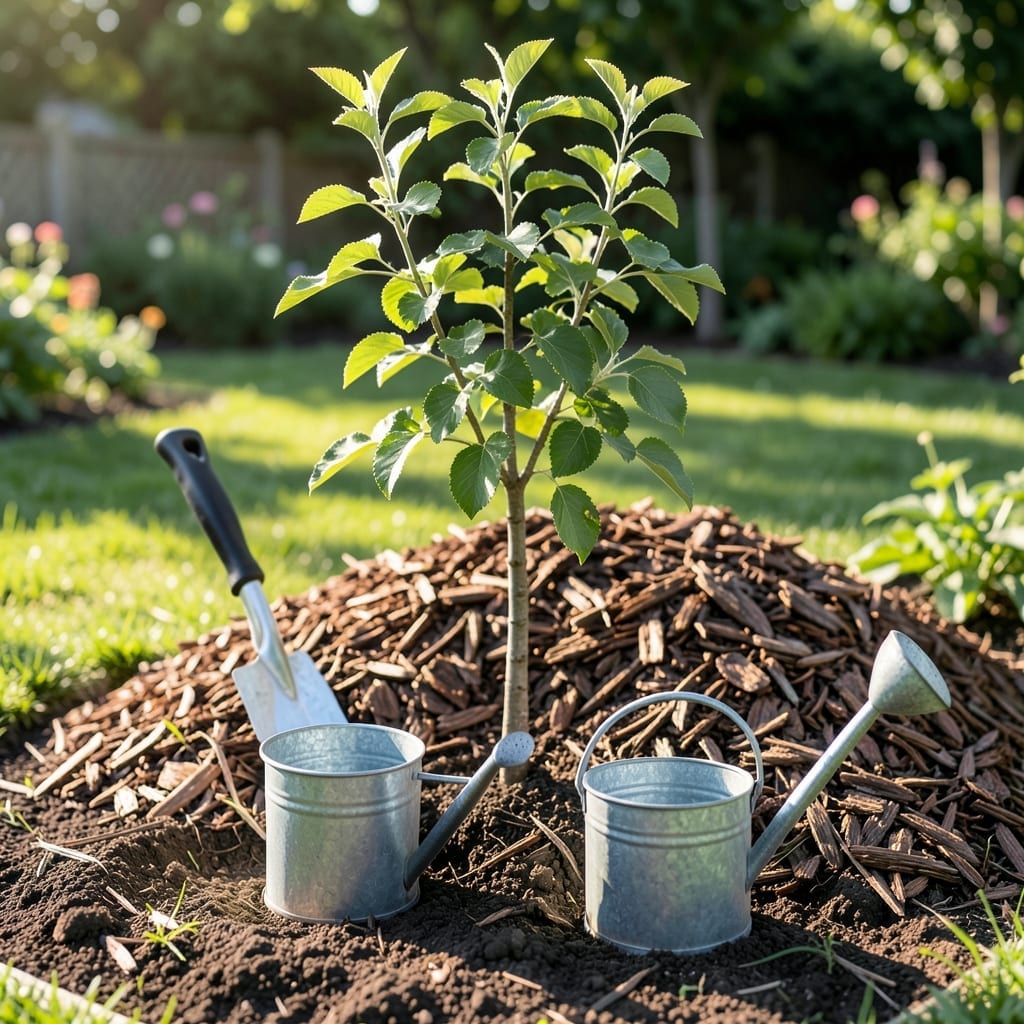
Timing is everything when planting 🌳 Fruit Trees in British Columbia, where coastal mist and interior frost create two distinct growing worlds. Plant too early or too late, and your trees may struggle to establish roots or survive the winter.
In zones 7b-8a, the window is narrow but critical. Whether you’re in Vancouver’s mild climate or the frost-prone Okanagan, getting this right means the difference between thriving orchards and wasted effort.
I’ve seen gardeners lose years of growth by missing this timing. The good news? With the right schedule, your trees will establish faster and bear fruit sooner than you think.
Discover the exact seasonal sweet spots for coastal vs. interior BC, and why fall might be your best bet for many varieties. Let’s get your timing perfect.
Planting fruit trees in BC’s coastal regions like Vancouver Island and the Lower Mainland requires careful timing. The mild, wet winters and moderate temperatures allow for a longer planting window than inland areas. I recommend focusing on early spring or fall for best results.
In these areas, the last frost typically occurs around mid-April, but the soil remains workable much earlier. This gives you a head start compared to colder regions. The cooler coastal climate also means less risk of heat stress for young trees. 🌳
| Region | Best Planting Time | Key Varieties |
| Vancouver Island | March-April or Sept-Oct | Apple, Pear, Plum |
| Lower Mainland | Late March or Early Oct | Cherry, Fig, Peach |
| Sunshine Coast | April or Sept-Nov | Apple, Quince |
For spring planting in coastal BC, aim for March to early April. This allows trees to establish roots before the summer heat. The soil temperature should be consistently above 7°C for optimal root growth.
Fall planting is equally effective, typically from September to October. This gives trees 4-6 weeks to settle before the first frost. The cooler temperatures reduce transpiration stress on the young trees.
I’ve found that apple and pear trees thrive particularly well in these coastal conditions. Their moderate chill requirements match the mild winters perfectly. For stone fruits like peaches, choose low-chill varieties suited for the region.
Soil preparation is crucial regardless of timing. I always test soil pH first, aiming for 6.0-7.0 for most fruit trees. Amend with compost or well-rotted manure to improve drainage and fertility. Coastal soils can be heavy and clay-like, so organic matter is your best friend.
Remember that winter rainfall in coastal BC can be excessive. To prevent root rot, I recommend planting on a slight mound or in raised beds to ensure good drainage. This is especially important for cherry and plum trees, which are more susceptible to waterlogging.
Mulching is another key practice I swear by. Apply a 2-3 inch layer of organic mulch around the base, keeping it 6 inches away from the trunk. This helps retain moisture, suppress weeds, and regulate soil temperature. 🌿
Finally,
With these timing and care tips, your coastal BC fruit trees will have the best start possible for years of bountiful harvests. ✂️
Inland regions like the Okanagan and Kootenays demand careful timing due to colder winters and shorter growing seasons. Here, spring planting is often safer than fall.
For zones 4-6, aim for late April to early May, after the last frost. This gives roots time to establish before winter hits hard.
| Region | Best Planting Months | Key Consideration |
|---|---|---|
| Okanagan | April-May | Avoid late fall frosts |
| Kootenays | May-June | Higher elevation delays |
| Thompson | April or Sept | Moderate climate flexibility |
| Cariboo | May only | Shortest growing season |
Elevation plays a huge role here. In the Okanagan Valley, lower areas can plant earlier, while bench lands may need to wait 2-3 weeks longer.
For drought-resistant varieties like cherries or apricots, spring planting helps them establish before summer heat. Always mulch heavily to conserve moisture.
Fall planting in interior zones is risky. If you must, choose cold-hardy varieties and plant 6 weeks before first frost to allow root growth.
I’ve found that bare-root trees do best in early spring, while container-grown can go in slightly later. Always water deeply after planting, regardless of season.
Remember, soil temperature matters more than air temperature. Use a soil thermometer to confirm it’s above 7°C (45°F) before planting.