
Beautiful Plants For Your Interior
Beautiful Plants For Your Interior
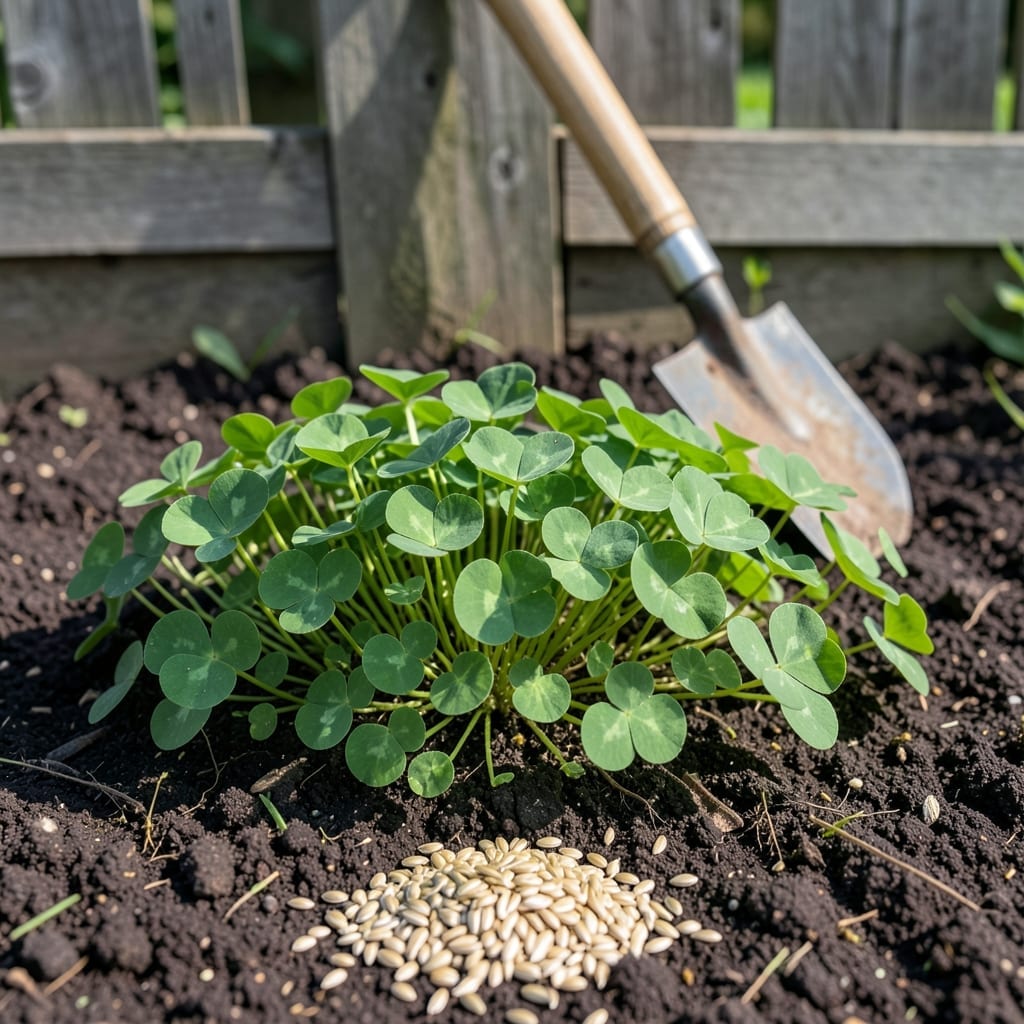
Timing is everything when planting Food Plots in Georgia—plant too early or too late, and you risk poor growth or wasted seed.
Georgia’s unique climate in zones 7b-8a means your planting window is critical. Whether you’re aiming for fall or spring plots, getting the timing right ensures lush, attractive growth for wildlife.
I’ve tested different schedules across seasons, and the differences are striking. The right timing means healthier plants and better results for hunting or conservation.
Let me walk you through the exact seasonal windows and what to consider for Georgia-specific success with your 🌱 Food Plots.
In Georgia’s varied climate, timing your food plot planting can make or break your success. I’ve found that cool-season crops like clover and winter wheat thrive when planted in early fall, while warm-season varieties such as soybeans and brassicas need late spring or summer starts.
Northern GA tends to have earlier frost dates than southern regions, so adjust your calendar accordingly. For example, planting clover in August ensures it establishes before winter dormancy in colder zones.
| Season | Crop Type | Planting Window | Key Varieties |
|---|---|---|---|
| Fall | Cool-Season | Aug–Oct | Clover, Winter Wheat |
| Spring | Warm-Season | Mar–Apr | Soybeans, Corn |
| Summer | Warm-Season | May–Jun | Brassicas, Sorghum |
For fall food plots, I always aim to plant 4–6 weeks before the first frost, which hits Northern GA around November 15. This gives annual clover and winter rye enough time to establish strong root systems.
In Southern GA, where frost arrives later, you can push planting to late October for winter wheat or oats. These crops handle mild winters and provide year-round forage for wildlife.
Spring planting should start after the last frost, typically mid-April in most of GA. Soybeans and cowpeas are excellent choices because they tolerate heat and drought once established.
If you’re targeting deer and turkey, brassicas like turnips and radishes are must-haves. Plant these in late summer for a fall and winter food source that stays palatable after frost.
Soil prep matters as much as timing. I always test pH levels and aim for 6.0–7.0 before planting. Lime applications should go down 3–6 months before seeding for best results.
For quick establishment, consider a mix of clover and chicory. These perennials come back yearly, reducing your planting workload. Just mow or disk the plot in early spring to encourage new growth.
Don’t forget about moisture management. Georgia’s summer droughts can stress young plots. I use drip irrigation or plant in low-lying areas where soil retains more water. ☀️
Finally, monitor deer movement patterns. Planting near bedding areas or trails increases the chances your food plot will be utilized. Trail cameras help me track activity and adjust future plantings.
Getting your food plot timing right in Georgia’s climate means understanding a few critical variables. I’ve found that frost dates and soil temperature are the biggest game-changers for success.
Rainfall patterns and deer movement also play a huge role, especially if you’re planting for hunting season. Adjusting for early or late seasons can make or break your plot’s effectiveness.
I always recommend checking your local soil temperature with a simple thermometer. Cool-season crops like brassicas thrive when soil is 50°F or above, while warm-season crops need 60-70°F.
Rainfall timing is tricky in GA—late summer can be dry, so I water new plots if we go more than 5-7 days without rain. This keeps seeds from drying out during germination.
Deer movement peaks in October and November, so I time my fall food plots to be lush and green by then. A late August to early September planting usually hits the mark.
Finally, seed variety matters. Fast-maturing varieties like winter wheat are great for late plantings, while slow-maturing brassicas need an earlier start. Always match the maturation rate to your timeline.
With these factors in mind, you’ll maximize your food plot success and keep the deer coming back all season long 🌱