
Beautiful Plants For Your Interior
Beautiful Plants For Your Interior
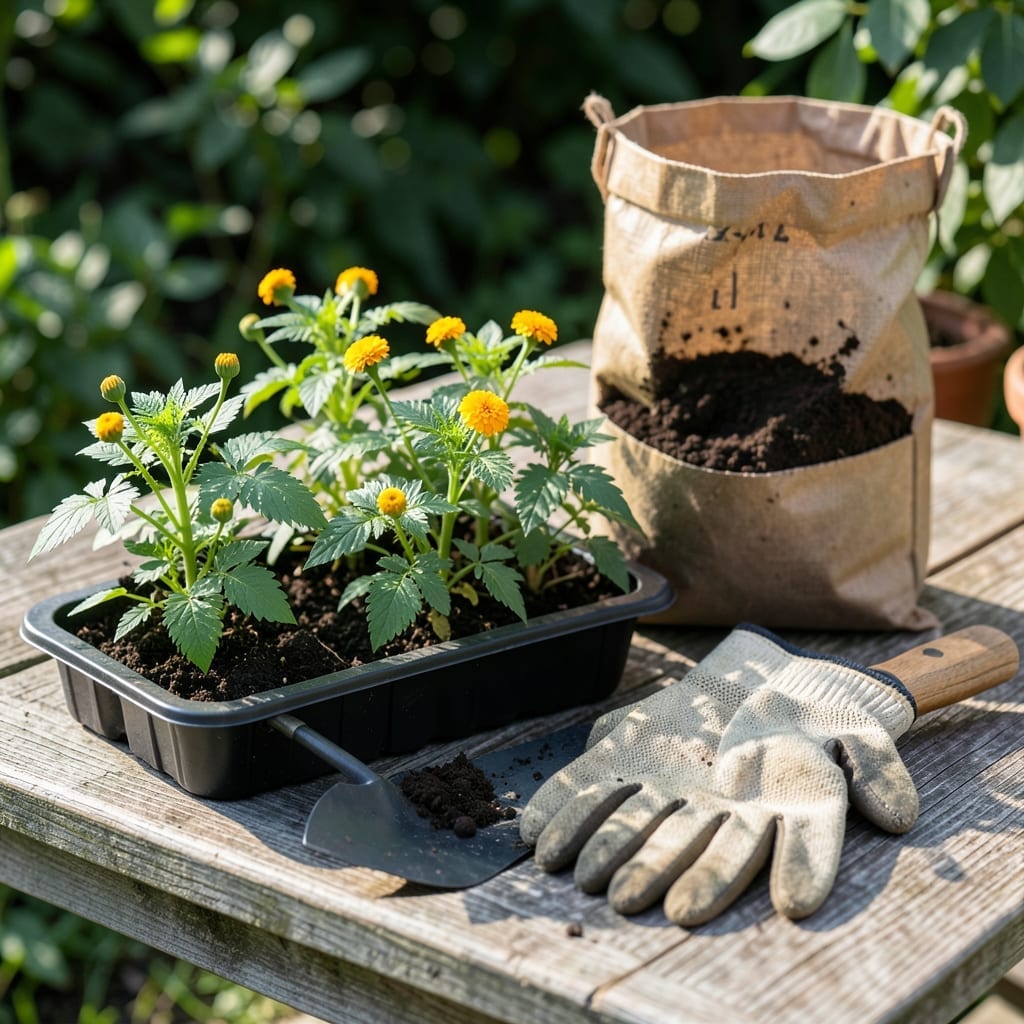
Timing is everything when it comes to planting Flowers in Zone 8, where mild winters and hot summers create unique growing opportunities. Miss the ideal window, and your blooms might struggle—or fail to thrive entirely.
I’ve learned that the difference between a lackluster garden and a vibrant one often comes down to just a few weeks. In Zone 8, you have two prime planting windows that most gardeners overlook.
Discover how to work with your climate instead of against it. Whether you’re planting annuals or perennials, getting the timing right means more color with less effort.
Let me walk you through the seasonal sweet spots that will transform your garden. The results might surprise you.
In USDA Zone 8, the last frost date is typically around March 15, with the first frost arriving near November 15. This gives us a generous 240-day growing season for flowers.
I always recommend starting cool-season annuals like pansies and snapdragons in early February for vibrant spring blooms. For warm-season flowers, wait until after the last frost to avoid damage.
| Season | Flower Type | Planting Window | Key Varieties |
|---|---|---|---|
| Early Spring | Cool-season Annuals | Feb – March | Pansies, Snapdragons |
| Late Spring | Warm-season Annuals | April – May | Marigolds, Zinnias |
| Fall | Perennials | Sept – Oct | Coneflowers, Black-eyed Susans |
For perennials, I’ve found that September to October planting allows roots to establish before winter. This timing ensures stronger blooms the following spring.
Soil temperature is crucial. Aim for 60°F for most annuals. Use a soil thermometer to check conditions before planting.
In my experience, microclimates matter in Zone 8. Urban areas may be 5°F warmer than rural spots, so adjust your planting dates accordingly.
Don’t forget succession planting! After your early bloomers fade, replace them with heat-loving varieties like cosmos or sunflowers in late spring.
Watering needs change with the seasons. New plantings need consistent moisture, but established flowers often thrive on weekly deep watering. ☀️
I always mark my calendar for March 15—that’s my cue to start hardening off seedlings and preparing beds for warm-season flowers.
For bulbs like dahlias and gladiolus, plant after the soil warms to 60°F, usually in mid-April in most Zone 8 areas.
Remember, fall planting isn’t just for perennials. You can also sow wildflower mixes in October for early spring color.
In Zone 8, I’ve found that spring planting from February to April gives annuals like petunias and marigolds a strong start after the last frost. This window also works well for perennials like cone flowers. ☀️
For summer color, I plant heat-loving varieties such as zinnias and black-eyed Susans in May. These thrive in the hot temperatures and keep blooming until fall. 🌿
I always recommend fall planting in September or October for spring-blooming perennials like tulips and daffodils. This gives roots time to establish before winter. 🌱
For continuous color, I mix early bloomers like crocuses with late-season stars such as sedum. This ensures my garden stays vibrant from March to November. 🌻
Don’t forget pollinator-friendly options like bee balm and butterfly bush. These not only add beauty but also support local ecosystems in Zone 8. ✂️
Finally, I always check soil temperature—aim for 60°F for most annuals. This small step makes a big difference in how quickly your flowers take off. 💧