
Beautiful Plants For Your Interior
Beautiful Plants For Your Interior
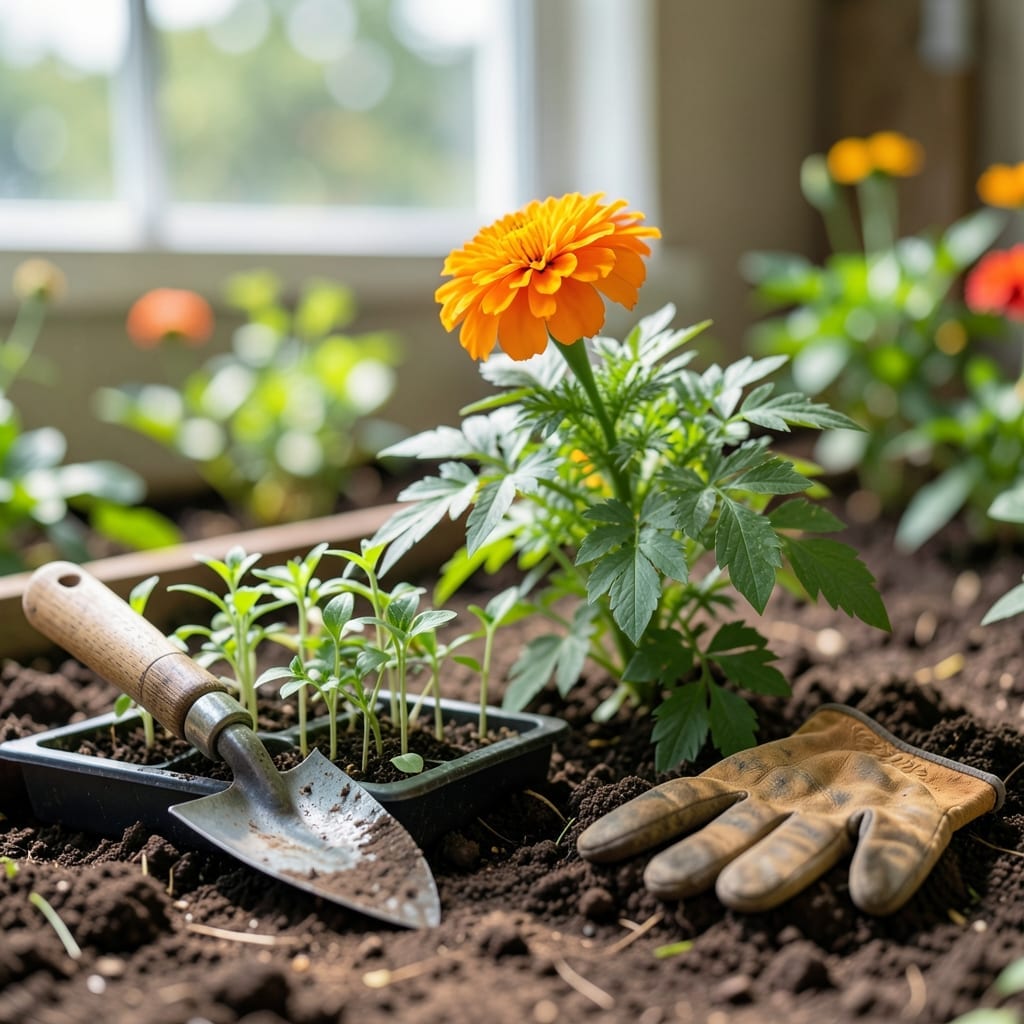
Timing is everything when planting 🌸 Flowers in Zone 7, where mild winters and hot summers create a unique growing rhythm. Get your seasonal calendar right, and you’ll enjoy blooms from early spring to late fall.
I’ve learned through trial and error that planting at the wrong time can leave you with lackluster results. The good news? Zone 7 gives you two ideal windows to get it just right.
Whether you’re planting annuals, perennials, or bulbs, knowing the best months makes all the difference. I’ll walk you through the most important timing tips so your garden thrives.
Discover how to sync your planting schedule with nature’s cues. Your vibrant flower beds are closer than you think.
In USDA Zone 7, your flower planting schedule revolves around two key dates: the last frost around April 15 and the first frost near November 1. This gives you a 200-day growing season perfect for a wide variety of blooms.
I always start cool-season annuals like pansies and snapdragons in early March, as they tolerate light frosts. For tender annuals, waiting until after the last frost is crucial to avoid cold damage.
| Type | Best Planting Time | Key Examples |
|---|---|---|
| Annuals (Tender) | After last frost (April 15) | Marigolds, Zinnias, Petunias |
| Annuals (Cool-Season) | Early March or August | Pansies, Calendula, Sweet Alyssum |
| Perennials | Early spring or fall | Coneflowers, Black-Eyed Susans, Daylilies |
| Bulbs (Spring) | October to November | Tulips, Daffodils, Hyacinths |
| Bulbs (Summer) | March to April | Dahlias, Gladiolus, Crocus |
For perennials, I recommend planting in early spring or fall to give roots time to establish before extreme heat or cold. Daylilies and cone flowers are particularly resilient in Zone 7’s climate.
Bulb planting requires strategic timing. Spring-blooming bulbs like tulips and daffodils need to go in the ground in October or November for a spectacular early spring show. Summer bloomers like dahlias should be planted after the soil warms in March or April.
Don’t overlook succession planting for continuous color. After your early spring blooms fade, replace them with heat-tolerant varieties like cosmos or sunflowers that thrive in Zone 7’s hot summers.
I’ve found that soil preparation is just as important as timing. Amend your beds with compost before planting, and ensure good drainage to prevent root rot, especially during Zone 7’s occasional heavy rains.
Watering needs vary by season. In spring and fall, 1 inch per week is usually sufficient, but during the hot summer months, you may need to water twice weekly to keep flowers vibrant.
Finally, keep an eye on the weather forecast. Zone 7 can have unpredictable late frosts or early heatwaves. Using row covers or shade cloth can help protect your investment during these swings.
With this seasonal approach, you’ll maximize your garden’s potential and enjoy a colorful display from the first thaw to the first frost. 🌷
In Zone 7, I love choosing flowers that thrive in our mild winters and hot summers. The key is selecting varieties that handle both heat and occasional cold snaps gracefully.
For spring color, I plant tulips and daffodils in early fall. These bulbs need time to establish roots before winter. In summer, drought-tolerant options like black-eyed Susans shine.
I always include perennials like cone flowers for low-maintenance color. They return every year and need minimal care once established. For shady spots, hostas and impatiens work beautifully.
Drought-tolerant flowers are my go-to for summer heat. Lantana and salvia handle dry spells well. For continuous blooms, deadhead spent flowers regularly to encourage new growth.
Don’t forget fall planting for spring color. Bulbs like crocuses and hyacinths need to be in the ground 6-8 weeks before the first frost. This gives them time to establish strong root systems.
For year-round interest, I mix evergreen shrubs with seasonal flowers. This creates a garden that looks great no matter the season. And remember, mulching helps retain moisture and protect roots during temperature swings.
With the right selection, your Zone 7 garden can burst with color from early spring through late fall. Start with a few reliable performers, then experiment with new varieties each year.