
Beautiful Plants For Your Interior
Beautiful Plants For Your Interior
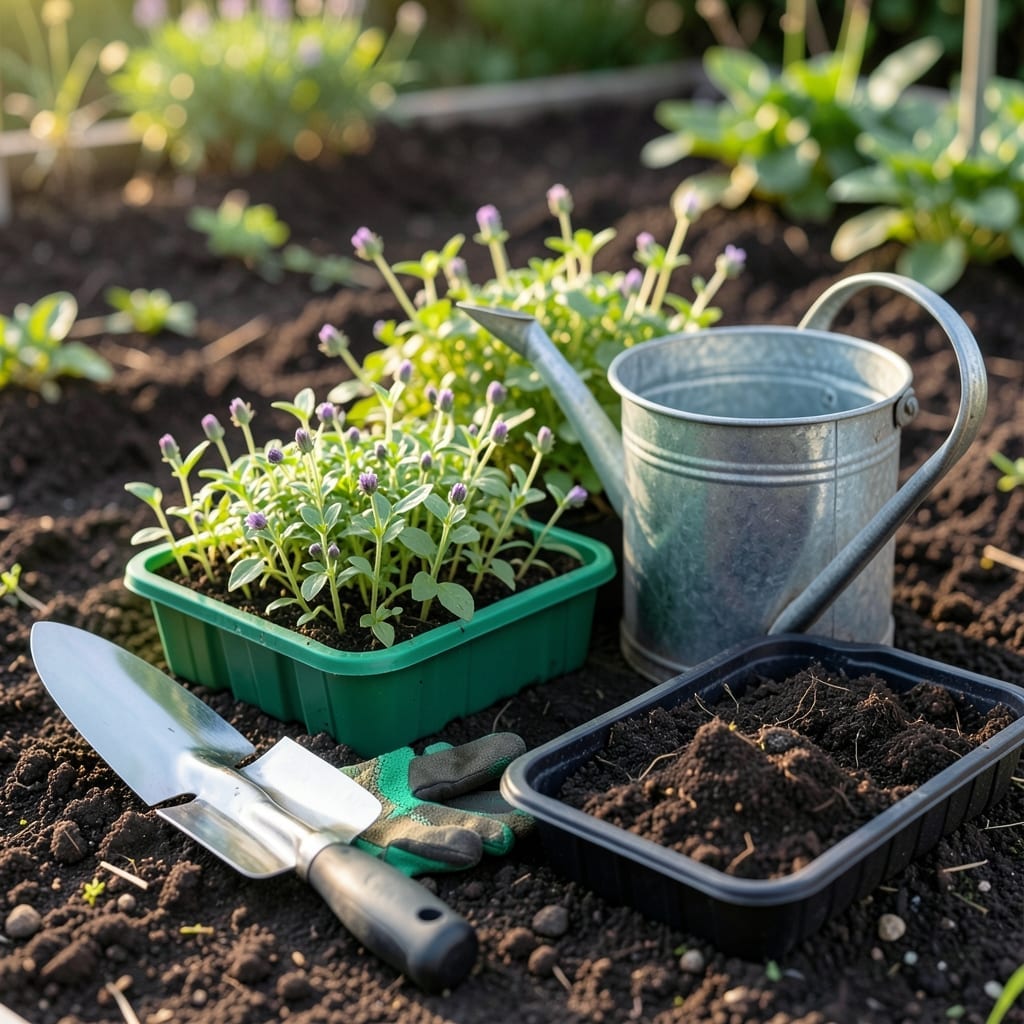
Timing is everything when planting Flowers in Zone 6b, where the last frost can make or break your garden’s success. I’ve learned the hard way that planting too early or too late can leave you with lackluster results.
In this region, the window for planting 🌸 Flowers typically falls between April and May, but there’s more to it than just the calendar. Understanding your local climate and soil conditions is the key to vibrant blooms.
Whether you’re planting annuals, perennials, or bulbs, knowing the precise timing can set you up for a stunning garden. Let me share what I’ve discovered about making the most of Zone 6b’s growing season.
From frost dates to soil temperature, I’ll walk you through everything you need to get your Flowers off to a thriving start.
In USDA Zone 6b, timing your flower planting right means understanding the frost dates and soil temperatures. The last frost typically hits around April 15, while the first frost arrives near October 15. This gives you a 180-day growing window.
For the best results, I always wait until soil temps reach at least 60°F for most annuals and tender perennials. Cool-season flowers like pansies and sweet peas can go in earlier, as they tolerate light frosts.
| Flower Type | Best Planting Time | Soil Temp |
|---|---|---|
| Annuals | After last frost (Mid-April to May) | 60-70°F |
| Perennials | Early spring or fall | 50-60°F |
| Bulbs | Fall (6-8 weeks before frost) | 55°F |
| Cool-Season | Early spring (March-April) | 45-55°F |
I’ve found that starting seeds indoors 6-8 weeks before the last frost gives annuals like marigolds and zinnias a head start. Transplant them outdoors after hardening off for a week.
Perennials like cone flowers and black-eyed Susans thrive when planted in early spring or early fall. This allows their root systems to establish before extreme heat or cold.
For spring-blooming bulbs such as tulips and daffodils, I plant them in fall, about 6-8 weeks before the first frost. This ensures they get the cold period needed to bloom.
Summer bulbs like dahlias and gladiolus should wait until soil warms to at least 60°F, usually in late April or early May in Zone 6b.
If you’re eager to get cool-season flowers like snapdragons or calendula in the ground, you can start as early as late March. Just be ready to cover them if a late frost is forecasted.
Remember, mulching helps regulate soil temperature and retain moisture, which is especially useful for new plantings. I use a 2-3 inch layer of organic mulch around my flowers.
Finally, always check the weather forecast before planting. A sudden cold snap can set back tender plants, so I keep frost cloth on hand just in case. With the right timing, your Zone 6b garden will burst with color all season long! 🌷
In Zone 6b, planting too early can spell disaster for frost-sensitive flowers. I always wait until after the last frost date (around April 15) to avoid losing tender plants to a late cold snap.
Some flowers simply can’t handle the chill. Impatiens, coleus, and begonias are prime examples—they’ll wilt or die if exposed to temperatures below 50°F. Even zinnias and petunias struggle in cold soil. 🌷
⚠️ Warning: Frost-Sensitive Flowers in Zone 6b
Instead of risking it, I opt for cold-hardy alternatives like pansies or snapdragons for early spring color. These can tolerate light frosts and even thrive in cooler temperatures.
If you’re eager to get a head start, consider starting seeds indoors 6-8 weeks before the last frost. This way, your frost-sensitive flowers will be ready to transplant once the weather warms up.
Another trick I use is row covers or cloches to protect young plants from unexpected cold snaps. Just
Always check the weather forecast before planting. A sudden cold front can set you back weeks. Patience pays off when you see those vibrant blooms thriving in the summer heat.