
Beautiful Plants For Your Interior
Beautiful Plants For Your Interior
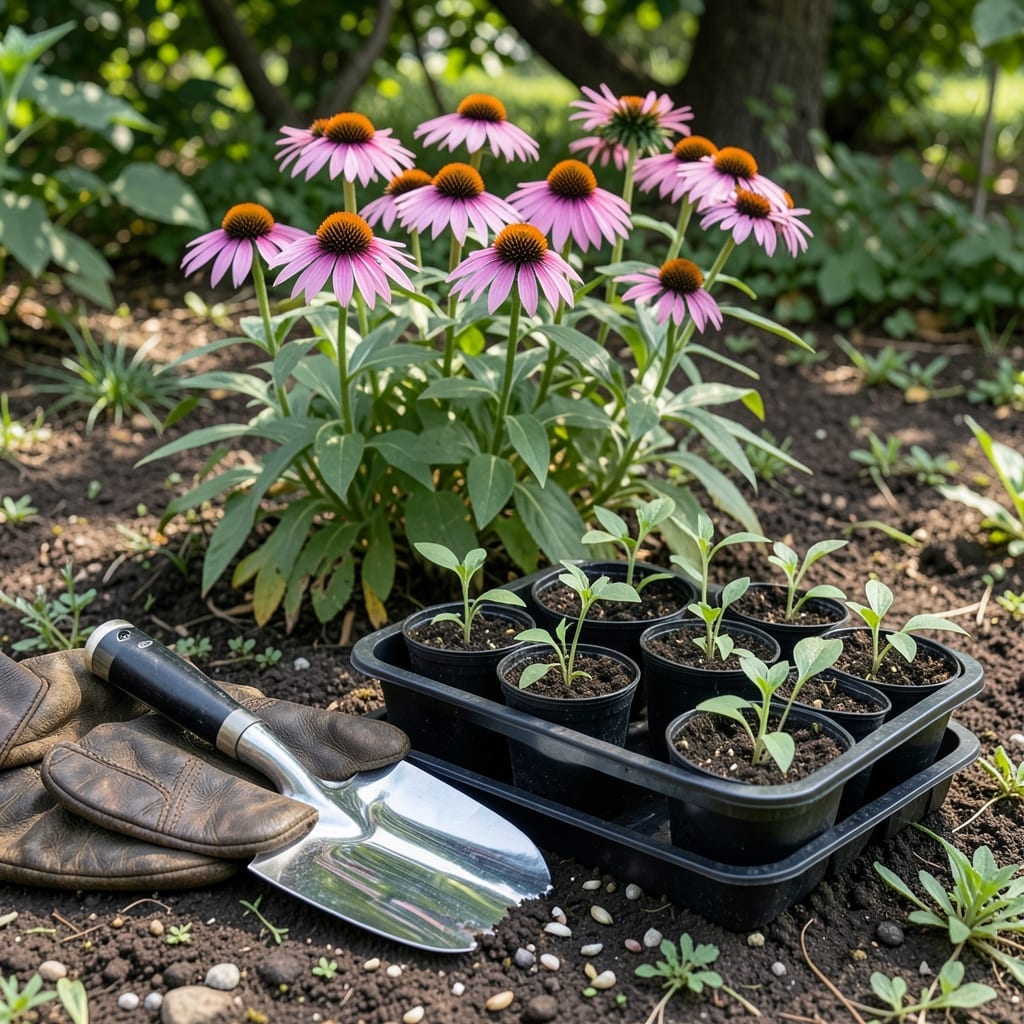
Timing is everything when you’re growing Flowers in Zone 5. One misstep with your planting schedule, and you could kiss those vibrant blooms goodbye before they even get started.
I learned this the hard way my first season – April showers brought May flowers, but only because I finally nailed the timing. The difference between a thriving garden and a disappointing one often comes down to just a few weeks.
Whether you’re planting annuals that burst with color or perennials that return year after year, knowing the sweet spot for each type is the key. And yes, there’s a best window for both spring and fall planting.
Let me walk you through the exact dates that will transform your garden from “meh” to magnificent. Your future self – and your neighbors – will thank you.
In Zone 5, your planting calendar revolves around two key dates: the last frost around April 15 and the first frost near October 15. These bookends create your growing season.
I’ve found that spring planting works best after soil warms to at least 50°F. For fall, aim to get plants in the ground 6-8 weeks before that first frost hits.
| Flower Type | Planting Window | Notes |
|---|---|---|
| Annuals | May 1-15 | After last frost, soil 60°F+ |
| Perennials | April-June | Spring/fall both work |
| Bulbs | Oct-Nov | Before ground freezes |
| Biennials | Aug-Sept | For next year blooms |
For annuals like marigolds or zinnias, I always wait until mid-May when the soil has warmed. These heat-lovers will sulk if planted too early in cold ground.
Perennials are more forgiving. I’ve had great success planting cone flowers and black-eyed Susans in both spring and early fall. The key is giving them time to establish roots.
Don’t overlook fall planting for spring bulbs. I plant my tulips and daffodils in October, about 6 weeks before the ground freezes. This gives them time to develop strong root systems.
For biennials like foxgloves, late summer planting ensures they’ll bloom the following year. I learned this trick after my first attempt failed from spring planting.
Remember that microclimates matter in Zone 5. Areas near buildings or south-facing slopes may be 1-2 weeks ahead of open, exposed spots.
I always check my soil temperature with a simple thermometer. It’s the most reliable way to know when it’s truly time to plant, especially for warm-season flowers.
This schedule has never failed me, and I’ve been using it for five years now. The secret is consistency and paying attention to your specific garden conditions. ☀️
In Zone 5, I’ve found that staggered planting keeps my garden vibrant from early spring to late fall. The key is choosing varieties that thrive in our 180 frost-free days.
Start with tulips and daffodils in early spring for that first burst of color. These bulbs are cold-hardy and often push through the last snow. 🌱
For continuous blooms, I interplant annuals like marigolds and zinnias between my perennials. These fill gaps while new plants establish. ☀️
Pro tip: Plant biennials like foxgloves in late summer for next year’s display. They’ll grow foliage this year and bloom next spring.
Don’t forget fall planting! Pansies and ornamental kale can handle light frosts, giving color when most plants fade. 🌿
Remember, mulching helps retain moisture and protect roots during our Zone 5 winters. A 2-3 inch layer works wonders for both annuals and perennials.