
Beautiful Plants For Your Interior
Beautiful Plants For Your Interior
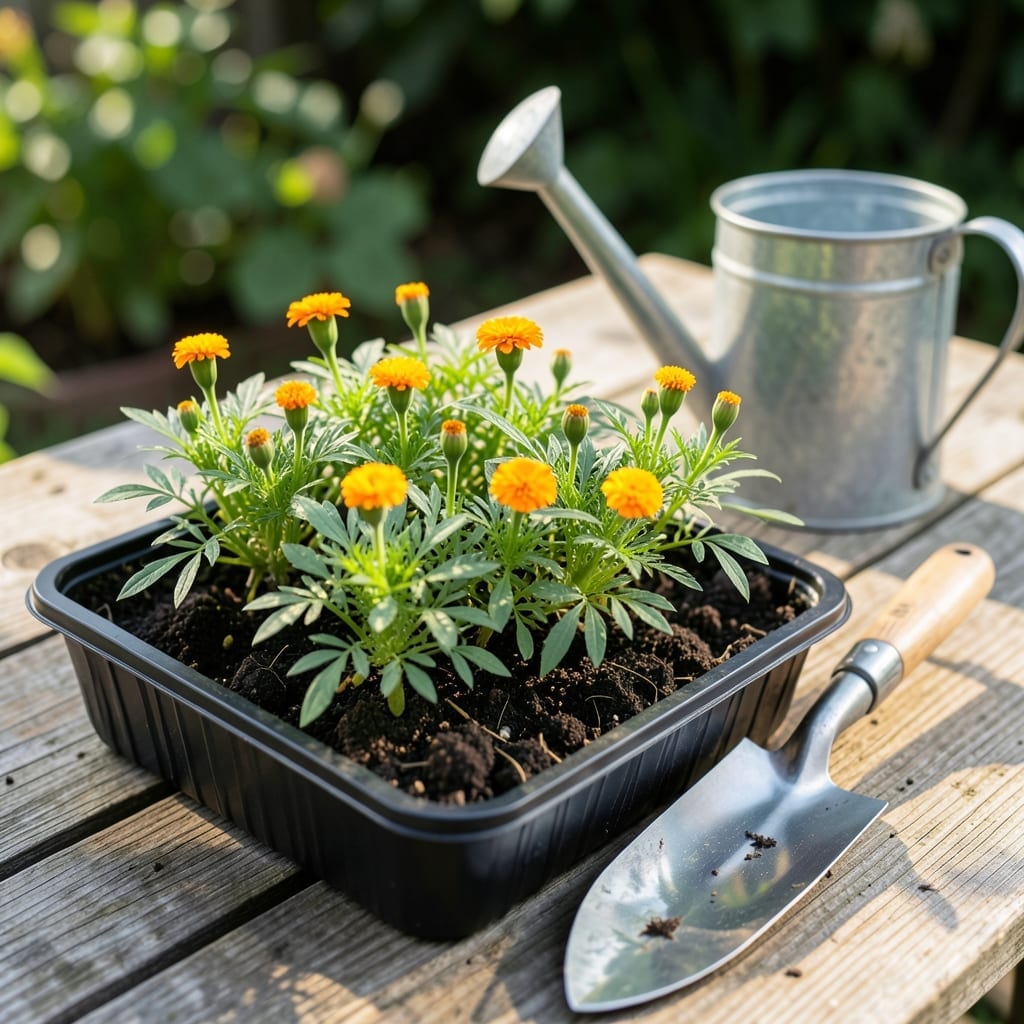
Timing is everything when planting Flowers in Vermont’s Zone 4 climate. Late frosts and short growing seasons demand precision if you want to see those blooms thrive.
I’ve learned the hard way that planting too early or too late can mean the difference between a vibrant garden and a disappointing one. Discover how to align your planting schedule with local weather patterns.
Whether you’re a seasoned gardener or just starting out, knowing when to get your 🌸 Flowers in the ground is the key to success. Vermont’s unique climate requires a strategic approach.
Let me walk you through the optimal windows for planting annuals, perennials, and bulbs so you can maximize your garden’s potential this season.
Vermont’s Zone 4 climate means we must be strategic about when we plant flowers. The last frost date is typically mid-May, but soil temperature matters just as much as air temperature for successful germination.
Early spring starters like pansies and snapdragons can handle cooler soil, but zinnias and marigolds need warmer conditions. Fall is ideal for planting tulips and daffodils so they’re ready to bloom next spring.
| Flower Type | Best Planting Time | Notes |
|---|---|---|
| Pansies | Early April | Cold-hardy, can survive light frosts |
| Snapdragons | Mid-April | Tolerates cool temps, loves sun |
| Zinnias | Late May | Wait until soil warms to 70°F |
| Marigolds | Late May | Drought-tolerant, pest-resistant |
| Tulips | September | Plant 6-8 weeks before hard frost |
| Daffodils | October | Deer-resistant, early spring bloomers |
For annual flowers, I always wait until after the last frost date to avoid losing tender plants to a sudden cold snap. Perennials can often be planted earlier, as they’re hardier and can establish roots before summer heat.
Bulbs like tulips and daffodils need a fall planting to ensure they get the necessary cold period for spring blooming. Plant them deep enough to protect from freezing, about 6-8 inches below the soil surface.
If you’re eager to start early, consider using row covers or cold frames. These tools can help extend your growing season by protecting young plants from unexpected frosts.
Soil temperature is a critical factor. A soil thermometer is a worthwhile investment to ensure you’re planting at the right time. For most annuals, 70°F is the magic number for germination.
Vermont’s short growing season means every week counts. Starting seeds indoors in March or April can give your flowers a head start before transplanting them outside after the last frost.
Don’t forget about fall planting for perennials and bulbs. This gives them time to establish roots before winter dormancy, ensuring stronger plants come spring.
By following this Vermont-specific schedule, you’ll maximize your chances of a vibrant, blooming garden that thrives despite the challenges of our climate. ☀️
Vermont’s Zone 4 climate has unique microclimates that can shift your planting schedule by weeks. I’ve seen urban gardens bloom earlier than mountain tops. These variations are key to timing your flower planting just right.
Elevation, lakes, and cities create pockets of warmth or chill. A soil thermometer helps me decide if it’s safe to plant. Row covers and cold frames extend the season for tender blooms.
I always check local weather before planting. A sudden cold snap in May can wipe out early blooms. Hardy annuals like pansies handle light frosts, but zinnias need warmth.
For perennials, fall planting works well in most areas. But in high elevations, I plant in early fall to avoid early snow. Mulching helps roots survive sudden temperature drops.
If you’re near Lake Champlain, the water moderates temperatures. I’ve successfully planted snapdragons in early May there, but wait until late May just 20 miles inland.
Finally, keep a garden journal to track your microclimate. Note when first blooms appear and frost dates. This data helps me fine-tune my schedule every year 🌷