
Beautiful Plants For Your Interior
Beautiful Plants For Your Interior
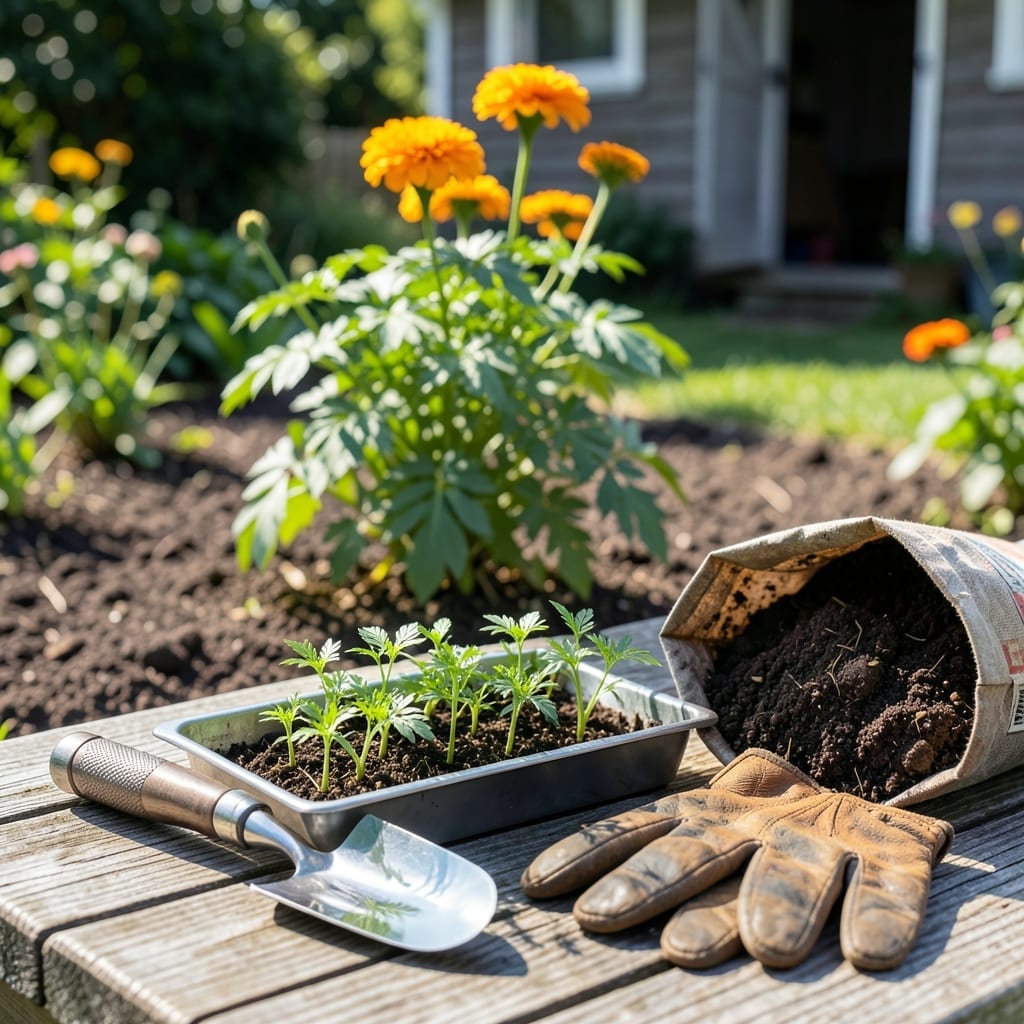
Timing is everything when planting Flowers in Pittsburgh—get it right, and you’ll enjoy vibrant blooms all season long. Get it wrong, and frost or heat waves could ruin your garden before it even starts.
As a gardener in Zone 6a, I’ve learned that knowing your local climate is the key to success. Pittsburgh’s unpredictable springs and early falls demand precision.
The planting window for most Flowers 🌸 is March through May, but that’s just the beginning. Understanding frost dates and soil temps makes all the difference.
Discover how to align your planting schedule with Pittsburgh’s unique rhythm. Your garden’s best season starts with this simple timing strategy.
Planting flowers in Pittsburgh requires careful timing due to its USDA Zone 6-7 climate. The last frost date is typically May 15, so I always wait until after this date to plant tender annuals. This ensures they won’t be damaged by late-season cold snaps.
For perennials and bulbs, I recommend planting in early spring or fall. Spring planting allows roots to establish before summer heat, while fall planting gives them a head start for the next growing season. Always check soil temperature—it should be at least 50°F for most flowers.
| Flower Type | Planting Window | Key Consideration |
|---|---|---|
| Annuals | After May 15 | Avoid frost damage |
| Perennials | March-May or Sept-Oct | Establish roots early |
| Spring Bulbs | October-November | Plant before ground freezes |
| Summer Bulbs | After May 15 | Warm soil required |
Pittsburgh’s clay-heavy soil can be challenging, so I always amend it with compost or peat moss before planting. This improves drainage and gives roots room to grow. For areas with poor drainage, consider raised beds to prevent waterlogging.
If you’re planting cool-season flowers like pansies or snapdragons, you can start as early as late March. These hardy varieties tolerate light frosts and even thrive in cooler temperatures. Just be sure to harden off seedlings before transplanting.
For heat-loving flowers like zinnias or marigolds, wait until late May or early June. These plants need warm soil and air temperatures to flourish. I’ve found that starting them indoors 6-8 weeks before the last frost gives them a strong start.
Don’t forget about fall planting! Flowers like mums and asters can be planted in early September for stunning autumn color. They’ll establish roots before winter and return even stronger next year. I always mulch around them to protect roots from freezing.
Pittsburgh’s humid summers mean you’ll need to water deeply but infrequently. Aim for 1 inch of water per week, either from rainfall or irrigation. Morning watering helps prevent fungal diseases, which can be a problem in our damp climate.
Finally, keep an eye on the 10-day forecast. Pittsburgh weather can be unpredictable, and a surprise late frost or early heatwave can throw off even the best-laid plans. I use a soil thermometer to double-check conditions before planting.
With the right timing and care, your Pittsburgh garden will burst with color from spring through fall. 🌷
In Pittsburgh’s Zone 6-7, spring planting starts after the last frost around May 15. I love starting with tulips and daffodils in early spring for vibrant colors. These bulbs thrive in the cool soil of March and April. ☀️
For fall planting, mums and pansies are my go-to choices. They handle the cooler temperatures and add late-season color. Plant them 6-8 weeks before the first frost, typically by mid-September. 🌿
| Season | Flower Variety | Planting Window |
|---|---|---|
| Spring | Tulips, Daffodils | March-April |
| Spring | Marigolds, Petunias | May-June |
| Fall | Mums, Pansies | September |
For spring bloomers, I always prep the soil with compost to boost nutrients. Daffodils need well-draining soil, while tulips prefer slightly acidic conditions. This prep ensures strong root growth before summer heat arrives. 🌱
In fall, I focus on soil moisture since Pittsburgh’s clay soil can dry out. Mulching around mums and pansies helps retain moisture and protects roots from early frosts. A 2-inch layer of mulch works wonders. ✂️
Pansies are my favorite for fall color because they’re cold-hardy and can survive light frosts. I plant them in partial shade to extend their blooming season. They’ll often rebloom in early spring too. 🌷
Remember, Pittsburgh’s clay soil can be tricky. I always test drainage before planting. If water pools, I add organic matter or use raised beds to improve conditions. This small step prevents root rot and ensures healthier plants. 💧