
Beautiful Plants For Your Interior
Beautiful Plants For Your Interior
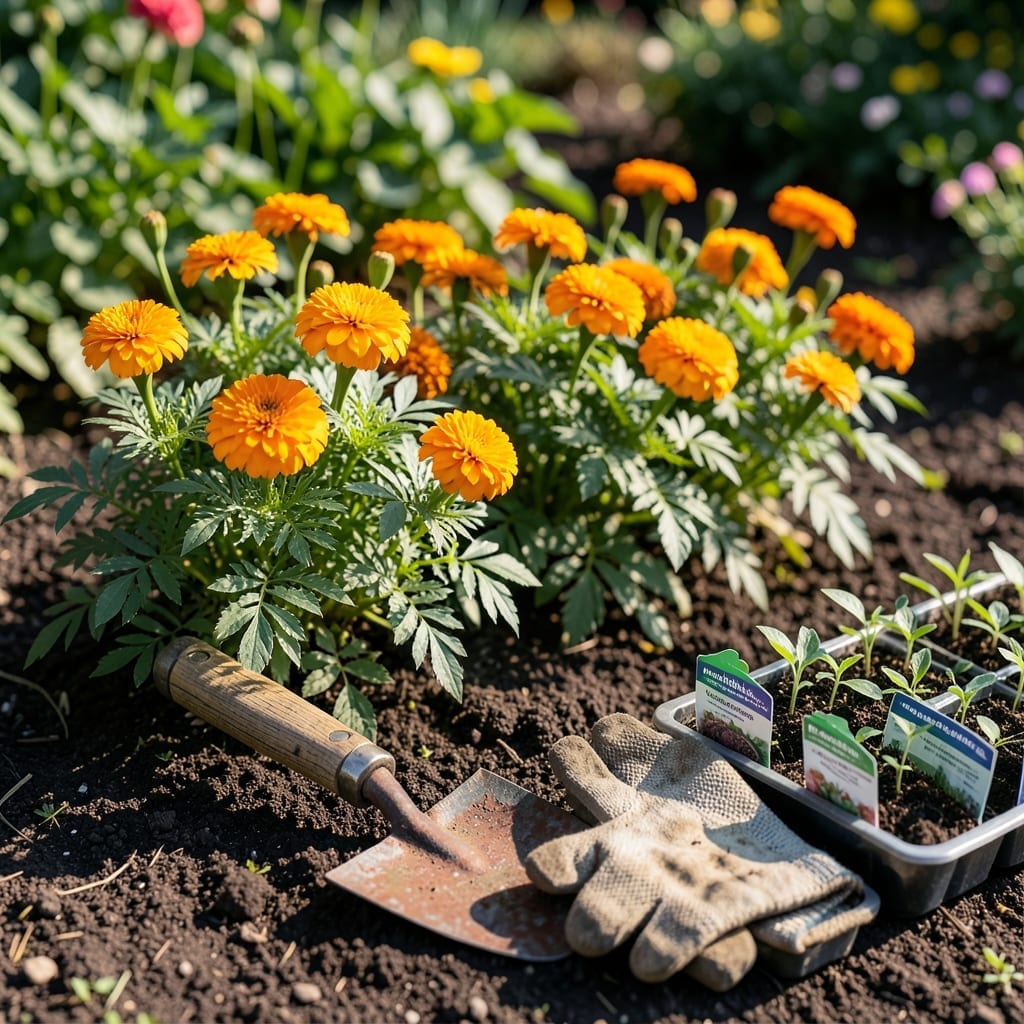
Timing is everything when planting Flowers in Pennsylvania—get it right, and you’ll enjoy vibrant blooms all season long. Get it wrong, and you risk frost damage or stunted growth.
I’ve learned that understanding your local climate zones 6a-7b makes all the difference. Whether you’re planting annuals, perennials, or bulbs, the window between March and May or August and October is prime.
The key is aligning your efforts with Pennsylvania’s frost dates. Plant too early or too late, and your garden might not reach its full potential.
Let me walk you through the best times to plant so your 🌸 Flowers thrive from the very first bloom. You’ll be amazed at how much a well-timed start can transform your garden.
Pennsylvania spans USDA zones 4-7, meaning planting windows vary significantly. In zone 6 (Philadelphia), you can start annuals in mid-April, while zone 4 (Poconos) may need to wait until May. Always check your local frost dates first.
For perennials, early spring or fall planting works best. Bulbs like tulips and daffodils should go in the ground in October before the first hard frost. This timing ensures strong root development before winter.
| Flower Type | Zone 4-5 | Zone 6-7 |
|---|---|---|
| Annuals | Late May | Mid-April |
| Perennials | May or Sept | April or Oct |
| Spring Bulbs | Oct 1-15 | Oct 15-30 |
| Fall Bulbs | Aug 15-30 | Sept 1-15 |
I always recommend starting seeds indoors 6-8 weeks before the last frost. This gives tender annuals like petunias and marigolds a head start. Use a seedling heat mat for faster germination in cooler homes.
For direct sowing, wait until soil temperatures reach at least 60°F. In Pennsylvania, this typically occurs in late April for most regions. Cool-season flowers like pansies can tolerate lighter frosts.
Fall planting offers distinct advantages. The cooler temperatures reduce transplant shock, and autumn rains help establish roots. I’ve had great success planting mums and asters in September for late-season color.
Remember that microclimates matter. Urban areas and south-facing slopes warm up faster. If you’re in Pittsburgh’s zone 6b, you might plant a week earlier than someone in zone 5b near Erie.
I always keep a garden journal to track my planting dates and first bloom times. This helps me adjust my schedule each year based on actual conditions rather than just calendar dates.
Don’t forget about soil preparation. In Pennsylvania’s clay-heavy soils, I amend beds with compost and peat moss before planting. This improves drainage and gives roots room to grow.
Finally, watch the 10-day forecast before planting. A late cold snap can set back even cold-hardy plants. I’ve learned to keep frost cloth on hand just in case. ☀️
With these zone-specific guidelines, you’ll maximize your blooming season and minimize losses to unexpected weather. 🌷
Choosing between spring planting and fall planting in Pennsylvania depends on your flower types and goals. Spring is ideal for annuals like pansies and snapdragons that love warmer soil.
Fall, on the other hand, is perfect for perennials and bulbs like tulips, giving them time to establish roots before winter. Each season offers unique advantages for different plants.
| Season | Best For | Key Benefits |
|---|---|---|
| Spring | Annuals, Snapdragons, Pansies | Warm soil, frost-free |
| Fall | Perennials, Tulips, Mums | Root establishment, cooler temps |
In spring, I focus on tender annuals that can’t survive frost. These thrive when planted after the last frost date, typically mid-April to mid-May in most of PA.
For fall planting, I prefer hardy perennials and bulbs. The cooler temperatures and fall rains help them establish strong root systems before winter dormancy.
Remember, zone 6a-7b gardens have slightly different windows. In warmer zone 7, you can plant a bit earlier in spring and later in fall.
I’ve found that succession planting works wonders. Start with cold-hardy annuals in early spring, then add heat-lovers after frost danger passes. This keeps your garden in bloom continuously.
Don’t forget that fall-planted bulbs need time to develop roots before the ground freezes. Aim to plant them 6-8 weeks before the first hard frost.