
Beautiful Plants For Your Interior
Beautiful Plants For Your Interior
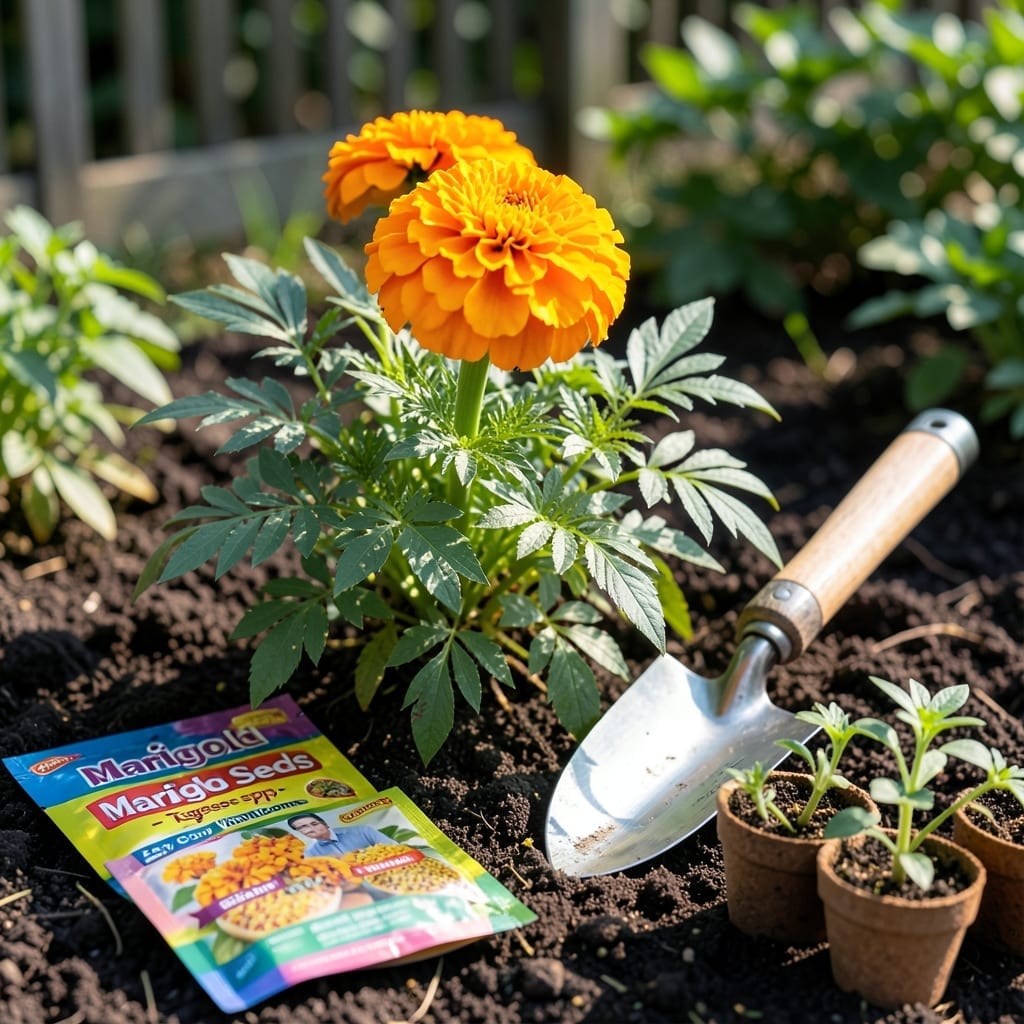
Timing is everything when planting Flowers in New York’s unpredictable climate. Whether you’re in the bustling city or the quieter suburbs, knowing the right season can mean the difference between lackluster blooms and a stunning garden.
I’ve seen too many gardeners jump the gun in early spring, only to watch their efforts wither in a late frost. The key is patience and understanding NY’s unique zones, 5b-7a.
From the first thaw to the last warm day, each season offers opportunities. But when exactly should you get your 🌸 Flowers in the ground?
Discover the ideal windows for planting, tailored to NY’s climate, and set your garden up for vibrant, long-lasting success.
New York’s diverse hardiness zones (4-7) mean planting times vary. In Zone 4 (Northern NY), wait until late May after the last frost. For Zone 7 (Long Island), early April planting is often safe.
I always check the last frost date for my area. In Zone 5b (Syracuse), it’s around May 15, while Zone 7a (NYC) can plant as early as April 15. This timing ensures tender plants aren’t damaged by unexpected cold snaps.
| Zone | Last Frost | Annuals | Perennials | Bulbs |
|---|---|---|---|---|
| 4 (Plattsburgh) | May 20 | Late May | June | Oct |
| 5b (Syracuse) | May 15 | Mid-May | May-June | Oct |
| 7a (NYC) | Apr 15 | Early Apr | Apr-May | Nov |
For spring bulbs like tulips and daffodils, I plant in fall (October-November) before the ground freezes. This gives roots time to establish before winter. In Zone 7, I can plant bulbs as late as early December.
Summer annuals like petunias and marigolds thrive when planted after the last frost. In Zone 6 (Albany), that’s typically mid-May. I’ve found they establish faster when soil temps reach 60°F.
Perennials are more forgiving. I plant daylilies and cone flowers in either spring or early fall. Fall planting gives roots a head start for next year’s blooms.
Don’t forget soil prep! I always amend my beds with compost before planting. In NY’s clay-heavy soils, this improves drainage and gives roots room to grow.
For fall planting, I aim to finish 6 weeks before the first frost. This gives plants time to establish before winter. In Zone 5, that means wrapping up by early October.
I’ve learned that microclimates matter too. Urban areas like NYC are often 5-10°F warmer than surrounding suburbs, allowing for earlier planting. Conversely, hilly areas may have later frosts.
Finally, I always keep an eye on the 10-day forecast when planting. Even after the average last frost date, late cold snaps can happen in NY. A simple frost cloth can save tender plants from unexpected chill.
By following these zone-specific guidelines and watching the weather, I’ve had great success with vibrant blooms from early spring through fall in my NY garden.
New York’s spring and fall seasons offer unique opportunities for flower planting. I always look forward to these cooler months because they’re perfect for establishing cold-hardy varieties that thrive in our climate. 🌷
In early spring, I plant pansies and snapdragons as soon as the soil is workable. These beauties can handle a light frost and give my garden an early pop of color. For late fall, I switch to mums and asterns for vibrant autumn displays.
For spring planting, I always wait until after the last frost date—typically April 15 to May 15 depending on your zone. This ensures my tender annuals like petunias and marigolds won’t get nipped by a late cold snap. 🌱
In fall, I focus on perennials and spring-blooming bulbs. Planting tulip bulbs in October gives them time to establish roots before winter. I also add ornamental kale for color that lasts until hard frost.
Don’t forget native NY wildflowers like black-eyed Susans and coneflowers. These hardy plants are low-maintenance and support local pollinators. I plant them in early spring or fall for best results. 🌿
Remember, soil temperature matters as much as air temperature. I use a soil thermometer to check that it’s consistently above 50°F before planting most annuals. This small step makes a big difference in my garden’s success.