
Beautiful Plants For Your Interior
Beautiful Plants For Your Interior
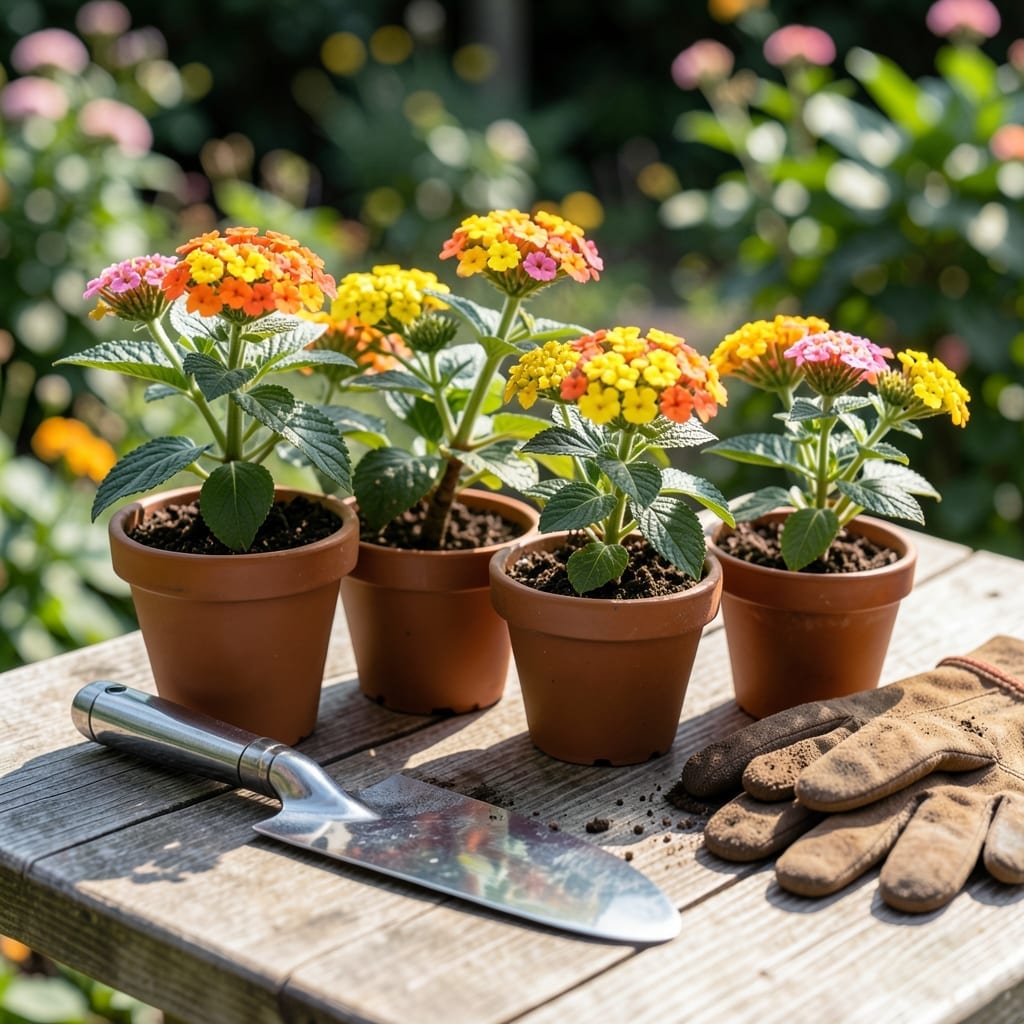
Timing is everything when planting Flowers in North Texas, where the unique climate demands precise scheduling to thrive. This guide helps you navigate the region’s heat, humidity, and frost dates for a vibrant garden.
I’ve seen too many gardeners struggle with wilting blooms or stunted growth simply because they planted at the wrong time. In zone 8a, getting the timing right can mean the difference between a lackluster display and a stunning floral show.
Whether you’re a seasoned green thumb or just starting out, knowing when to plant is the key to success. The good news? It’s simpler than you think once you understand the local patterns.
Discover the optimal windows for planting Flowers, and learn how to work with North Texas’s climate instead of against it. Let’s get your garden blooming beautifully.
In North Texas, timing your flower planting is crucial due to the region’s unique climate and USDA zone 8a. The last frost typically hits around March 15, while the first frost arrives by November 15, giving you a long growing season.
For annual flowers, the best windows are March to May for spring and September to October for fall. Perennials thrive when planted in early spring or early fall to establish roots before extreme heat or cold.
🌸 North Texas Flower Planting Guide
| Flower Type | Best Planting Time | Key Notes |
|---|---|---|
| Annuals | March-May, Sept-Oct | Avoid summer heat stress |
| Perennials | Early Spring, Early Fall | Root establishment critical |
| Bulbs | Oct-Nov | Plant before first frost |
| Heat-Tolerant | April-May | Lantana, Zinnia, Portulaca |
I always recommend starting heat-tolerant varieties like Lantana or Zinnia in April to avoid late frost damage. These plants handle the Texas summer heat better than most.
For cool-season flowers like Pansies or Violas, September planting gives them time to establish before winter. They’ll often bloom through mild North Texas winters.
Soil prep is just as important as timing. Our clay-heavy soil benefits from organic matter like compost. I mix in 2-3 inches before planting to improve drainage.
Remember that watering needs change with the seasons. New plantings need consistent moisture for the first few weeks. I use a drip irrigation system to keep roots happy without wasting water.
Mulching helps regulate soil temperature and retain moisture. I apply a 2-inch layer of organic mulch after planting, keeping it a few inches away from plant stems to prevent rot.
The 240 frost-free days in North Texas give you plenty of time for multiple planting windows. I often do succession planting of annuals every 2-3 weeks for continuous blooms.
For the best results, always check the specific needs of each flower variety. Some may prefer slightly different timing, but this general schedule works for most North Texas gardens 🌿
In North Texas, I’ve found that seasonal timing is crucial for flower success. Spring and fall are your best windows, avoiding the brutal summer heat and unpredictable winter freezes typical of zone 8a. 🌱
Early spring, like March through April, is ideal for planting cool-season annuals such as pansies and snapdragons, while late spring transitions to heat-tolerant varieties like zinnias and marigolds. 🌿
🌸 Key Takeaway: Plant cool-season flowers in early spring, heat-lovers in late spring, and fall bloomers in September for North Texas success.
Summer planting is tricky—stick to drought-resistant perennials like lantana or blackfoot daisy, and always water deeply at dawn to combat the intense heat and clay soil challenges. ☀️
Fall is your second prime window. I recommend planting pansies and violas in September for winter color, or mums and asters for late-season blooms. These thrive in the cooling temps.
Winter is mostly for planning and soil prep. Test your soil pH and amend with compost. This ensures your beds are ready when planting season returns in spring.
Remember, North Texas can surprise you with late frosts or early heatwaves. Always check the 10-day forecast before planting, and protect tender blooms with row covers if needed. 🌻