
Beautiful Plants For Your Interior
Beautiful Plants For Your Interior
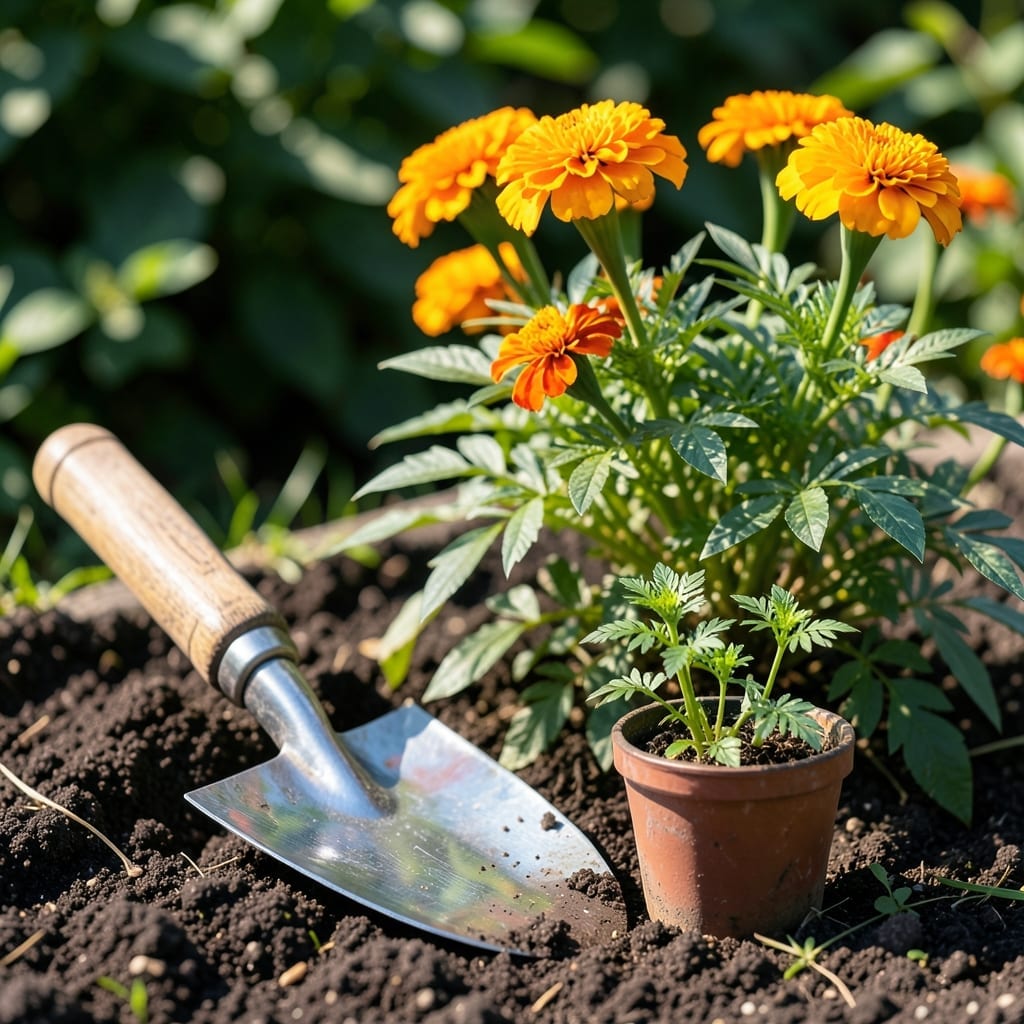
Timing is everything when planting Flowers in North Carolina—get it right and you’ll enjoy vibrant blooms all season long. With its diverse climate zones, knowing the perfect window for each variety ensures your garden thrives.
I’ve spent years testing different planting schedules across the state. The difference between March and May plantings can mean the difference between lackluster growth and a stunning display.
Whether you’re in the mountains or along the coast, understanding your local conditions is the key. North Carolina’s 7a-8a zones offer unique opportunities for both early and late season planting.
Let me walk you through exactly when to get those Flowers in the ground for maximum impact. Your garden will thank you.
North Carolina spans USDA zones 6-8, creating diverse planting windows. In zone 6 (mountains), April is ideal for cold-hardy annuals like pansies and snapdragons. The state’s varied climate demands attention to local conditions. 🌱
The Piedmont region (zone 7) allows earlier planting. Here, March works for lobelia and dianthus. Coastal areas in zone 8 can start even sooner, with February plantings possible for some varieties. 🌿
| Zone | Planting Window | Recommended Flowers |
|---|---|---|
| 6 (Mountains) | April-May | Pansies, Snapdragons |
| 7 (Piedmont) | March-April | Lobelia, Dianthus |
| 8 (Coastal) | February-March | Petunias, Marigolds |
For perennials, timing differs. Daylilies and coneflowers thrive when planted in early spring or fall. This gives roots time to establish before extreme temperatures. Always check your local frost dates for precision. 🌻
In zone 6, the last frost typically occurs around April 15. Wait until after this date for tender annuals like impatiens and coleus. These varieties can’t handle even light frosts. ☀️
Fall planting offers a second chance. In zone 8, you can plant mums and asters as late as October. These cool-season flowers provide beautiful autumn color and often reappear the following year. 🌷
Soil temperature matters too. Most flowers need soil at least 60°F to germinate properly. Use a soil thermometer to check conditions before planting. This is especially important for warm-season annuals like zinnias and cosmos. ✂️
Remember that microclimates exist within zones. Urban areas, south-facing slopes, and locations near buildings may be slightly warmer. I’ve found that raised beds warm up faster in spring, allowing for earlier planting. 💧
For bulbs like tulips and daffodils, fall planting is essential. In North Carolina, October to November is ideal. These need a period of cold dormancy to produce spring blooms. The coastal region can plant bulbs a bit later than the mountains. 🌱
Always consider your specific location within North Carolina. The difference between Asheville and Wilmington can be several weeks in planting time. Local nurseries are excellent resources for zone-specific advice. 🌿
North Carolina’s three distinct seasons for flower planting each offer unique opportunities. I always start with cold-hardy annuals in early spring, then transition to warm-season bloomers as temperatures rise. 🌱
For spring planting, March to April is prime time. This is when I plant pansies, violas, and sweet peas in most regions. These can tolerate light frosts and give early color. 🌿
Summer planting kicks off in May after the last frost. This is when I add zinnias, marigolds, and cosmos to my garden. These heat-lovers thrive in North Carolina’s warm summers. ☀️
Don’t overlook fall planting opportunities. In September to October, I plant mums, asters, and ornamental kale. These provide beautiful color as temperatures cool. 🌷
For perennial flowers, I recommend planting in early spring or early fall. This gives plants time to establish strong root systems before summer heat or winter cold. 🌻
In coastal areas, I can often plant a bit earlier in spring and later in fall due to milder temperatures. However, I always watch the weather forecast for unexpected cold snaps or heatwaves. 💧