
Beautiful Plants For Your Interior
Beautiful Plants For Your Interior
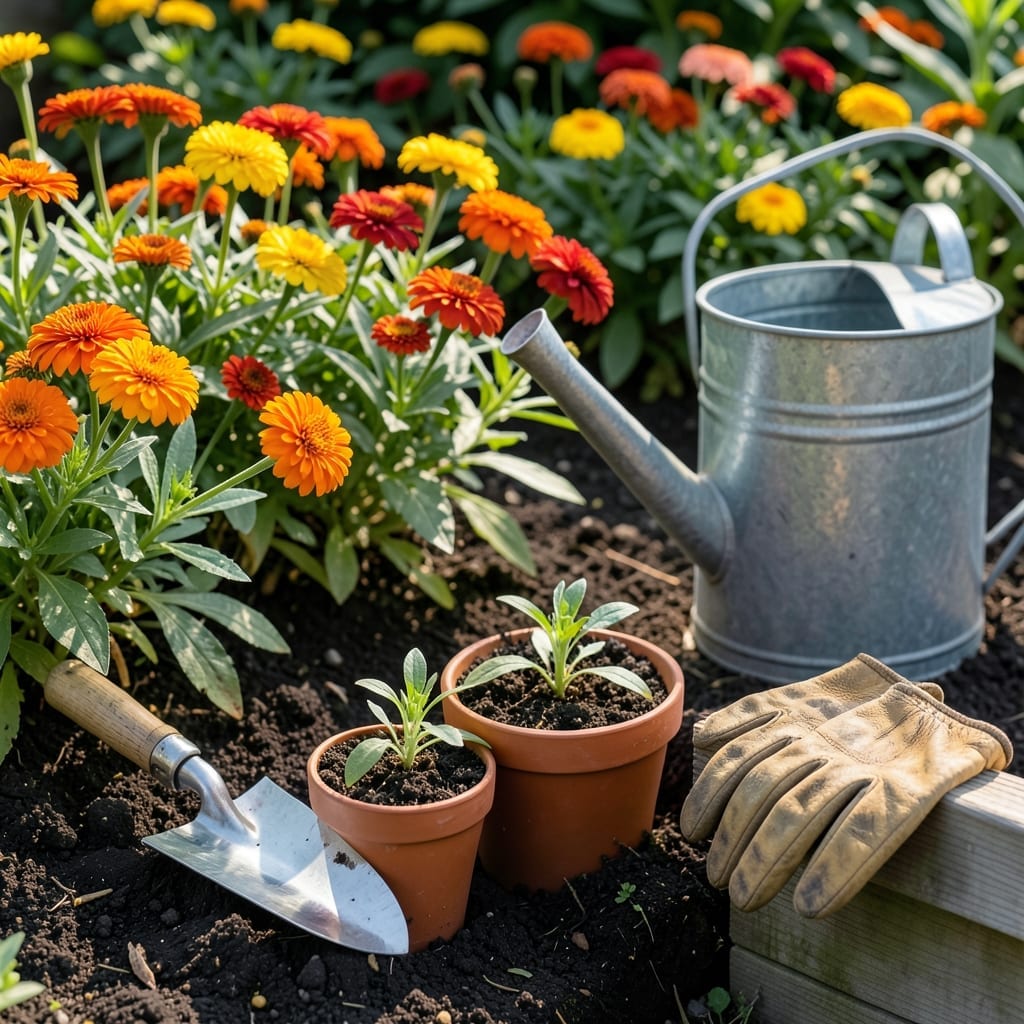
Timing is everything when planting Flowers in New Jersey, where the state’s diverse hardiness zones can make or break your garden’s success. Get it right, and you’ll enjoy vibrant blooms all season long.
In zones 6a-7b, spring planting windows typically open up in April. Missing this window could mean stunted growth or missed blooms entirely.
I’ve seen too many gardeners struggle because they planted too early or too late. The good news? With the right schedule, you can avoid these common pitfalls.
Let me walk you through the most important timing considerations for planting Flowers in NJ, so you can maximize your garden’s potential this growing season.
New Jersey spans USDA zones 6a-7b, creating varied planting windows. In zone 6a, spring planting begins in mid-April, while zone 7b allows earlier starts by late March. These differences are crucial for timing.
The last frost date in northern NJ is around April 15, but southern areas often see it by April 1. I always recommend waiting until soil temps reach 50°F for most annuals.
For annual flowers like marigolds and zinnias, plant after the last frost. These warm-season lovers need soil at 60°F to thrive. I’ve found they perform best when started indoors 6-8 weeks before transplanting.
Perennial flowers such as cone flowers and black-eyed Susans can go in the ground in early spring or fall. The key is giving them 4-6 weeks before the first frost to establish roots.
In fall planting, timing is even more critical. Plant bulbs like tulips and daffodils in October when soil temps drop below 60°F. This ensures proper root development before winter.
I always check the 10-day forecast before planting. A surprise late frost can wipe out tender annuals. For cool-season flowers like pansies, you can plant as early as late February in protected areas.
Soil preparation is just as important as timing. I recommend testing your soil’s pH level—most flowers prefer 6.0-7.0. Amend with compost for better drainage and nutrient content.
Remember, microclimates matter in NJ. Urban areas and south-facing slopes warm up faster. I’ve seen gardens in Newark plant weeks earlier than those in Sussex County due to these variations.
For best results, water deeply after planting and add 2-3 inches of mulch. This helps maintain consistent soil moisture and temperature as your flowers establish.
By following these zone-specific schedules, you’ll maximize your blooming season. I’ve seen gardens flourish by simply adjusting planting times by just 2-3 weeks based on their exact location.
New Jersey’s diverse climate allows for a wide variety of flower types. From early spring bulbs to summer annuals, timing varies significantly by species and zone.
I’ve found that tulips and daffodils thrive when planted in fall (October), while marigolds and zinnias prefer late spring (May) after frost danger passes.
| Flower Type | Best Planting Month | Sun Needs | Spacing |
|---|---|---|---|
| Tulips | October | Full sun | 4-6 inches |
| Marigolds | May | Full sun | 8-10 inches |
| Coneflowers | April-May | Full to partial | 12-18 inches |
| Impatiens | May | Partial shade | 8-12 inches |
Perennial flowers like black-eyed Susans and daylilies do best when planted in early spring or early fall. This gives them time to establish roots.
For annual flowers, I recommend waiting until soil temperatures reach at least 60°F, which typically happens in mid-May for most of NJ.
Bulb planting requires special attention. Daffodils and crocuses need 6-8 weeks of chilling, so October planting is ideal before the ground freezes.