
Beautiful Plants For Your Interior
Beautiful Plants For Your Interior
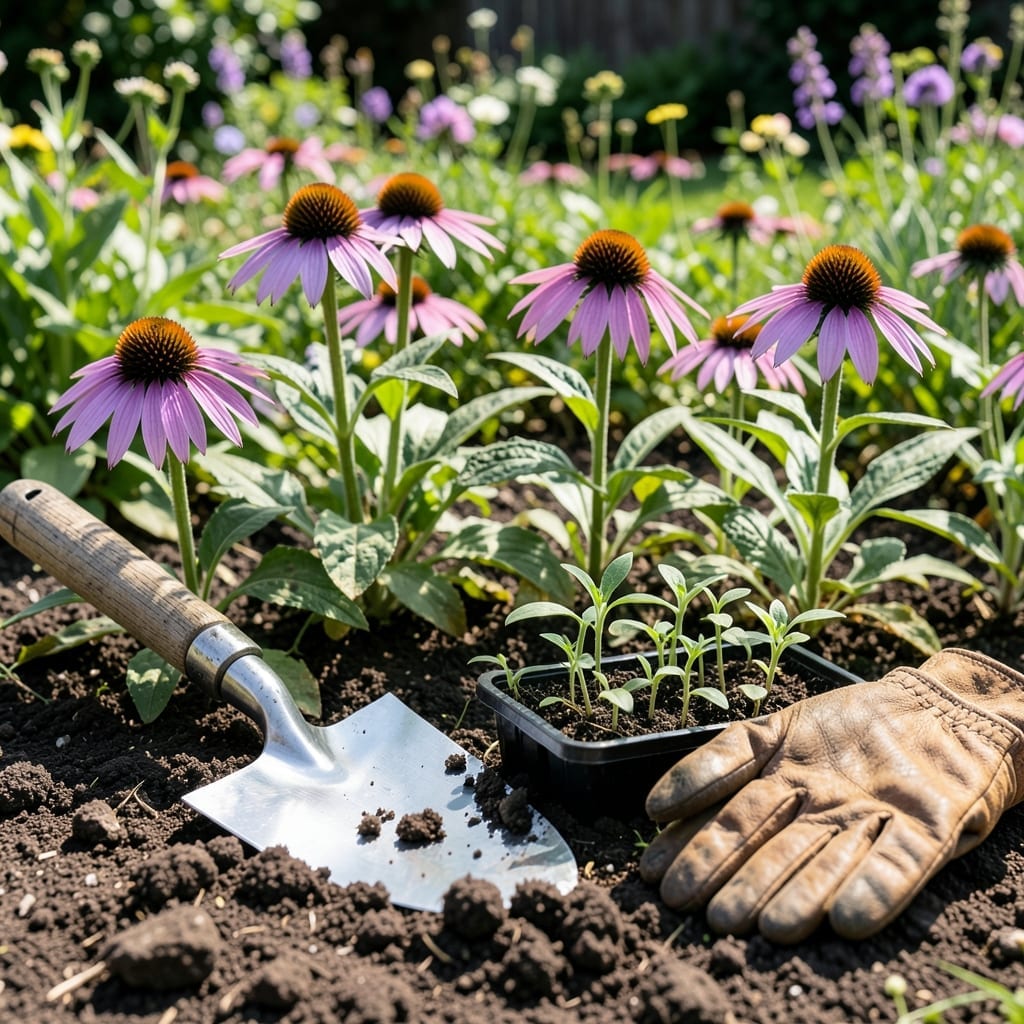
Timing is everything when planting Flowers in New Hampshire. From the coast to the mountains, our growing season can be as unpredictable as the weather. Get it right, and you’ll be rewarded with vibrant blooms all season long.
I’ve seen too many gardeners jump the gun only to watch their efforts wither in a late frost. In 5b, patience truly is a virtue when it comes to planting.
Whether you’re a seasoned gardener or just starting out, knowing the ideal window is the key to success. And in NH, that window is often narrower than you think.
Let me walk you through the best timing to ensure your 🌸 thrive from the very first planting. The results will speak for themselves.
New Hampshire spans USDA zones 3-6, creating varied planting windows. The last frost date ranges from April 15 in zone 6 to June 1 in zone 3, making timing crucial for flower success.☀️
Your local frost dates determine when to plant. In zone 5b, which covers most of NH, the last frost is typically May 15. This date is your green light for tender annuals.🌱
| Zone | Last Frost | First Frost | Planting Window |
|---|---|---|---|
| 3 | June 1 | August 15 | June-August |
| 4 | May 15 | September 15 | May-September |
| 5a | May 10 | October 10 | May-October |
| 5b | May 1 | October 15 | April-October |
| 6 | April 15 | October 30 | April-November |
For perennials, I plant 2-3 weeks before the last frost. Hardy annuals like pansies can go in 4-6 weeks earlier. Always check your specific zone.🌿
Soil temperature matters as much as air temperature. Most flowers need 60°F soil to thrive. Use a soil thermometer to be sure before planting.✂️
In coastal NH (zone 6), I start tender annuals like impatiens after April 15. In the White Mountains (zone 3), I wait until June 1 for the same plants.
Frost-tolerant flowers like snapdragons and calendula can handle light frosts. I plant these 2 weeks before the last frost date in my area.
For fall planting, count backward from your first frost date. Tulip bulbs need 6-8 weeks in the ground before frost, so I plant them in late September in zone 5b.
Remember that microclimates can shift dates by 1-2 weeks. South-facing slopes warm up faster, while low-lying areas stay cooler longer.
I always keep a garden journal to track my planting dates and first bloom times. This helps me refine my schedule each year for the best results in my specific NH location.🌻
In New Hampshire, timing your flower planting with the seasons is crucial for success. Early spring allows for cold-hardy annuals like pansies and snapdragons that thrive in cooler temps.
As temperatures rise, summer varieties such as marigolds, zinnias, and petunias take center stage. These heat-lovers need warm soil to flourish in our 5b zone. 🌻
For fall planting, focus on spring-blooming bulbs like tulips and daffodils. These need to be in the ground 6 weeks before the first hard frost to establish roots.
I always recommend checking your local frost dates as they can vary by a week or two depending on your exact location in NH. The White Mountains, for example, tend to have a shorter season than the coast.
Don’t forget about perennials like coneflowers and black-eyed Susans. These can be planted in either spring or fall, giving you flexibility in your garden planning. 🌿
Remember that soil temperature is just as important as air temperature. Use a soil thermometer to ensure conditions are right before planting those heat-loving summer annuals.
With this seasonal approach, you’ll have continuous blooms from early spring through fall, making your New Hampshire garden the envy of the neighborhood. ✂️