
Beautiful Plants For Your Interior
Beautiful Plants For Your Interior
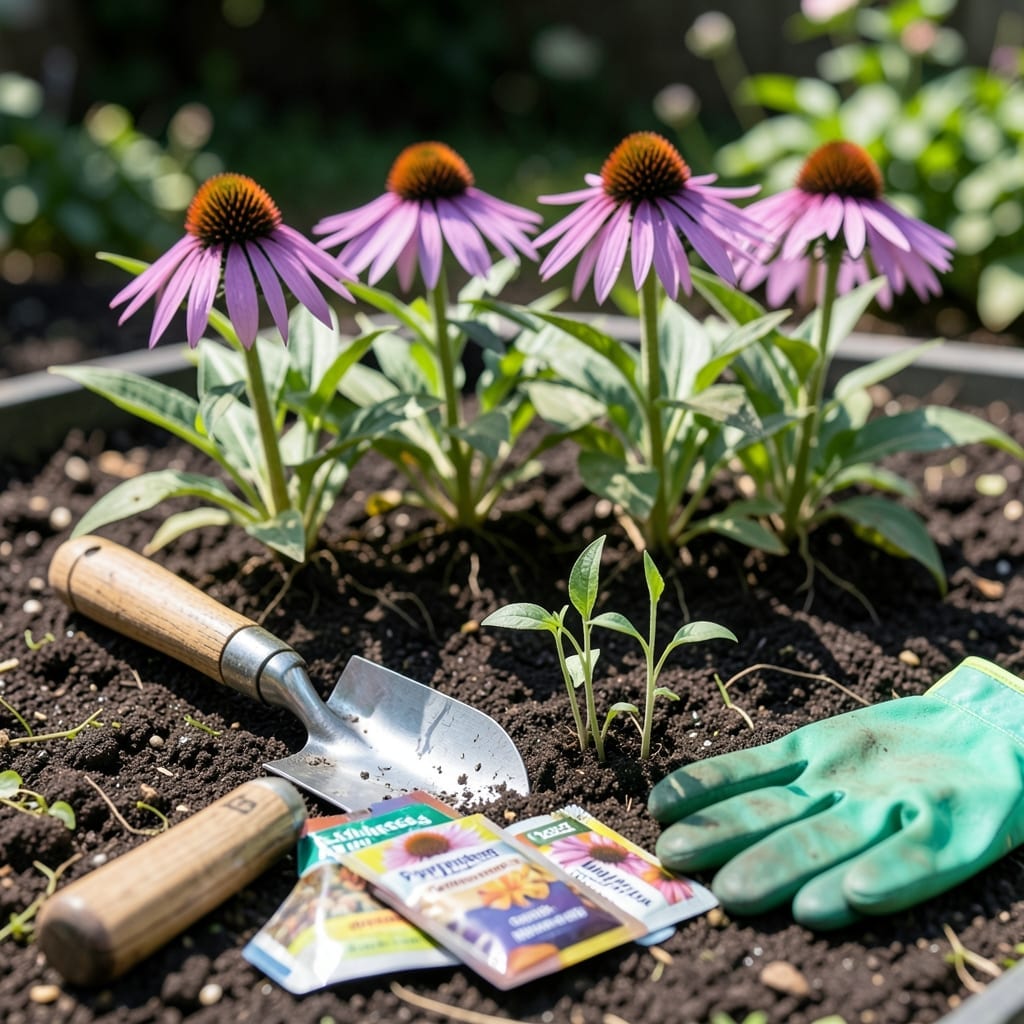
Timing is everything when planting Flowers in New England’s unpredictable climate. One day it’s sunny and 70°F, the next you’re digging out your winter coat again.
I’ve learned the hard way that jumping the gun on planting can spell disaster for your garden. The key is working with our short growing season, not against it.
Whether you’re planting annuals that burst with color all summer or perennials that return year after year, nailing the timing makes all the difference. New England’s zones 5b-7a have their own rhythm you need to understand.
Discover the perfect seasonal schedule to ensure your 🌸 Flowers thrive from the first sprout to the last bloom. Let’s get your garden growing right.
New England’s zones 5-6 demand precise timing for flower planting. Our short growing season means every week counts, especially with that last frost date lurking around April 15-May 15 in most areas.
I always check the soil temperature before planting—60°F is the magic number for most annuals. Perennials and bulbs can often go in earlier, as they’re more cold-tolerant.
| Season | Flower Type | When to Plant | Key Notes |
|---|---|---|---|
| Early Spring | Perennials | March-April | As soon as ground thaws |
| Spring | Annuels | After last frost | Mid-May safest for tender plants |
| Spring | Bulbs | April-May | Summer bloomers like dahlias |
| Fall | Spring Bulbs | Sept-Oct | 6 weeks before ground freezes |
| Fall | Perennials | Sept-Oct | Allows root establishment |
For spring planting, I start hardy annuals like pansies and snapdragons in early April. These can handle a light frost and give your garden an early pop of color.
The real game-changer is knowing your microclimate. Coastal areas might plant 2 weeks earlier than inland spots. I’ve found that raised beds warm up faster in spring, letting me plant a bit sooner.
Summer planting is trickier. I focus on heat-tolerant varieties like zinnias and marigolds, planting them in late May when the soil is reliably warm. Always water deeply after planting to help them establish.
Don’t overlook fall planting—it’s perfect for spring-blooming bulbs like tulips and daffodils. I aim to get them in the ground by mid-October before the first hard frost hits.
For perennials, early fall planting gives roots time to establish before winter. I’ve had great success with cone flowers and black-eyed Susans planted in September.
Remember that soil preparation is just as important as timing. I always amend my beds with compost before planting, and make sure the soil drains well to prevent root rot.
The key is to observe your local conditions. Keep a garden journal to track your planting dates and how different flowers perform. This will help you refine your schedule year after year.
With this approach, you’ll maximize your blooming season and enjoy a garden that thrives despite New England’s mood swings 🌻
New England’s zones 5-6 offer unique opportunities for flower gardening. I’ve found that timing is everything, especially with our finicky weather patterns that can shift from frost to sunshine in a week.
For the best results, focus on hardy perennials like peonies and black-eyed Susans. These beauties can handle our cold winters and come back stronger each year.
For annuals like marigolds and zinnias, wait until after the last frost date, typically mid-May. These heat-lovers need warm soil to thrive and will reward you with colorful blooms all summer.
Don’t overlook native wildflowers like butterfly weed. These low-maintenance plants are perfect for New England’s climate and support local pollinators like bees and butterflies.
With the right timing and plant selection, your New England garden can burst with color from early spring through late fall. I always keep a gardening journal to track what works best each year 🌻