
Beautiful Plants For Your Interior
Beautiful Plants For Your Interior
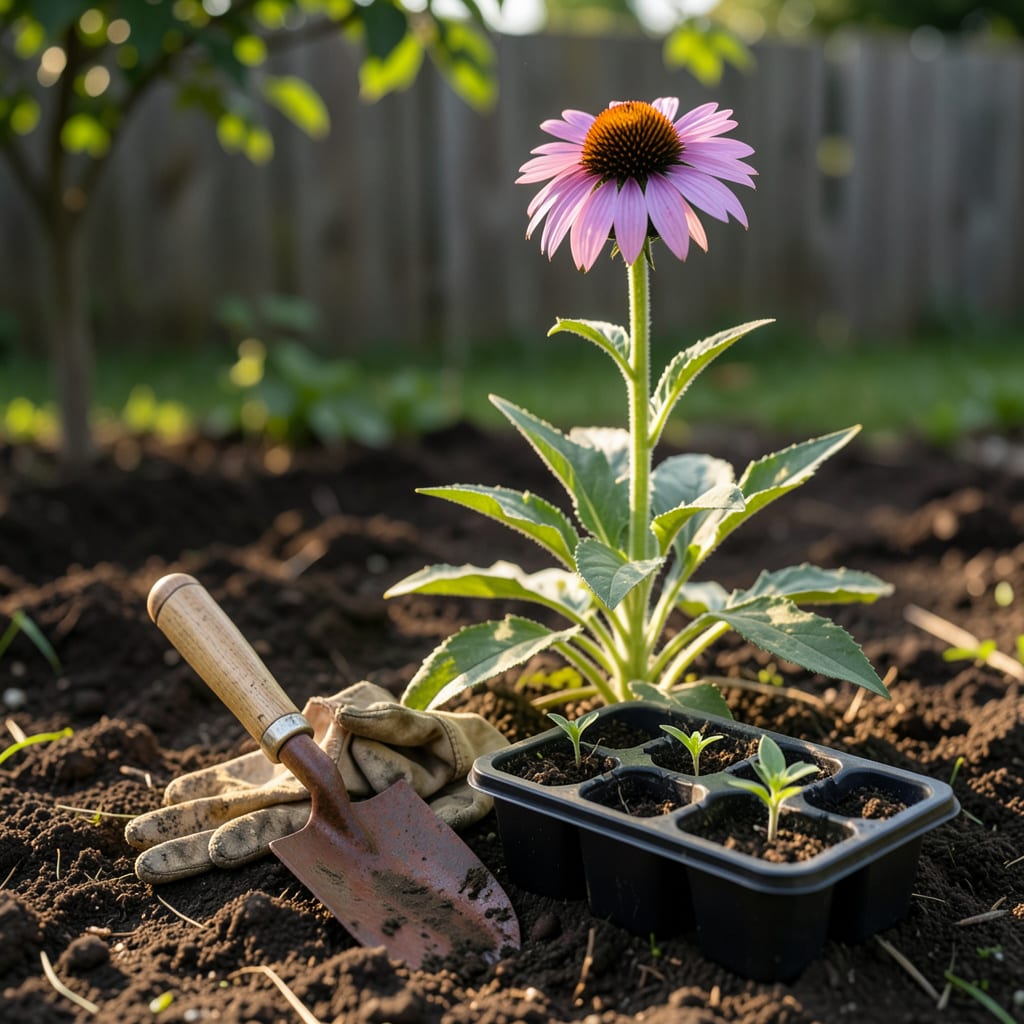
Missouri’s unpredictable springs can turn flower planting into a guessing game—unless you know the exact windows for vibrant blooms. One week it’s 60°F and sunny, the next you’re scrambling to cover tender shoots from a late frost.
I’ve spent years tracking Missouri’s microclimates—from St. Louis’s urban heat islands to the Ozarks’ cooler pockets—and the timing secrets are simpler than you think. Let’s cut through the confusion so your 🌱 Flowers thrive, not just survive, in the Show-Me State’s finicky seasons.
If you’ve ever watched your tender annuals wilt overnight after a surprise Missouri frost, you know timing isn’t just important—it’s everything. Our state’s USDA Zones 5–7 mean frost dates vary wildly, from April 10 in St. Louis to May 10 in Kansas City. I’ll break down exactly when to plant for your region.
Missouri’s 165 frost-free days (on average) give us a solid growing window, but microclimates—like urban heat islands or river valleys—can shift your planting dates by 2+ weeks. Rural gardeners often face cooler soil temps, while city plots warm faster. Let’s dig into the specifics.
| Region | Last Frost | First Frost | Safe Planting Window | Best Flowers |
|---|---|---|---|---|
| Southern MO (Zone 7) | April 1 | November 1 | March 15–Oct 15 | Dahlias, cannas, zinnias |
| Central MO (Zone 6) | April 15 | October 15 | April 1–Sept 30 | Marigolds, coneflowers, black-eyed Susans |
| Northern MO (Zone 5) | May 1 | October 1 | May 1–Sept 15 | Pansies, tulips, snapdragons |
| St. Louis (Urban Zone 6b) | April 10 | October 20 | March 25–Oct 10 | Petunias, geraniums, salvia |
Pro Tip: Use a soil thermometer—plant when temps hit 50°F+ for annuals, 60°F+ for tropicals.
For spring-blooming bulbs like tulips and daffodils, I plant in October–November, once soil cools to 55°F. This gives roots time to establish before winter. Fall mums go in by early September to avoid frost shock.
Missouri’s clay-heavy soil drains poorly, so I amend beds with compost and perlite before planting. For summer annuals like zinnias or marigolds, wait until nighttime temps stay above 50°F—usually mid-May in most regions.
If you’re in rural Missouri, watch for late frosts—I’ve seen May 10 frosts near the Iowa border! Urban gardeners can push planting 1–2 weeks earlier thanks to heat-retaining pavement. Always have frost blankets ready until Memorial Day.
For native wildflowers like purple coneflower or butterfly weed, fall planting (September–October) mimics natural seed dispersal. These tough natives handle Missouri’s humid summers and cold snaps better than hybrids.
Need a foolproof schedule? Start cool-season annuals (pansies, snapdragons) in early April (Central/South) or late April (North). Plant warm-season stars (zinnias, cosmos) after Mother’s Day—our unofficial “safe” date.
Remember: Soil temp matters more than air temp. I use a $10 meat thermometer (dedicated to gardening!) to check. At 45°F, peonies and bleeding hearts wake up. At 65°F, it’s time for tropical milkweed and cannas.
Missouri’s humidity means fungal diseases thrive. Space plants for airflow, water at soil level, and mulch with shredded leaves to prevent splashing. Your blooms will thank you with longer vase life and fewer brown spots!
Missouri’s four distinct seasons mean your flower garden can be a year-round showstopper—if you pick the right blooms for each window. I’ve tested dozens of varieties across the state, and these are the top performers for every season, from frost-hardy spring stars to heat-loving summer stunners.
Spring in Missouri is all about cool-season annuals and early perennials. Think pansies that laugh at light frosts and bleeding hearts that thrive in our moist spring soil. But timing matters: plant too early and you’ll lose them to late freezes; too late and they’ll wilt in summer’s heat.
Pro Tip: Pair native wildflowers (like purple coneflower) with non-natives for low-maintenance pollinator magnets!
For summer-long color, I swear by zinnias and cosmos—they’re drought-tolerant once established and self-seed for next year. In clay-heavy soil, add gypsum to improve drainage before planting. Marigolds are another winner: they repel pests and bloom until frost.
Missouri’s humid summers can be tough on flowers like petunias (prone to fungal issues), so I opt for milkweed and bee balm instead. These natives handle heat and humidity while supporting monarch butterflies. For containers, sweet potato vine and calibrachoa spill beautifully without wilting.
Fall planting is underrated in Missouri! Mums are the obvious choice, but don’t overlook asters and sedum ‘Autumn Joy’. Plant these by Labor Day for roots to grow before winter. I also tuck in spring-blooming bulbs (tulips, crocuses) in October—just add a layer of mulch to protect them.
For winter interest, I love red twig dogwood (stunning stems) and hellebores (blooms in February!). These break up the gray Missouri winters. If you’re in Zone 7 (Southern MO), you can even grow camellias or daphne for winter flowers—just site them near a south-facing wall for warmth.
Remember: Succession planting is key in Missouri. As my spring pansies fade in June, I replace them with summer vinca. When zinnias finish in October, I add ornamental cabbage. This keeps my garden in nonstop color—and the pollinators happy! 🌻
Even experienced Missouri gardeners can sabotage their flower beds with avoidable errors. After years of trial (and error!), I’ve pinpointed the five biggest mistakes that turn potential showstoppers into sad, leggy plants—or worse, a no-bloom summer. Let’s fix them before you dig in.
First up: ignoring soil temperature. Missouri’s air temps might hit 60°F in March, but if the soil’s still 45°F, your flowers will sulk. I’ve lost countless snapdragons by planting too early. Wait until soil reaches 50°F for annuals, 60°F for tropicals—use a $10 thermometer to check.
Quick Fix: Keep a gardening journal to track your microclimate’s quirks year to year.
Another classic blunder? Misjudging frost risks. Missouri’s last frost dates vary by 3+ weeks across the state. I once lost 200 petunia seedlings to a May 5 frost in Kirksville (Zone 5). Even in St. Louis (Zone 6b), keep frost blankets handy until May 10. Rural gardeners: add extra 7–10 days to “safe” dates.
Missouri’s clay soil is another flower killer if ignored. It compacts easily, suffocating roots and causing root rot. Before planting, I mix in 2–3 inches of compost and 1 cup of perlite per square foot. For containers, use a lightweight potting mix—never garden soil. Raised beds help too, especially in low-lying areas prone to flooding.
Overwatering is epidemic in Missouri gardens. Our humid summers mean plants need less water than you’d expect. I drowned my first lantana by watering daily—now I use the “finger test”: stick your finger 2 inches deep. If it’s moist, wait. Drip irrigation beats overhead watering to prevent fungal issues like powdery mildew.
Finally, poor spacing dooms flowers in our humid climate. Crowded plants trap moisture, inviting black spot (roses) and botrytis (peonies). I space zinnias 18 inches apart (not the 12″ on the tag) and prune aggressively for airflow. For tall flowers like delphiniums, stake early—Missouri’s summer storms will flatten them otherwise. 🌼
Use a simple soil thermometer—most flowers need 50°F+ to thrive. For tropical varieties like cannons, wait until soil hits 60°F. Missouri’s clay soil warms slower than air, so check at 8 AM for accuracy.
Yes! Urban areas like St. Louis warm 1-2 weeks faster due to heat-retaining pavement. While rural Zone 5 areas should wait until May 1, city gardeners can often plant by mid-April. Always watch local forecasts.
In most of Missouri, plant by June 15 for full summer blooms. Southern regions (Zone 7) can push to early July. These fast growers will still flower before fall if given 6+ weeks of warm weather.
Keep frost blankets or old sheets handy until Memorial Day. For unexpected cold snaps, water plants in the afternoon—moist soil retains heat. Potted flowers? Move them to a garage or against a south-facing wall.
Work in 2-3 inches of compost and 1 cup perlite per square foot to improve drainage. For containers, use a lightweight potting mix—never garden soil. This prevents root rot in our dense, moisture-holding clay.
