
Beautiful Plants For Your Interior
Beautiful Plants For Your Interior
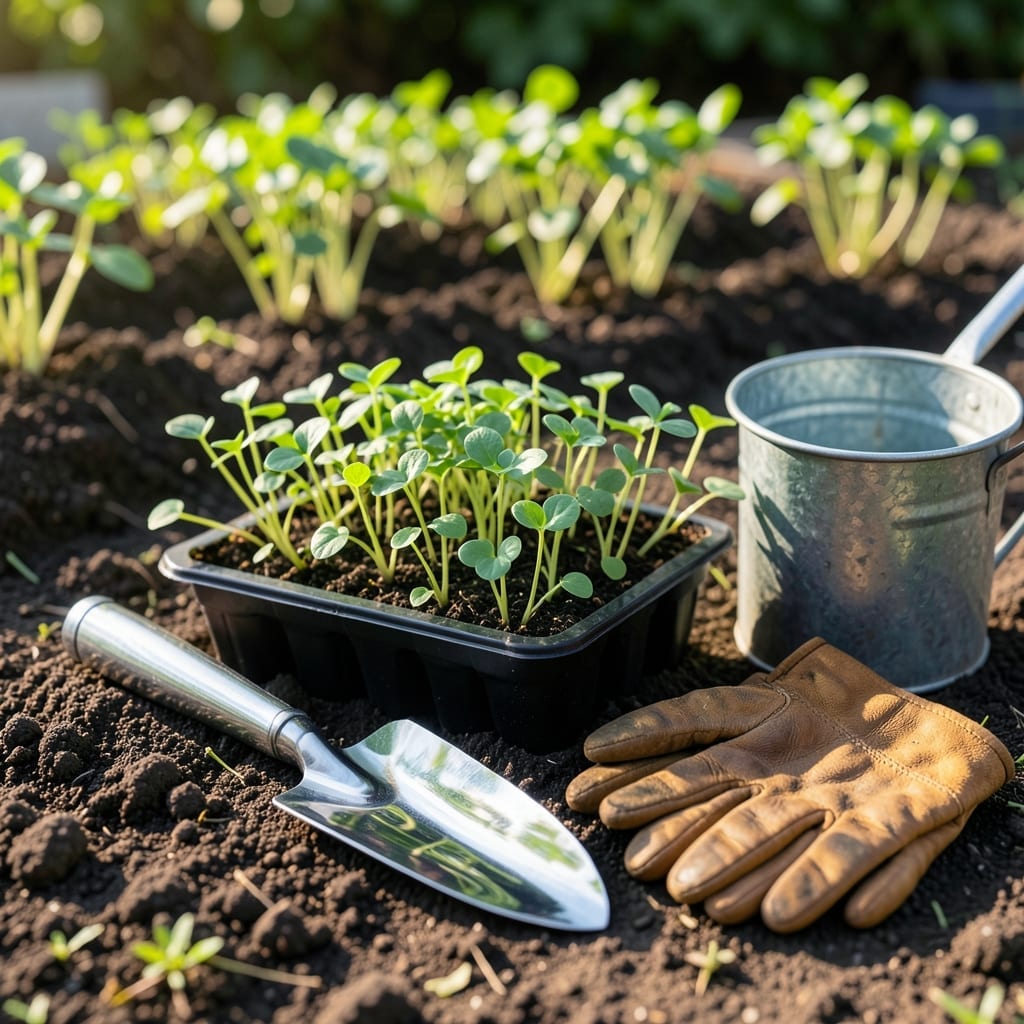
Timing is everything when planting Flowers in Idaho’s Zone 4 climate, where short growing seasons and unpredictable frosts can make or break your garden.
I’ve learned the hard way that jumping the gun by even a week can spell disaster for tender blooms. The key is working with Idaho’s unique rhythm, not against it.
Whether you’re dreaming of vibrant annuals or reliable perennials, knowing the right schedule ensures your garden thrives. Let me walk you through the seasonal windows that work best here.
With 135 frost-free days on average, every planting decision counts. I’ll share the exact timing that’s transformed my own flower beds from struggling to stunning.
In Idaho’s Zone 4, timing your flower planting can be the difference between a thriving garden and a disappointing one. Our short growing season means every week counts, especially with that May 15 last frost date looming large on the calendar.
I always start by checking the soil temperature—it needs to be at least 50°F for most annuals to take root. Perennials are a bit more forgiving, but even they prefer warmer ground to avoid transplant shock.
| Flower Type | Planting Time | Soil Temp | Frost Tolerance |
|---|---|---|---|
| Annuals | After May 15 | 50°F+ | Low |
| Perennials | April-May | 45°F+ | Medium |
| Bulbs | Fall (Sept-Oct) | 55°F+ | High |
| Biennials | Late Summer | 50°F+ | Medium |
For spring planting, I focus on cold-hardy annuals like pansies and snapdragons that can handle a light frost. These go in 4-6 weeks before that last frost date, usually around early April.
Warm-season annuals like zinnias and marigolds need to wait until after May 15. I’ve lost too many to late frosts by being impatient. The soil needs to be consistently warm, not just the air.
Perennials are my go-to for reliability. I plant these in early spring or fall. Coneflowers, black-eyed Susans, and daylilies establish well when given time before summer heat or winter cold.
Fall planting is all about bulbs for me. Tulips, daffodils, and crocuses go in September to October, before the ground freezes. They need that cold period to bloom beautifully next spring.
Don’t forget soil prep. I always amend my beds with compost before planting. It improves drainage and gives those tender roots a nutrient boost they’ll need to establish quickly.
Watering is crucial those first few weeks. I aim for 1-2 inches per week, more if we’re having one of Idaho’s dry spells. Consistency is key—too much or too little can stress new plantings.
Finally, mulching helps maintain that soil temperature and moisture. I use 2-3 inches of organic mulch around my flowers, keeping it away from stems to prevent rot. It’s a simple step that makes a huge difference in our climate. ☀️
Idaho’s Zone 4 climate demands flowers that can handle cold winters and short growing seasons. I’ve found the best approach is selecting varieties that bloom at different times to keep color in my garden from spring through fall.
For early spring color, I rely on crocuses and daffodils. These bulbs often push through snow and bloom as early as March, bringing much-needed cheer after a long winter. 🌷
Summer bloomers like coneflowers and black-eyed Susans are my favorites. They thrive in Idaho’s hot summers and attract pollinators like bees and butterflies. I plant these in full sun for best results.
For fall color, I turn to asters and goldenrod. These hardy perennials bloom late in the season, providing color when most other flowers have faded. They’re also drought-tolerant, which is perfect for Idaho’s dry autumns.
Don’t overlook winter bloomers like hellebores. These tough plants can flower even through snow, adding year-round interest to your garden. I plant them in partial shade for best performance.
To extend the season, I use row covers or cold frames for tender plants. This lets me start annuals earlier in spring and keep them going longer in fall. It’s a game-changer for Zone 4 gardening. 🌿